• Home
  • Nutrition
  • Home Workouts
  • Weight Loss
  • Fitness Tips
  • Strength Training
0
Logo
Logo
0
Logo
Uncategorized

How to Recover Faster After a Workout (15 Science-Backed Strategies)

Jake
No Comments
April 22, 2026
10 Mins read
4 Views

How to Recover Faster After a Workout (15 Science-Backed Strategies)

By [REPLACE-AUTHOR-NAME]  |  Certified Personal Trainer  |  Last updated: April 22, 2025  |  11 min read

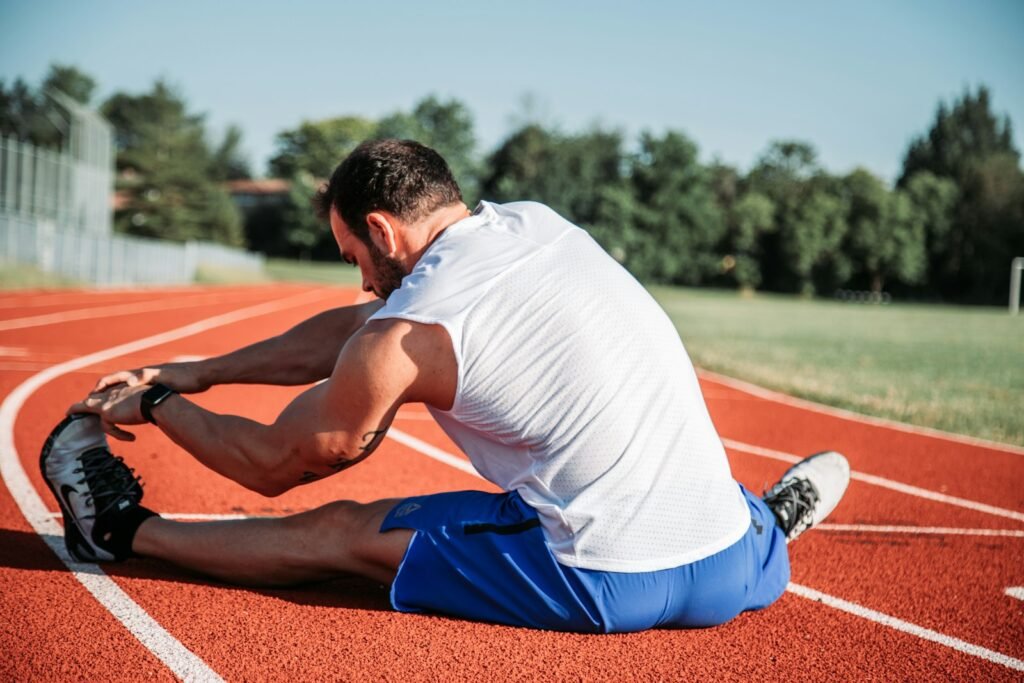
Athlete stretching and recovering after an intense workout session

Save these post-workout recovery tips to Pinterest. Your muscles will thank you by tomorrow!

Knowing how to recover faster after a workout is just as important as the training itself. The workout is the stimulus — recovery is when your body actually gets stronger. Skip or rush the recovery phase and you stall your progress, increase your injury risk, and burn out faster.

Most people treat recovery as doing nothing. Real recovery is active. It involves specific nutrition timing, targeted sleep habits, hydration strategies, and a handful of low-cost tools that meaningfully speed up the repair process. None of it is complicated, but most people do not do all of it consistently.

This guide covers the 15 most effective recovery strategies backed by exercise science. You will also find a recovery score quiz, a comparison of the most popular recovery tools, and the five recovery mistakes that slow most people down without them realising it.

A quick note from me: [REPLACE — share your personal recovery experience here. E.g., “For years I trained hard but neglected recovery. I was perpetually sore, plateauing on my lifts, and exhausted. Once I locked in post-workout nutrition timing and improved my sleep, my strength numbers jumped within 3 weeks and the chronic soreness disappeared.”]

Quick Answer: How to Recover Faster After a Workout (5 Key Steps)

  1. Eat protein + carbs within 60 minutes — 20-40 g of protein and 40-60 g of carbohydrates begins muscle repair immediately.
  2. Hydrate aggressively — drink 16-24 oz of water within 30 minutes of finishing and continue throughout the day.
  3. Prioritise 7-9 hours of sleep — growth hormone peaks during deep sleep and drives all muscle repair.
  4. Do light active recovery — a 20-minute walk or gentle yoga session the day after hard training speeds blood flow without adding damage.
  5. Manage stress — high cortisol from lifestyle stress directly impairs recovery as much as poor sleep does.

Table of Contents

  1. Why Most People Recover Too Slowly
  2. 15 Ways to Recover Faster After a Workout
  3. Recovery Score Quiz
  4. Recovery Tools Comparison
  5. 5 Recovery Mistakes to Avoid
  6. FAQ

Why Most People Recover Too Slowly

The root cause of slow recovery is almost always inadequate protein intake combined with poor sleep. These two factors account for the majority of the recovery deficit most recreational athletes experience. You can do everything else perfectly and still recover slowly if you are sleeping 5 hours and eating 60 g of protein a day.

The second major factor is training volume that exceeds recovery capacity. More is not always better. If you are training 6 hard days per week without the nutrition and sleep to support it, you accumulate fatigue faster than your body can clear it. This is overreaching, and it produces the opposite of progress.

Finally, many people ignore the role of mental and lifestyle stress in physical recovery. Cortisol from work stress, relationship pressure, and poor sleep hygiene has the same negative effect on muscle protein synthesis as physical overtraining. Recovery is whole-body and whole-life.

15 Ways to Recover Faster After a Workout

1. Eat protein within 60 minutes of training — the post-workout anabolic window is real, though wider than once thought.

Aim for 20-40 g of protein within an hour of finishing. This does not need to be a shake — chicken, Greek yoghurt, eggs, or cottage cheese all work. The goal is to flood your bloodstream with amino acids while muscle cells are most sensitive to uptake. Pair with 40-60 g of carbohydrates to restore glycogen.

2. Rehydrate immediately and consistently — you lose more fluid than you think, even in moderate sessions.

Drink 16-24 oz of water within 30 minutes of finishing your workout. Add a pinch of salt or a low-sugar electrolyte tablet (LMNT at $1.50 per packet, or Liquid IV) if you sweated heavily. Dehydration as mild as 2% of bodyweight impairs muscle protein synthesis and increases perceived soreness.

Athlete hydrating with water bottle after workout for faster recovery

3. Prioritise 7-9 hours of sleep every night — this is the single highest-leverage recovery intervention available.

Growth hormone, which drives muscle repair and fat metabolism, is secreted primarily during slow-wave sleep. Consistently sleeping under 6 hours cuts growth hormone output significantly and doubles recovery time. Set a consistent bedtime, keep your room cool (65-68 F), and avoid screens for 30 minutes before sleep.

4. Do active recovery instead of complete rest the day after hard training.

A 20-30 minute easy walk, light cycling, or gentle yoga session increases blood flow to sore muscles without adding additional damage. This clears metabolic waste products faster than passive rest. Research consistently shows active recovery reduces DOMS (delayed onset muscle soreness) more effectively than lying still.

5. Use cold water immersion selectively for high-intensity sessions.

A 10-15 minute cold shower or ice bath after a particularly brutal session reduces acute inflammation and perceived soreness. Water temperature of 50-59 F (10-15 C) is the evidence-backed range. Limit use to your hardest training days. Applying cold after every session may blunt long-term muscle adaptation, according to several studies.

Cold water immersion and contrast therapy for post-workout recovery

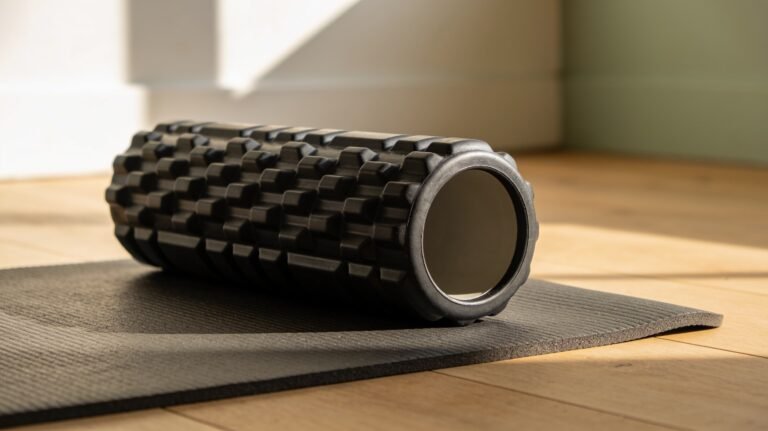
6. Foam roll for 10 minutes targeting the most-worked muscle groups.

Foam rolling (self-myofascial release) reduces tissue tension and improves range of motion. Roll each major muscle group for 60-90 seconds, pausing on tender spots. The TriggerPoint GRID foam roller ($36) and the LuxFit premium roller ($25) are both effective options. Roll before and after training for maximum benefit.

7. Increase your carbohydrate intake on hard training days — glycogen depletion is an underappreciated cause of slow recovery.

Many athletes under-eat carbohydrates in the belief that lower carbs are healthier. For recovery, this backfires. Glycogen is the fuel for intense exercise, and replenishing it after training requires carbohydrates. On heavy training days, aim for 2-3 g of carbohydrate per pound of bodyweight across the full day.

8. Add creatine monohydrate to your supplement stack — it is the best-studied recovery and performance supplement available.

Creatine monohydrate has decades of evidence supporting faster muscle recovery, reduced DOMS, and improved training performance. Take 3-5 g daily. Timing does not matter much. Creapure-certified creatine monohydrate from brands like Thorne or Bulk Supplements costs around $20-25 for a 3-month supply.

9. Manage lifestyle stress as seriously as you manage training load.

Cortisol from work, poor relationships, and financial stress directly inhibits muscle protein synthesis and increases inflammation. If your life stress is high, reduce your training intensity rather than pushing through. A 30-minute walk in nature, 10 minutes of meditation, or even a phone-free evening meal can meaningfully lower cortisol levels.

Person relaxing and managing stress for better post-workout recovery

10. Prioritise magnesium intake — deficiency is common and directly impairs sleep and muscle function.

Magnesium is depleted through sweat during exercise and is chronically under-consumed in most Western diets. Low magnesium impairs sleep quality, increases muscle cramps, and slows recovery. Food sources: pumpkin seeds (156 mg per oz), dark chocolate, spinach, almonds. Supplement option: magnesium glycinate 200-400 mg before bed ($15-20 per month).

11. Get a sports massage or use a percussion massager once a week for targeted tissue work.

Weekly deep tissue massage reduces muscle tension and improves recovery between training cycles. If professional massage ($60-100 per session) is outside your budget, a percussion massager like the Theragun Mini ($179) or the Ekrin B37 ($100) delivers similar benefits at home. Use for 2-3 minutes per muscle group.

12. [REPLACE WITH A REAL PHOTO] — Your Post-Workout Recovery Routine.

[REPLACE WITH A REAL PHOTO — photograph your own post-workout recovery setup. Your foam roller, protein shake, supplements, etc. Caption: “My post-workout recovery kit — everything I use to feel better by the next morning. [REPLACE-AUTHOR-NAME], healthfitness-blog.com”]

[REPLACE — describe your personal post-workout recovery protocol with exact timings and the specific products you use. Personal protocols outperform generic advice for E-E-A-T and reader trust.]

13. Track your heart rate variability (HRV) to know when your body is truly ready for hard training.

HRV measures the variation between heartbeats and is the most accurate real-time indicator of recovery status. A low HRV score means your nervous system is under-recovered. Apps like HRV4Training (free) or Whoop ($30/month) measure this daily. When HRV is low, do a recovery session instead of a hard training day.

14. Eat anti-inflammatory foods in the 24 hours after hard training to accelerate tissue repair.

Certain foods reduce exercise-induced inflammation: tart cherry juice (1-2 cups post-workout has solid evidence), blueberries, wild-caught salmon, turmeric with black pepper, and ginger. Tart cherry juice in particular has been shown in multiple studies to reduce DOMS and speed recovery from strength training.

Anti-inflammatory foods for faster post-workout muscle recovery

15. Periodise your training with planned deload weeks every 4-6 weeks.

A deload week reduces training volume by 40-60% while maintaining intensity. This allows accumulated fatigue to dissipate, restores hormonal balance, and often produces a strength rebound in the following week. Most recreational athletes skip deloads entirely and wonder why they feel run down and stalled. Schedule them in advance like any other training week.

Post-Workout Recovery Score Quiz

Answer 5 quick questions to see where your recovery is breaking down.


Recovery Tools: Cost vs Effectiveness

Tool Cost Best For Evidence Level Priority
Sleep (7-9 hrs) Free Overall recovery Very Strong #1
Post-workout protein meal $1-5 Muscle repair Very Strong #2
Foam roller $20-40 Tissue tension, DOMS Moderate #3
Creatine monohydrate $20-25/3mo Strength + recovery Very Strong #4
Tart cherry juice $6-10/bottle DOMS reduction Moderate-Strong #5
Percussion massager $80-200 Targeted muscle relief Moderate #6
Cold water immersion Free / low cost Acute soreness Moderate #7
HRV tracking app Free-$30/mo Training readiness Emerging #8

5 Post-Workout Recovery Mistakes to Avoid

  1. Skipping the post-workout meal. Training fasted and then not eating afterward leaves your muscles in a catabolic state for hours. Even a simple protein shake and a banana makes a significant difference.
  2. Training the same muscle group two days in a row. Muscles need at least 48 hours between hard sessions to fully repair. Consecutive same-muscle training sessions accumulate damage faster than the body can clear it.
  3. Relying on NSAIDs (ibuprofen, naproxen) to manage soreness. Regular use of anti-inflammatory drugs after training may blunt the muscle adaptation response, according to some research. Use them sparingly and only for significant pain, not routine soreness.
  4. Overtreating soreness as injury. DOMS is normal and expected. Resting completely every time you feel sore leads to detraining. Learn to distinguish between productive soreness and actual injury pain (sharp, localised, joint-based).
  5. Neglecting mental recovery. If your mind is racing and your stress levels are high, your body cannot recover fully regardless of what you eat or how much you sleep. Build wind-down routines, protect sleep, and address high-stress periods by reducing training load.

Frequently Asked Questions

How long does it take muscles to recover after a workout?

Most muscles recover within 24-72 hours after a workout, depending on training intensity and your recovery practices. Heavy compound lifts like squats and deadlifts can leave muscles sore for 48-72 hours. Lighter aerobic sessions recover in 12-24 hours. Proper nutrition, sleep, and hydration can reduce this window meaningfully.

What should I eat after a workout to recover faster?

The most effective post-workout meal combines fast-digesting protein (20-40 g) and carbohydrates within 30-60 minutes of training. Good examples: Greek yoghurt with banana, chocolate milk, rice with chicken, or a protein shake with oats. Carbohydrates replenish glycogen, and protein initiates muscle repair.

Does stretching after a workout help recovery?

Post-workout static stretching helps reduce muscle tightness and maintains flexibility, but research shows limited impact on reducing DOMS. It is still worthwhile because it promotes blood flow, reduces tension, and helps you transition mentally from training mode to rest mode.

Is it OK to work out with sore muscles?

Mild soreness is fine to train through, especially if you are training a different muscle group. Training the exact same muscles while severely sore slows repair and increases injury risk. If soreness is above a 4 out of 10 in the muscles you plan to train, take a rest or active recovery day instead.

Does cold water or ice baths help recovery?

Cold water immersion can reduce acute inflammation and perceived soreness after high-intensity or endurance exercise. However, it may blunt long-term muscle adaptation if used after every strength session. Use it selectively after your hardest sessions, not after every regular training day.

How much sleep do I need for good workout recovery?

Most adults need 7-9 hours of sleep per night for optimal recovery. Growth hormone, the primary driver of muscle repair, is released predominantly during deep sleep. Consistently sleeping less than 6 hours significantly impairs recovery, performance, and body composition over time.

Final Thoughts

Faster workout recovery is not about expensive tools or complex protocols. It comes down to eating enough protein, sleeping enough hours, hydrating properly, and managing the stress in your life. Get those four fundamentals right first. Then layer in foam rolling, creatine, and active recovery sessions.

Start with the recovery quiz above to identify your weakest area. Fix that one thing this week. Compound those small improvements over months and you will train harder, feel better, and make progress that actually sticks.

For more support, read our guides on post-workout nutrition for muscle growth, how to build strength with dumbbells only, and the best sleep habits for athletes.

Found these recovery tips helpful? Save this post to your Fitness board on Pinterest. Share the gains!

Photo
[REPLACE]
[REPLACE-AUTHOR-NAME]
Certified personal trainer and fitness writer at healthfitness-blog.com. [REPLACE — 2-3 sentence bio: credentials, training specialisation, personal recovery experience.] Read full bio.

Transparency notice: This post may contain affiliate links. If you purchase through a link on this page, we may earn a small commission at no extra cost to you. All fitness and supplement information is for general informational purposes and is not medical advice. Consult a qualified healthcare professional before changing your supplement protocol or training programme.

Shares
Write Comment
Leave a Reply Cancel reply

Your email address will not be published. Required fields are marked *

Previous Post

Best Morning Yoga Stretches to Start Your Day With Energy (10-Minute Routine)

About Me

Jake Reynolds

CERTIFIED FITNESS COACH & HEALTH WRITER

Hi, I'm Jake! I'm a certified personal trainer and nutrition enthusiast dedicated to helping you build a stronger, healthier body. From beginner workouts to science-backed nutrition advice — this blog is your go-to guide for real, sustainable fitness results.

Social Icons
BehanceDribbbleFacebookInstagramPinterestTwitter
Most Popular

How to Recover from a Fitness Setback and Get Back on Track

image-01

Travel Workout Guide How to Stay Fit on the Road Without a Gym

image-05

Body Recomposition How to Lose Fat and Build Muscle at the Same Time

image 146
Categories
Lifestyle
Food & Health
Travel
Featured Posts
Uncategorized

Why You’re Not Losing Weight Eating Healthy (15 Real Reasons and the Fixes)

April 22, 2026
Uncategorized

High Protein Meal Prep Ideas for the Whole Week (Easy + Cheap)

April 22, 2026
Uncategorized

How to Build Strength With Dumbbells Only (Full-Body Plan That Actually Works)

April 22, 2026
Newsletter
Tags
12 week transformation 30 day workout challenge 10000 steps research batch cooking beginner fitness challenge belly fat science better sleep body composition body recomp body recomposition body transformation beginners calorie counting beginners daily walking science DOMS relief early morning workout exercise brain exercise mental health exercise with knee pain fat loss muscle gain fitness after break fitness and anxiety fitness myths fitness transformation plan foam roller exercises foam rolling food tracking HIIT at home home workout plan how to count calories improve sleep fitness low impact cardio movement and mood muscle recovery no gym weight loss post workout meal pre workout food realistic fitness results self massage sleep and muscle recovery sleep and weight loss sleep hygiene stretching at home sustainable eating what to eat before exercise workout nutrition
You might also like
women-home-workout-featured
Uncategorized

Full Body Home Workout for Women to Lose Weight (No Equipment Required)

6 Mins read
April 15, 2026

A complete full body home workout for women designed to burn fat and tone up — no gym, no equipment needed. Beginner and intermediate versions included.

morning-routine-featured
Uncategorized

Healthy Morning Routine for Mind and Body: A Practical Guide That Actually Works

6 Mins read
April 15, 2026

Build a healthy morning routine that energizes your mind and body. Simple, science-backed habits to start your day right — no 5 AM wake-ups required.

cardio-workouts-home-featured
Uncategorized

Best Cardio Workouts for Weight Loss at Home (No Equipment Needed)

5 Mins read
April 15, 2026

Discover the most effective cardio workouts for weight loss you can do at home with zero equipment. Beginner-friendly routines that actually burn fat.

Inspired by Front
Logo
Logo
  • Home
  • Nutrition
  • Home Workouts
  • Fitness Tips
  • Strength Training
  • Weight Loss
  • Meal Prep
  • Recovery

Jake Reynolds

CERTIFIED FITNESS COACH & HEALTH WRITER

Hi, I'm Jake! I'm a certified personal trainer and nutrition enthusiast dedicated to helping you build a stronger, healthier body. From beginner workouts to science-backed nutrition advice — this blog is your go-to guide for real, sustainable fitness results.

Why You’re Not Losing Weight Eating Healthy (15 Real Reasons and the Fixes)

High Protein Meal Prep Ideas for the Whole Week (Easy + Cheap)

How to Build Strength With Dumbbells Only (Full-Body Plan That Actually Works)

0