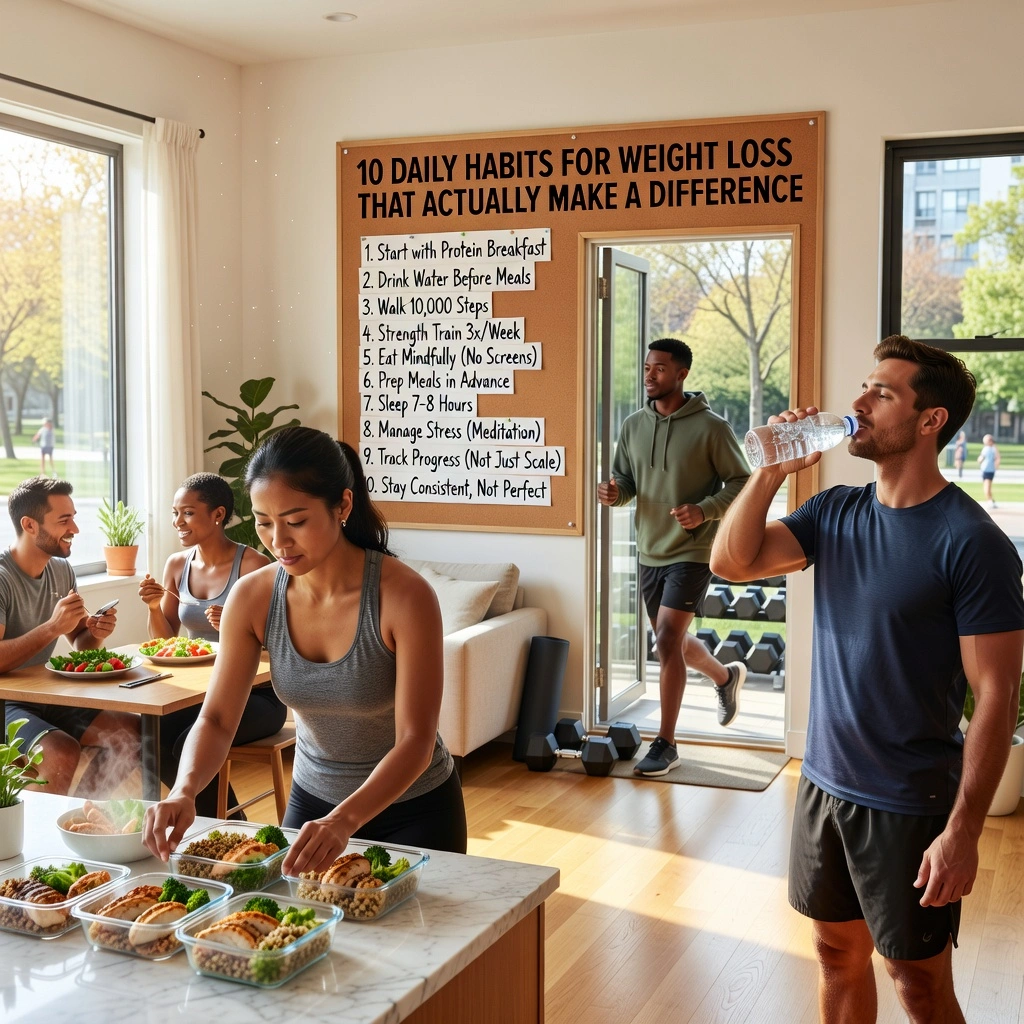
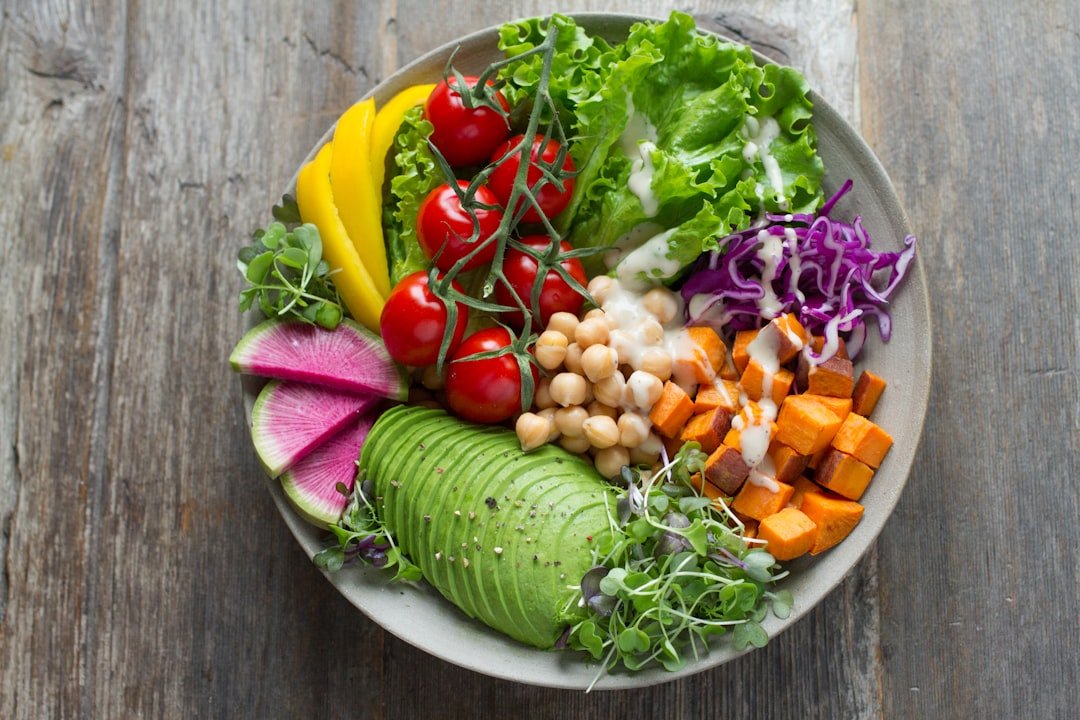
Sustainable weight loss rarely comes from a dramatic overhaul. It comes from small routines repeated until they feel automatic. The best daily habits for weight loss are simple, cheap, and realistic for a busy week, and none of them depend on perfect willpower. This guide walks through ten of them, explains why each one may help, and shows how to add them gradually so you do not burn out. Results vary from person to person, so treat these as supports for a healthy routine rather than guarantees.
Why Daily Habits Matter More Than Crash Diets
Crash diets promise quick results, but they are hard to maintain, and many people regain what they lost once the restriction ends. Habits work differently. Once a behaviour becomes automatic, it takes very little effort to repeat, which is exactly what long-term change needs. Health organisations such as the Mayo Clinic and the CDC both emphasise gradual, lasting lifestyle changes over quick fixes.
Research on habit formation suggests the time it takes varies widely, from a few weeks to many months depending on the person and the behaviour. That is good news in one sense: you do not need to be perfect, only consistent. Our guide to healthy eating habits for weight loss pairs well with the routines below.
Pro Tip: Rather than overhauling everything at once, focus on mastering two or three habits before adding more. Small wins build the confidence to keep going.
The 10 Daily Habits for Weight Loss
1. Drink Water Before Every Meal
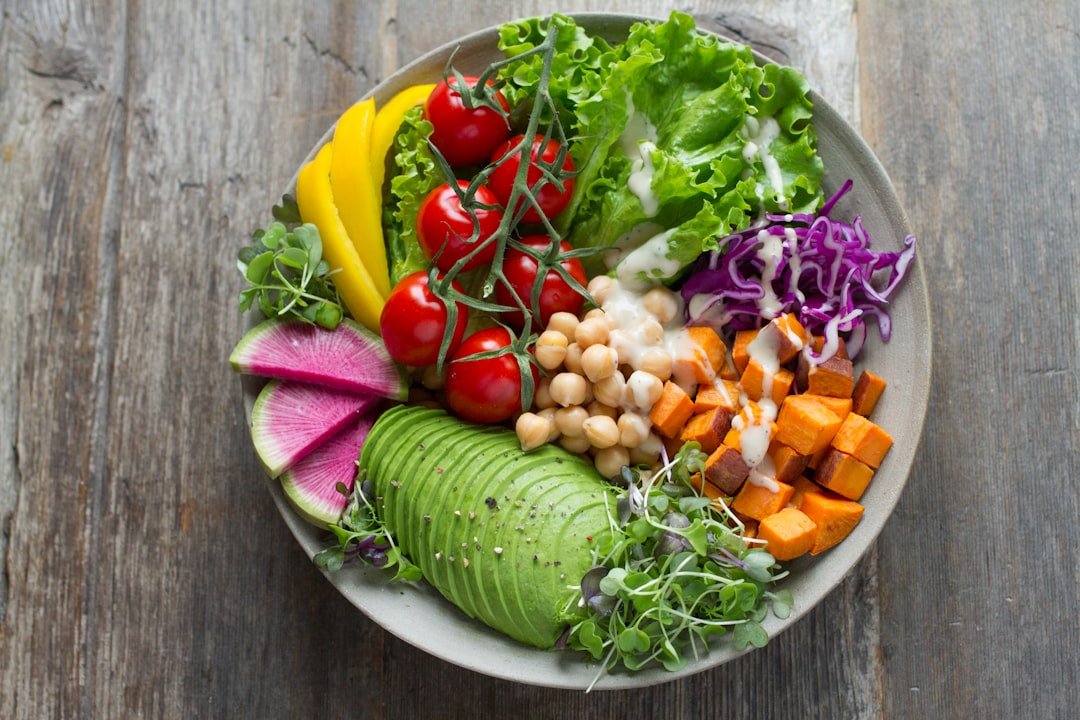
Having a glass of water 15 to 30 minutes before you eat may help you feel a little fuller, and some small studies suggest people eat modestly less at the meal that follows. The effect is usually small, but the habit is free and easy to repeat. It also nudges you to drink more water in place of sugary drinks, which matters more over time. Keep a bottle where you will see it, and link the habit to something you already do, such as sitting down to lunch. If you have a medical condition that affects fluid intake, check with your doctor first.
2. Eat a Protein-Rich Breakfast
Many people find that a breakfast with a solid serving of protein, often in the range of 20 to 30 grams, keeps hunger steadier through the morning. Protein tends to be more filling than the same calories from refined carbohydrates, which can make mid-morning snacking less tempting. Good options include eggs, Greek yogurt, cottage cheese, or oats with milk and nuts. You do not need a complicated recipe. If mornings are rushed, boil a batch of eggs on Sunday. For more ideas on building filling meals, see healthy meal ideas that keep you full.
3. Walk Every Day
Walking is the easiest form of exercise to repeat daily. A target somewhere between 7,000 and 10,000 steps is common, though the right number depends on your starting point, so build up gradually. Walking adds movement without much joint stress and fits around a busy schedule. Try a short walk after meals, take phone calls on your feet, or park a little farther away. Our guide on how many steps per day for weight loss explains how to choose a realistic target and increase it safely.
4. Plan Your Meals the Night Before
Decisions made while hungry are rarely the best ones. Spend ten to fifteen minutes each evening deciding what you will eat tomorrow, or prepare a few basics once a week. Having food ready makes the healthier choice the easy choice and can cut down on last-minute takeout. Start small with lunches, then expand. If budget is a concern, this budget meal prep system shows how to prepare a week of meals without overspending.
5. Protect Your Sleep
Short or irregular sleep is linked in research with stronger appetite and more cravings for energy-dense food, and it can make workouts feel harder. Most adults do best with roughly seven to nine hours. Keep a regular bedtime, dim the lights and put screens away for the last half hour, and keep the bedroom cool. If you struggle with sleep for weeks or suspect a sleep disorder, talk with a healthcare professional. For practical tips, read our sleep habits for fitness and fat loss.
6. Cut Back on Liquid Calories
Sweetened coffee drinks, soda, juice, and alcohol can add a surprising number of calories without making you feel full. Swapping even one daily sugary drink for water, sparkling water, or unsweetened tea can reduce your weekly intake noticeably, and for some people that adds up to meaningful change over several months. You do not have to quit everything at once. Start by halving the sugar in your coffee or replacing the afternoon soda, then go from there.
7. Eat Slowly and Mindfully
Fullness signals take a while to reach the brain, often cited as around 20 minutes. Eating quickly makes it easy to finish a plate before you notice you are satisfied. Put your fork down between bites, chew thoroughly, and turn off the TV during at least one meal a day. Serving food on a plate rather than eating from the package also helps you see how much you are having. Mindful eating will not suit everyone, but it is a low-cost experiment worth trying for two weeks.
8. Strength Train Two to Three Times a Week
Resistance training helps you keep and build muscle while you lose weight, which supports strength and everyday function. Two to three short sessions per week is a sound starting point for beginners, using bodyweight, resistance bands, or light dumbbells. Focus on basic movements such as squats, incline push-ups, rows, and hip hinges. Start light and prioritise good form. Our article on why lifting helps with fat loss covers the details, and anyone with an injury or health condition should check with a professional before starting.
9. Track What You Eat, at Least at First
Writing down what you eat, even for a few weeks, tends to make portions and patterns visible. Several studies have found that people who monitor their food intake often do better with weight loss than those who do not, although results vary. You can use an app or a simple notebook. The goal is awareness, not perfection or obsession. If tracking makes you anxious or leads to unhealthy thoughts about food, stop and speak with a healthcare professional.
10. Manage Stress Daily
Ongoing stress can affect sleep, appetite, and the urge to eat for comfort rather than hunger. You cannot remove stress entirely, but small daily practices help: five to ten minutes of slow breathing, a short walk outside, stretching, or writing down what is on your mind. Pick the one you will actually do. If stress or low mood feels overwhelming or lasts for weeks, reach out to a doctor or mental health professional. Building a workout habit that sticks can also be a good stress outlet.
How to Build Habits Without Burning Out
Adding all ten habits at once is a common way to fail. Stack them in stages instead, and move on only when the current step feels easy. One sensible sequence looks like this:
- Weeks 1 to 4: drink water before meals and cut back on liquid calories.
- Weeks 5 to 8: add a protein-rich breakfast and plan meals the night before.
- Weeks 9 to 12: add daily walking and improve your sleep routine.
- Week 13 onward: add strength training, mindful eating, food tracking, and stress management.
Use a simple daily checklist to track your streak. Seeing a row of ticks is motivating, and it makes it obvious which habit needs more attention. Attach each new habit to an existing cue, such as brushing your teeth or finishing dinner, so you do not have to rely on memory.
What to Do When Progress Slows
Weight loss is rarely a straight line. Water retention, hormones, sleep, and stress can all move the scale from day to day. If a few weeks pass with no change, review the basics before making drastic cuts: portion sizes, weekend eating, sleep, and how consistently you are following each habit. Our list of reasons you may not be losing weight while eating healthy is a useful checklist. If you have a medical condition or take medication that affects weight, speak with your doctor before changing your plan.
Frequently Asked Questions
How long before I see results from these habits?
It varies from person to person. Many people notice better energy or sleep within a few weeks, while changes on the scale tend to be gradual. Health organisations generally suggest aiming for roughly one to two pounds per week at most, and many people lose more slowly than that. Focus on consistency rather than a deadline.
Can I still eat my favorite foods?
Yes. A sustainable approach leaves room for foods you enjoy in sensible portions. Strict bans often backfire and lead to overeating later. Build most meals around protein, vegetables, and whole foods, then enjoy treats occasionally without guilt. If you have a medical condition that requires a special diet, follow the advice of your healthcare professional.
What if I miss a day?
Nothing is lost. Research on habit formation suggests that missing an occasional day does not derail the process. What matters is returning to the habit at the next opportunity. Plan for slip-ups in advance by choosing a smaller backup version, such as a ten-minute walk instead of a long one, so you never fall back to zero.
Do these habits work without exercise?
Eating, sleep, and stress habits can support weight loss on their own, since energy intake matters a great deal. Exercise adds benefits for heart health, mood, and muscle, and it can make maintaining weight easier. Even light movement helps. If you take medication or have a health condition, ask your doctor what level of activity suits you.
Start with one habit today. Pick the easiest one on the list, repeat it for a couple of weeks, and build from there. This article is general information, not medical advice. If you have a health condition, take medication, or are pregnant, consult a qualified healthcare professional before changing your diet or exercise routine.