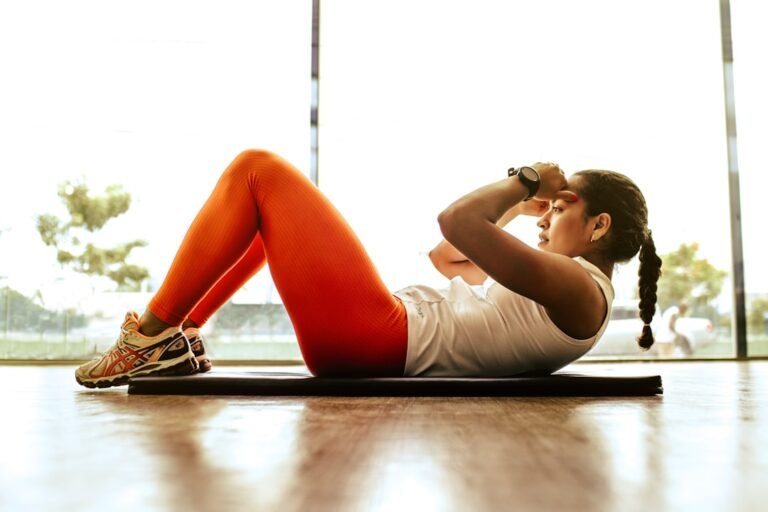
Not everyone can jump around their living room without annoying the downstairs neighbors, and not everyone’s knees are up for high-impact moves. The good news: a cardio workout at home for beginners doesn’t need a single jump to get your heart rate up, burn a solid number of calories, and build real endurance. This guide walks through a complete 20-minute, no-jump routine you can do on a small yoga mat with zero equipment.
Why Low-Impact Cardio Works for Beginners
Low-impact means at least one foot stays on the ground at all times — no bouncing, no pounding, no jarring landings. That makes it a smart entry point if you’re new to exercise, returning after time off, managing joint sensitivity, or simply working out in a space where jumping isn’t practical.
- Elevates heart rate and burns meaningful calories without joint impact
- Easier to maintain good form, which matters most when you’re a beginner
- Quiet enough for apartments and shared spaces
- Requires no equipment beyond a small patch of floor
- Builds a base of cardiovascular fitness you can build on later
According to Harvard Health, low-impact exercise can deliver cardiovascular benefits comparable to higher-impact training when done at sufficient intensity and consistency — the key is effort, not how hard you land.
8 No-Jump Cardio Moves for Beginners
These eight moves form the building blocks of the full routine below. Each one keeps a foot grounded while still raising your heart rate through speed, range of motion, and continuous movement.
1. March in Place
Lift your knees high and pump your arms. It sounds basic, but a fast march is a genuine warm-up and cardio move that gets your blood flowing within the first minute.
2. Step Touches
Step to the right, bring your left foot in to meet it, then reverse. Add an arm swing to increase intensity. This lateral movement pattern also improves coordination.
3. Standing Bicycle Crunches
Bring your opposite elbow to your opposite knee in a standing twist. This combines core engagement with continuous movement, keeping your heart rate elevated.
4. Low-Impact Jacks
Step one foot out to the side while raising your arms overhead, then step it back in as you lower your arms. It mimics a jumping jack’s arm pattern without the jump.
5. Standing Glute Kickbacks
Hold a wall or chair for balance and kick one leg straight behind you, squeezing your glute at the top. Alternate legs to keep the movement continuous.
6. March and Punch
Keep marching in place while throwing alternating punches forward. Adding the upper body raises your heart rate further without any extra impact on your joints.
7. Modified Skaters
Step laterally from side to side in a wide stance, reaching the opposite hand toward the ground, without hopping between sides. This targets the outer legs and glutes.
8. Standing Oblique Crunches
Hands behind your head, crunch your elbow down toward your hip on alternating sides. It’s a controlled, low-impact way to finish strong and engage your core.
The 20-Minute Beginner Routine
Structure the eight moves above into four 5-minute rounds, working 45 seconds per move with 15 seconds of rest between moves. Repeat each round’s moves twice to fill the 5 minutes.
- Round 1 (Warm-Up): March in Place, Step Touches
- Round 2: Standing Bicycle Crunches, Low-Impact Jacks
- Round 3: Standing Glute Kickbacks, March and Punch
- Round 4 (Cool-Down Pace): Modified Skaters, Standing Oblique Crunches, finishing with 60 seconds of slow marching and deep breathing
A 20-minute session like this at a consistent, brisk effort typically burns somewhere in the range of 100–180 calories, depending on body weight and effort level — treat that as a rough estimate rather than an exact figure. If you want a shorter option to start, our 20-minute home workout for beginners is a good complementary routine to alternate with this one.
If any single move bothers a particular joint, swap it for another from the list of eight rather than pushing through discomfort — the routine is flexible by design. Beginners often find their balance and coordination improve noticeably within the first two weeks, which makes moves like the modified skaters and glute kickbacks feel considerably smoother by the third or fourth session.
How Often to Do This Workout
- Weeks 1–2: 3 times per week, 15–20 minutes per session
- Weeks 3–4: 4 times per week, 20–25 minutes per session
- Month 2 and beyond: consider adding a second cardio session or pairing this with strength work, such as our core workout for beginners or a beginner strength training program
The American Heart Association recommends at least 150 minutes of moderate-intensity activity per week — roughly five 20–30 minute sessions like this one.
Common Beginner Mistakes
- Moving too slowly to raise your heart rate: low-impact doesn’t mean low-effort — keep the pace brisk.
- Skipping the warm-up: a few minutes of marching prepares your joints and muscles for faster movement.
- Holding your breath during core moves: breathe continuously through crunches and twists.
- Doing it once and expecting results: consistency over several weeks is what drives visible change.
- Ignoring form for speed: a controlled step touch beats a sloppy fast one for both safety and effectiveness.
New to exercise altogether? Our guide on how to start working out as a complete beginner covers the basics of building a routine from scratch, and if you’d eventually like to add bodyweight strength work, the full body calisthenics workout is a natural next step.
How to Know You’re Working Hard Enough
Without impact to gauge intensity, it helps to use a simple effort scale. Rate your effort from 1 (resting) to 10 (maximum effort) and aim to stay in the 5–7 range for most of this routine — that’s the zone associated with the biggest cardiovascular return for beginners.
- 1–3 (too easy): you can sing without effort — pick up your pace or range of motion
- 5–7 (target zone): you can talk in short sentences but wouldn’t want to sing
- 8–9 (too hard for this format): you can only manage a word or two — slow down slightly
If you finish the 20 minutes feeling like you could easily do another round, that’s a sign to increase your range of motion or pace rather than adding jumps. If you’re gasping by minute 10, ease off slightly — the goal is a sustainable, repeatable session, not exhaustion.
Progressing the Routine Over Time
Once the 20-minute routine starts to feel comfortable, usually after three to four weeks of consistent practice, there are several ways to keep challenging yourself without introducing high-impact movement:
- Extend work intervals: move from 45 seconds on / 15 seconds off to 50/10, then eventually a full minute of continuous work.
- Add light resistance: hold a light dumbbell or water bottle during the punch and crunch variations.
- Increase range of motion: step wider on step touches, lift knees higher during marches.
- Stack a second round: repeat the full 20-minute circuit for a 35–40 minute session on days you have more time.
- Combine with strength training: alternate cardio days with a bodyweight strength session for a more complete weekly program.
There’s no need to rush toward high-impact training if low-impact continues to work for you — plenty of people build and maintain excellent cardiovascular fitness on low-impact routines indefinitely. The most important variable is still consistency: showing up several times a week, week after week.
FAQ: No-Jump Cardio for Beginners
Can I really burn calories without jumping?
Yes. Calorie burn depends far more on intensity, duration, and continuous movement than on impact. A brisk, well-structured low-impact routine can burn a comparable amount to a moderate jumping workout, especially when you keep rest periods short and effort consistently high throughout the session.
Is low-impact cardio good enough for weight loss?
It can contribute meaningfully to weight loss when combined with a reasonable diet, since it’s a habit most beginners can sustain consistently. No single workout style is magic — the routine that you’ll actually repeat several times a week tends to outperform a more intense one you quit after two weeks.
Do I need any equipment for this routine?
No equipment is required — just enough floor space to step side to side, plus a wall or sturdy chair nearby if you’d like extra balance support during the glute kickbacks. A yoga mat adds comfort but isn’t essential for a low-impact routine like this one.
What if I have knee or joint pain?
Low-impact cardio is generally gentler on joints than running or jumping, but everyone’s situation is different. If you have an existing knee, hip, or joint condition, check with a healthcare professional before starting a new exercise routine, and stop any move that causes sharp or worsening pain.
You don’t need a gym, equipment, or the ability to jump to build real cardiovascular fitness. Clear a small patch of floor, work through the eight moves above at a brisk pace, and give yourself a few consistent weeks — that’s really all it takes to get started.
Sources: Harvard Health – The Truth About Low-Impact Exercise, American Heart Association – Physical Activity Recommendations.