Most people obsess over which exercises to do and completely ignore what they eat around those workouts. That’s a mistake. The food you consume before and after training can mean the difference between a session that builds you up and one that just wears you out.
This guide breaks down exactly what to eat, when to eat it, and why it matters — no complicated formulas, no expensive supplements required.
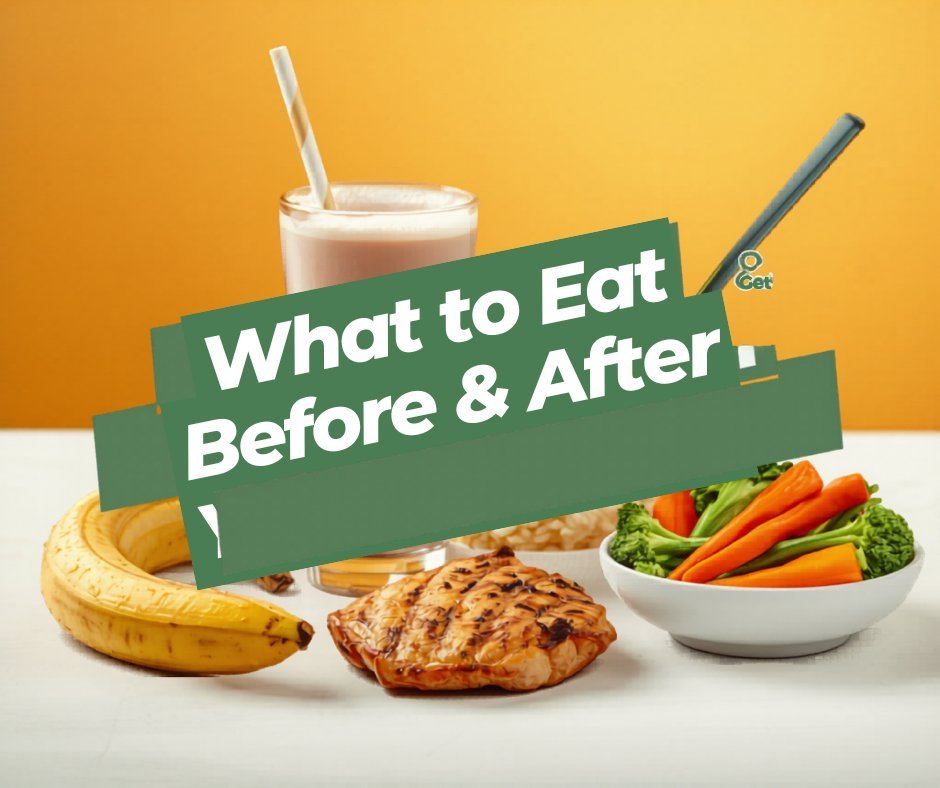
Why Pre and Post-Workout Nutrition Actually Matters
Here’s a truth that surprises a lot of beginners: exercise breaks your body down. Muscle fibers tear, glycogen stores deplete, and stress hormones spike. What you eat around your workout is what tells your body to rebuild stronger rather than just recover back to baseline.
Think of it like this: the workout is the stimulus, but food is the signal.
Skip pre-workout nutrition and you risk sluggish performance and early fatigue. Skip post-workout nutrition and you slow recovery, lose potential muscle gains, and often end up ravenously overeating hours later.
What to Eat Before a Workout
The goal of pre-workout eating is simple: fuel your session without weighing you down or causing digestive discomfort.
The Ideal Pre-Workout Window
Eat a full meal 2 to 3 hours before training, or a small snack 30 to 60 minutes beforehand. The larger the meal, the more time you need to digest it.
What Your Pre-Workout Meal Should Include
Carbohydrates are your priority. Your muscles run on glycogen, which comes from carbs. Skimping on carbs before a workout is like starting a road trip with a near-empty tank. Good pre-workout carb sources include oatmeal, brown rice, sweet potato, whole grain bread, bananas, and fruit.
Add moderate protein. Protein before training helps reduce muscle breakdown during your session. Aim for 20 to 30 grams. Think eggs, Greek yogurt, chicken, or a protein shake.
Keep fat low. Fat slows digestion. A small amount is fine, but a fatty meal right before exercise will leave you feeling heavy and sluggish.
Quick Pre-Workout Meal Ideas
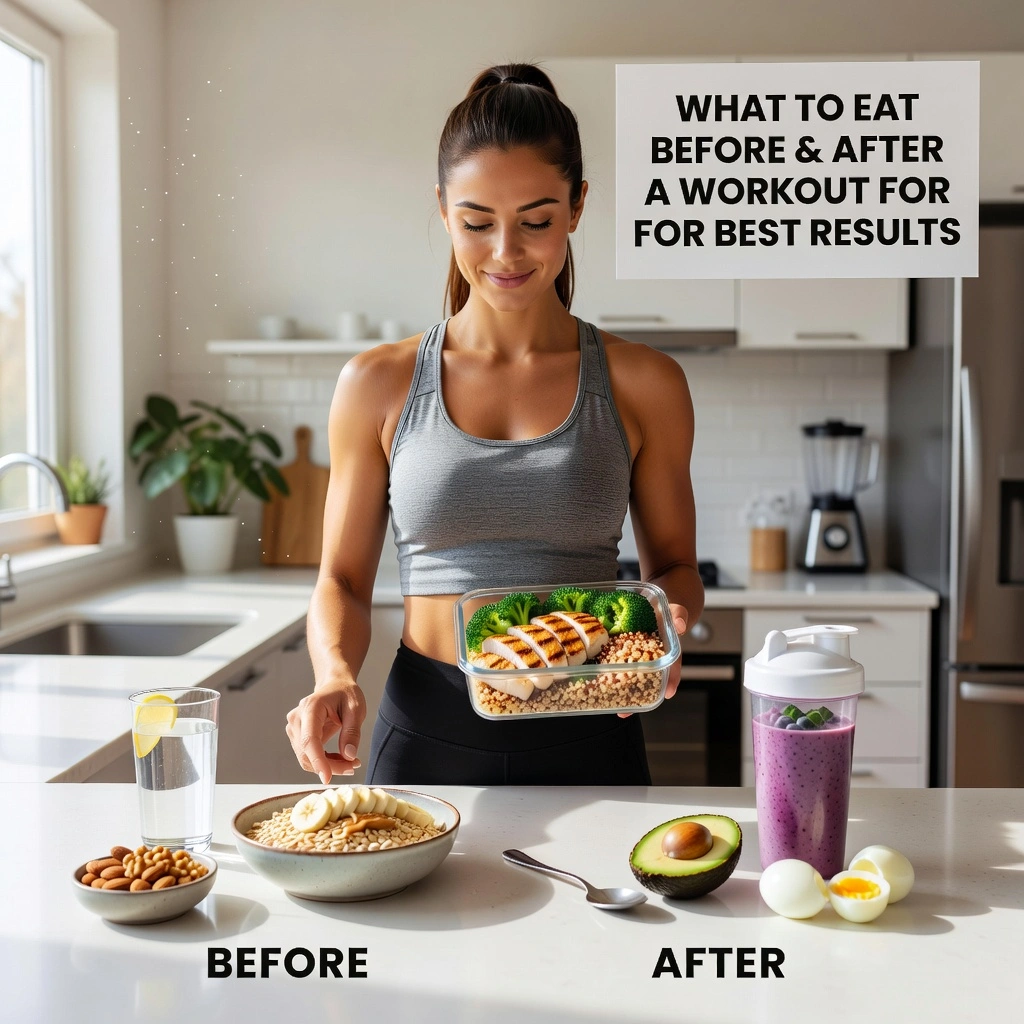
- Oatmeal with a banana and a scoop of protein powder (2-3 hours out)
- Two eggs on whole grain toast with sliced avocado (2 hours out)
- Greek yogurt with berries and granola (1-2 hours out)
- A banana with a tablespoon of peanut butter (30-60 minutes out)
- A small protein shake with a piece of fruit (30 minutes out)
Should You Work Out Fasted?
Fasted cardio works fine for low-to-moderate intensity sessions like a brisk walk or light jog. However, for strength training or high-intensity cardio, working out fasted tends to hurt performance and can increase muscle breakdown. Unless you have a specific reason for it, eating something beforehand will serve most people better.
What to Eat After a Workout
The hour or two after your workout is when your muscles are primed to absorb nutrients. This is the time to prioritize protein and carbohydrates together.
The Post-Workout Priority: Protein
Protein provides the amino acids your muscles need to repair and grow. Research consistently shows that consuming 20 to 40 grams of protein after training optimizes muscle protein synthesis. The best post-workout protein sources are chicken breast, eggs, Greek yogurt, cottage cheese, tuna, salmon, and protein shakes.
Don’t Skip the Carbs After Training Either
Carbohydrates after training replenish depleted glycogen stores and actually help shuttle protein into your muscles more efficiently by triggering an insulin response. Simple, fast-digesting carbs work well here: white rice, fruit, potatoes, or even a sports drink if you’ve had an intense session.
Quick Post-Workout Meal Ideas
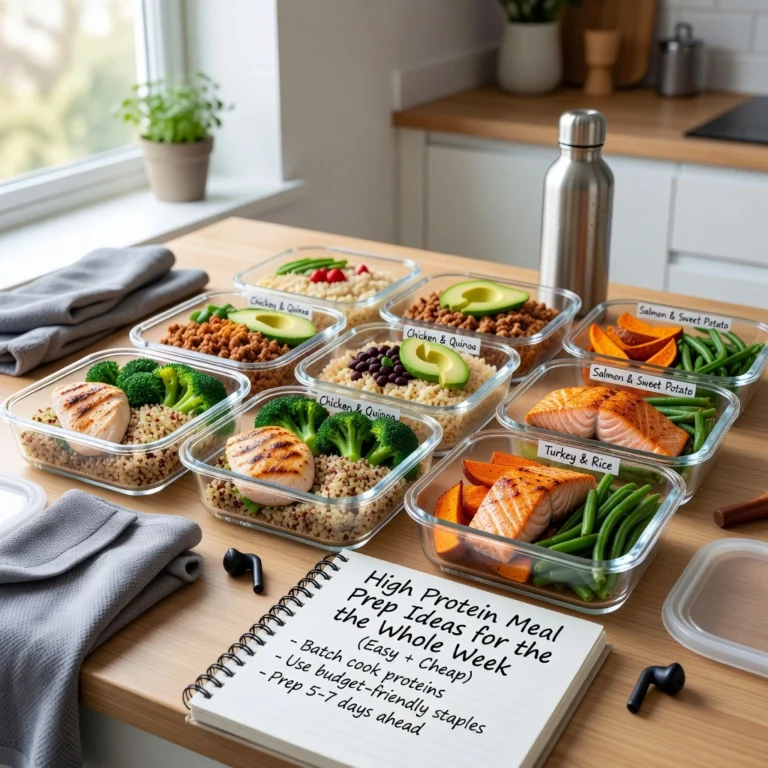
- Grilled chicken with white rice and steamed broccoli
- Protein shake with a banana and oats blended in
- Greek yogurt parfait with berries and granola
- Tuna on whole grain bread with a glass of chocolate milk
- Cottage cheese with pineapple and a rice cake
Hydration: The Overlooked Performance Factor
Even mild dehydration — as little as 2% of body weight — measurably reduces strength, endurance, and focus. Drink water consistently throughout the day, not just during your workout. A practical rule: if your urine is pale yellow, you’re well hydrated. For workouts longer than 60 to 90 minutes, consider adding electrolytes through a sports drink, coconut water, or an electrolyte tablet.
Common Nutrition Mistakes to Avoid
Even people who are consistent with their training often undermine their results with avoidable nutrition habits. Here are the most common ones:
Eating too much fat before training. A high-fat meal before a workout significantly delays stomach emptying, leaving you feeling slow and uncomfortable during exercise. Keep pre-workout fat intake minimal.
Skipping food altogether before early morning workouts. If you train in the morning and can’t stomach a full meal, at least have a banana or a small protein shake. Even 100 to 150 calories of easy-to-digest food will improve your performance compared to nothing at all.
Waiting too long to eat after training. The post-workout window is real. While the difference between eating at 30 minutes versus 2 hours isn’t dramatic, consistently delaying your post-workout meal slows recovery over time. Aim to eat within 1 to 2 hours of finishing your session.
Over-relying on protein bars and shakes. These have their place, but whole food sources of protein are digested more completely and provide additional micronutrients that supplements don’t. Use shakes for convenience when real food isn’t available, not as a daily replacement.
Putting It All Together: A Sample Day
Here’s how a training day might look for someone working out in the early afternoon:
8:00 AM — Breakfast: Oatmeal with berries, two eggs, black coffee
12:00 PM — Pre-workout meal: Brown rice, grilled chicken, mixed vegetables
2:00 PM — Workout
3:30 PM — Post-workout: Protein shake with a banana
7:00 PM — Dinner: Salmon, sweet potato, salad
Frequently Asked Questions
How long before a workout should I eat?
For a full meal, allow 2 to 3 hours. For a light snack, 30 to 60 minutes is enough. The goal is to be fueled but not still digesting when you start moving.
Do I need a protein shake after every workout?
No. Protein shakes are a convenient option, but whole food sources work just as well — often better. What matters is getting 20 to 40 grams of protein from any source within 1 to 2 hours post-workout.
Is it okay to eat carbs after a workout if I’m trying to lose weight?
Yes. Post-workout carbs replenish glycogen and help protein absorption. The total calories you consume across the day matter far more than the timing of individual carbohydrates.
What should I eat if I work out very early in the morning?
If you can’t eat a full meal, try a banana with nut butter or a small protein shake 20 to 30 minutes before your session. For low-intensity morning exercise like walking or light yoga, training fasted is generally fine.
The Bottom Line
You don’t need a complicated nutrition protocol or a cabinet full of supplements to fuel your workouts well. Focus on these core principles: eat carbs and protein before training, eat protein and carbs after training, stay hydrated, and give your body consistent fuel throughout the day. Do that consistently and your workouts will feel better, your recovery will improve, and your results will follow.