Counting calories works – but it’s exhausting, time-consuming, and for most people, completely unsustainable. The good news is that eating for weight loss doesn’t have to mean tracking every gram of food you eat. It means understanding which foods keep you full, which foods your body burns more efficiently, and how to structure your meals so hunger doesn’t derail you.
These healthy eating habits for weight loss are not a diet. They’re practical, evidence-backed changes that work long-term because they fit into real life. No food is forbidden. No meal timing cult required. Just habits that shift your daily calorie balance without making you miserable.
Why Most Diets Fail (And What Actually Works)
Most diets fail because they’re based on restriction rather than replacement. When you remove foods you enjoy without replacing them with something satisfying, hunger and cravings eventually win. The body is extremely good at defending against prolonged calorie deficits – it increases appetite hormones and decreases energy levels until you give in.
Sustainable weight loss comes from adjusting what you eat, not eliminating whole food groups. The habits below work because they reduce calories naturally, without triggering the starvation response that makes traditional dieting so difficult. Pair these habits with daily movement – even just hitting a sensible daily step target for weight loss – and results come significantly faster.
7 Healthy Eating Habits for Weight Loss That Actually Stick
1. Eat Protein at Every Single Meal
This is the single highest-impact dietary change you can make. Protein has a thermic effect of 20 to 30 percent – meaning your body burns 20 to 30 percent of protein calories just digesting it. It also produces the strongest satiety signal of any macronutrient, meaning you stay full longer after a high-protein meal.
Target 25 to 35 grams of protein per meal. Practical sources: eggs (6g each), Greek yogurt (15-20g per serving), chicken breast (30g per 100g), canned tuna (25g per can), lentils (18g per cup), cottage cheese (14g per half cup). You don’t need protein shakes – whole food sources work equally well and are more satiating.
2. Make Vegetables Half Your Plate at Every Meal
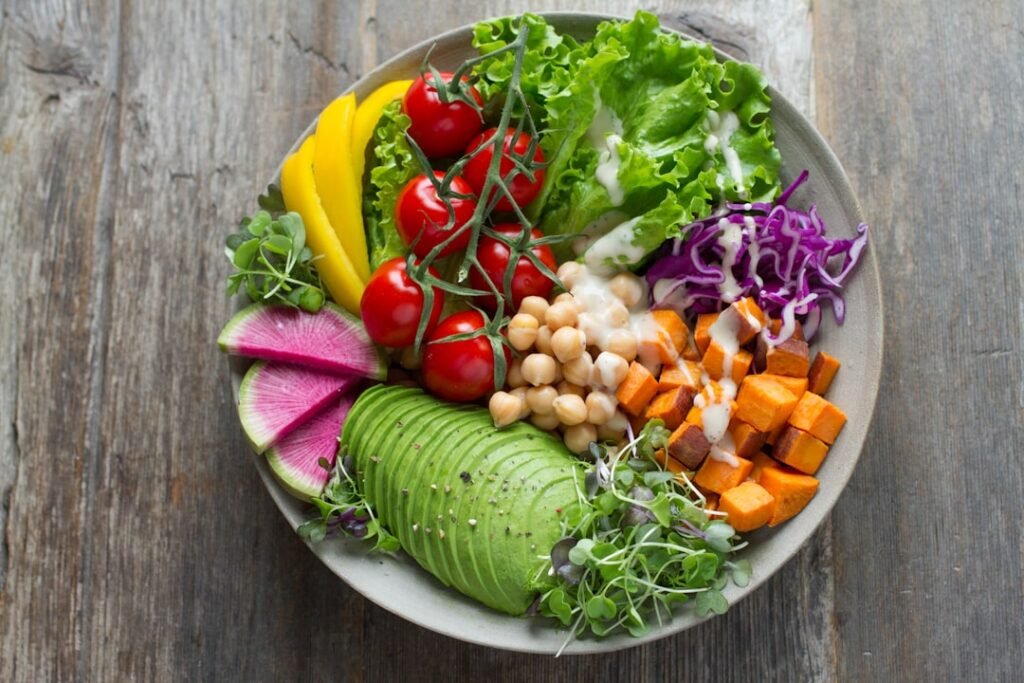
Vegetables are low in calories but high in volume and fiber. They physically fill your stomach, which triggers stretch receptors that send fullness signals to your brain. A plate that’s half vegetables contains far fewer calories than the same-sized plate of processed food – but feels equally satisfying.
The key is variety and preparation. Roasted vegetables (broccoli, cauliflower, zucchini, peppers) taste dramatically better than steamed ones. A bag of mixed greens with olive oil and lemon is faster than most processed snacks. Make vegetables easy to access and they become the default choice.
3. Eliminate Liquid Calories First
Liquid calories are uniquely problematic for weight loss because they don’t trigger the same fullness response as solid food. A 350ml glass of orange juice has roughly the same calories as two oranges – but the juice takes 30 seconds to consume and leaves you no fuller, while two oranges take minutes to eat and genuinely satisfy hunger.
The biggest offenders: sugary drinks (juice, soda, energy drinks), flavored coffee drinks, alcohol, and smoothies made primarily from fruit. Replace them with water, sparkling water, black coffee, or tea. This single change eliminates 300 to 600 calories from many people’s daily intake without any feeling of deprivation.
4. Slow Down Your Eating Speed
Your stomach sends fullness signals to your brain with roughly a 20-minute delay. If you eat quickly, you can consume significantly more than you need before the signal arrives. Slower eating reduces total calorie intake at each meal without any conscious restriction.
Practical techniques: put your fork down between bites, chew each mouthful 15 to 20 times, drink water between bites, and eat without screens. People who eat while watching TV consistently eat more than people who eat without distraction – the research on this is remarkably consistent.
5. Plan Your Meals for the Week (Even Loosely)
Poor food choices are almost always made in a moment of hunger with no plan in place. When you arrive home hungry with no idea what’s for dinner, you order delivery. When you have a rough plan and ingredients available, you cook something reasonable.
You don’t need elaborate meal prep or precise menus. A rough plan of “Monday: stir-fry, Tuesday: eggs and salad, Wednesday: baked chicken” is enough to prevent the decision fatigue that leads to poor choices. Spend 10 minutes on Sunday mapping out 4 to 5 dinners and your eating during the week transforms.
6. Stop Eating When 80 Percent Full
This principle comes from Okinawa, Japan – home to one of the highest concentrations of centenarians in the world. They call it “Hara Hachi Bu” – eat until you’re 80 percent full. It sounds vague, but in practice it means stopping before you’re completely stuffed.
The 80 percent point is recognizable: you’re no longer hungry, but you’re not bloated or overly full. Because of the 20-minute delay in fullness signals, stopping at 80 percent actually means you’ll feel comfortably satisfied about 20 minutes later. If you wait until you’re 100 percent full before stopping, you’ll typically end up overfull.
7. Keep Healthy Snacks Visible and Processed Snacks Hidden
Your environment drives your behavior more than your willpower does. People eat what’s visible and accessible. In one study, office workers ate 46 percent more candy when it was placed in a transparent dish on their desk than when it was in an opaque container in a drawer.
Apply this to your kitchen: keep a bowl of fruit on the counter, pre-cut vegetables in a transparent container at eye level in the fridge, and nuts in a small bowl on the table. Move crisps, biscuits, and chocolate to high shelves or opaque containers. You’ll still eat them sometimes – but significantly less often.
Simple Meal Template for Weight Loss
| Meal | Structure | Example |
|---|---|---|
| Breakfast | Protein + fiber | Eggs + spinach + whole grain toast |
| Lunch | Protein + vegetables + small carb | Chicken + roasted veg + half cup rice |
| Dinner | Protein + vegetables + healthy fat | Salmon + broccoli + olive oil drizzle |
| Snack (if needed) | Protein or fiber | Greek yogurt or apple + almond butter |
These eating habits work best when combined with physical movement. If you’re new to exercise, our beginner morning workout routine at home is a perfect starting point that takes just 20 minutes and requires no equipment. For those targeting belly fat specifically, the combination of these nutrition habits with the strategies in our guide to losing belly fat without the gym produces the best results.
Frequently Asked Questions
Do I need to count calories to lose weight?
No. Calorie counting can be helpful, but the habits above create a natural calorie deficit without tracking. Most people find that consistently following 3 to 4 of these habits produces meaningful weight loss without ever tracking a single calorie.
What is the most important eating habit for weight loss?
Eating enough protein. It has the largest impact on hunger, metabolism, and body composition of any single dietary change. If you do nothing else, increase your protein intake at every meal and you’ll see results.
How quickly will I lose weight with these habits?
Results vary based on starting point and consistency. Most people see noticeable changes in 4 to 6 weeks when applying 5 or more of these habits consistently. Sustainable fat loss is typically 0.5 to 1 kg per week – anything faster usually involves muscle loss or is unsustainable.
Final Thoughts
These healthy eating habits for weight loss work because they address the root causes of overeating – hunger, poor food environments, eating too fast, and having no plan – rather than just restricting calories through willpower alone.
Pick two habits from this list and apply them consistently for two weeks before adding more. Building habits one at a time produces better long-term results than trying to change everything at once and burning out. Start simple, stay consistent, and the results will take care of themselves.