A stair climbing workout for beginners might be the most underrated piece of exercise equipment you already have access to. Every apartment block, office, stadium and public park seems to have a flight of stairs, and climbing them raises your heart rate, works your legs and glutes, and costs nothing. This guide gives you a simple, progressive plan you can follow in about 20 minutes, three days a week.
You will learn how to set up safely, how to climb with good form, and how to progress over six weeks from easy steady climbing to simple intervals. If you are brand new to exercise, it also helps to read our guide on how to start working out as a complete beginner alongside this one.

Why stair climbing is worth your time
Climbing stairs is a form of cardio exercise that also loads your legs against gravity. Each step asks your quadriceps, glutes, hamstrings and calves to lift your bodyweight, which is why a few flights can feel surprisingly hard even for people who walk regularly.
There are several practical reasons beginners like it:
- It is free and available almost everywhere. No membership, no equipment, no travel time.
- It is easy to scale. You control the pace, the number of flights and the rest between them.
- It is time efficient. Short bouts of climbing raise your breathing and heart rate quickly, so a 15 to 20 minute session can feel like a real workout.
- It builds lower-body strength. Stairs work similar muscles to lunges and step-ups, with a cardio component added.
Public health guidelines such as those from the CDC suggest adults aim for roughly 150 minutes of moderate-intensity activity per week, plus muscle-strengthening work on two or more days. Stair climbing can contribute to both. Results vary from person to person, so treat the plan below as a framework rather than a promise.
Before you start: safety and setup
Stairs are simple, but a few checks make them safer and more comfortable.
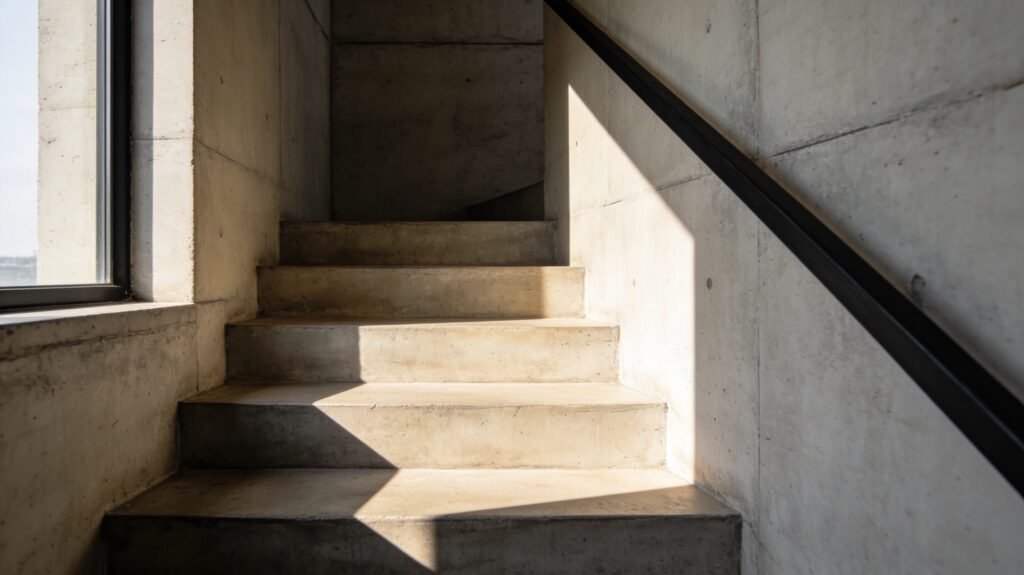
- Choose a safe flight. Look for even steps, good lighting, a sturdy handrail and no clutter. Indoor stairwells and public steps with a handrail are ideal.
- Wear supportive shoes. Flat, grippy trainers are better than slippery soles or open sandals.
- Warm up for 3 to 5 minutes. Walk around, do gentle leg swings and a few bodyweight squats before you climb.
- Plan your descent. Walking down is harder on the knees than going up. Take the lift or walk down slowly and deliberately, and use the handrail.
- Know when to check in first. If you have joint problems, heart or lung conditions, balance issues, are pregnant, or have been inactive for a long time, talk to a healthcare professional before starting.
Stop and rest if you feel dizzy, have chest pain or sharp joint pain. Those are signs to stop and seek advice rather than push on.
Stair climbing form: how to climb well
Good form makes stair climbing more effective and kinder to your joints. Keep these cues in mind on every flight:
- Place your whole foot on each step so your heel does not hang off the edge.
- Stand tall with your chest lifted and a slight forward lean from the hips, not a rounded back.
- Push through the middle of your foot and think about driving the step down with your glute and thigh.
- Keep your steps controlled instead of bounding up two at a time while you are still learning.
- Use the handrail for balance only. Gripping it and pulling yourself up reduces the work your legs do.
- Breathe steadily. You should be able to speak in short sentences during easy climbs.
A simple way to judge effort is the talk test. At a moderate pace you can talk but not sing. During harder intervals you can only manage a few words at a time.
The 6-week stair climbing plan
This plan assumes you can already walk comfortably for 20 minutes. Do three sessions per week with at least one rest day between them. A flight here means roughly 10 to 15 steps, or one normal floor of a building. If your staircase is shorter or longer, adjust the numbers so the effort feels right.
Weeks 1 and 2: learn the movement
- Warm up for 5 minutes.
- Climb 2 to 3 flights at an easy pace, then walk down slowly.
- Rest for 60 to 90 seconds at the bottom.
- Repeat for 4 to 6 rounds in total.
- Cool down by walking for 3 minutes and stretching your calves and thighs.
The goal is comfortable, steady effort. If you finish feeling like you could do more, that is exactly right for the first two weeks.
Weeks 3 and 4: add volume
- Warm up for 5 minutes.
- Climb 3 to 4 flights at a steady pace and walk down.
- Rest for 45 to 60 seconds.
- Repeat for 6 to 8 rounds.
- Add one day of gentle walking between sessions if you feel good.
You are increasing total work by a modest amount, in line with the common guideline of adding small increments instead of big jumps. Our article on how many steps per day you need can help you balance stairs with daily movement.
Weeks 5 and 6: introduce intervals
- Warm up for 5 minutes.
- Climb 1 flight at a brisk pace, then walk down slowly as your recovery.
- Climb 2 flights at a steady pace.
- Repeat this 1-flight brisk, 2-flight steady pattern for 6 to 8 rounds.
- Cool down for 5 minutes and stretch.
Brisk should feel challenging but controlled, around a 7 out of 10 effort. Do not sprint. Quality and safety matter more than speed.
A sample 20-minute session
Here is how a mid-plan session might look on a building with a typical stairwell:
- Minutes 0 to 5: easy walking, leg swings and 10 bodyweight squats.
- Minutes 5 to 15: climb 3 flights, walk down, rest about 45 seconds. Repeat 5 to 6 times.
- Minutes 15 to 18: two extra flights at a comfortable pace to finish.
- Minutes 18 to 20: slow walking, then calf, quad and hip flexor stretches.
Keep a short note after every session: how many flights, how hard it felt and how your legs felt the next day. Over several weeks that log shows your progress far better than the scale does. Tracking is also one of the habits we cover in how to build a workout habit that sticks.
Variations once climbing feels easy
After the six weeks you can keep the same structure and make it harder in small ways:
- Add flights. Increase your total by one or two flights every week or two.
- Shorten rests. Cut rest periods by 10 to 15 seconds.
- Climb with a light backpack. Start with a very light load and only if your balance and joints feel good.
- Try a step-up variation. Skip every second step for a longer stride, only on stairs that feel safe, to work the glutes harder.
- Use side-step climbs. Turn sideways to change the muscle emphasis, using the handrail for support.
Only change one variable at a time. If your knees or hips complain, go back to the previous step of the plan for a week.
Common beginner mistakes
- Going too hard on day one. Stairs are deceptively tiring. Start easier than you think you need to.
- Skipping the warm-up. Cold calves and hips are more likely to feel tight and sore.
- Leaning on the handrail. This takes work away from your legs and can strain your shoulders.
- Rushing the descent. Most stumbles happen on the way down. Slow and controlled wins.
- Training on consecutive days too early. Your legs adapt during rest, not during the climb.
Recovery, soreness and rest days
Mild muscle soreness in your thighs, glutes and calves is common after the first few sessions, especially the day after. It usually fades within a few days as your body adapts. Walking gently, stretching and drinking water can help you feel better, and sleep makes a large difference too.
Rest days are not wasted days. We explain why in our article on why rest days are essential for muscle building and fat loss. If soreness lasts longer than four or five days, or you have joint pain rather than muscle ache, reduce the volume and consider asking a healthcare professional or qualified trainer for advice.
If you want to mix stairs with other low-equipment cardio, try some of the ideas in the best cardio workouts for weight loss at home.
Frequently asked questions
Is stair climbing good for beginners?
Yes, as long as you start easy and keep the pace controlled. Stairs are low cost, easy to scale and use large leg muscles. Begin with a few flights, rest between rounds and increase gradually. If you have joint, heart or balance concerns, check with a healthcare professional first.
How long should a beginner climb stairs?
Aim for about 15 to 20 minutes including warm-up and cool-down, three times per week. That might be only 8 to 12 minutes of actual climbing, and that is enough. Add time or flights slowly over several weeks once the current volume feels comfortable.
Is stair climbing bad for your knees?
For many people it is fine, and it can build strength around the joint. But it does load the knees, especially going down. Use good form, wear supportive shoes and slow your descent. If you feel sharp or persistent knee pain, stop and seek advice from a healthcare professional.
Can stair climbing help with weight loss?
Stair climbing burns energy and can be one useful part of a routine, but weight change depends on your overall eating, sleep, activity and other factors. No single exercise guarantees a result. Think of stairs as a convenient way to build consistent movement habits.
Final thoughts
A stair climbing workout for beginners works because it is simple: find a safe staircase, warm up, climb at a steady pace and build gradually. Stick with the six-week plan, keep a note of each session and give yourself rest days. For more general guidance on activity levels, the NHS exercise guidelines are a helpful reference.
This article is general information and not medical advice. If you have a health condition, an injury or take medication, speak with a qualified healthcare professional before starting a new exercise programme.