A full body stretch routine is one of the easiest habits to add to your week. All you need is a mat, a bit of wall space, and about 15 minutes. This guide walks you through ten simple stretches that cover your neck, shoulders, back, hips, and legs, with clear hold times and tips for beginners who feel stiff.
You do not need to be flexible to start. Flexibility improves with gentle, regular practice, and the routine below is designed to feel comfortable from day one.
Why a Full Body Stretch Routine Is Worth 15 Minutes
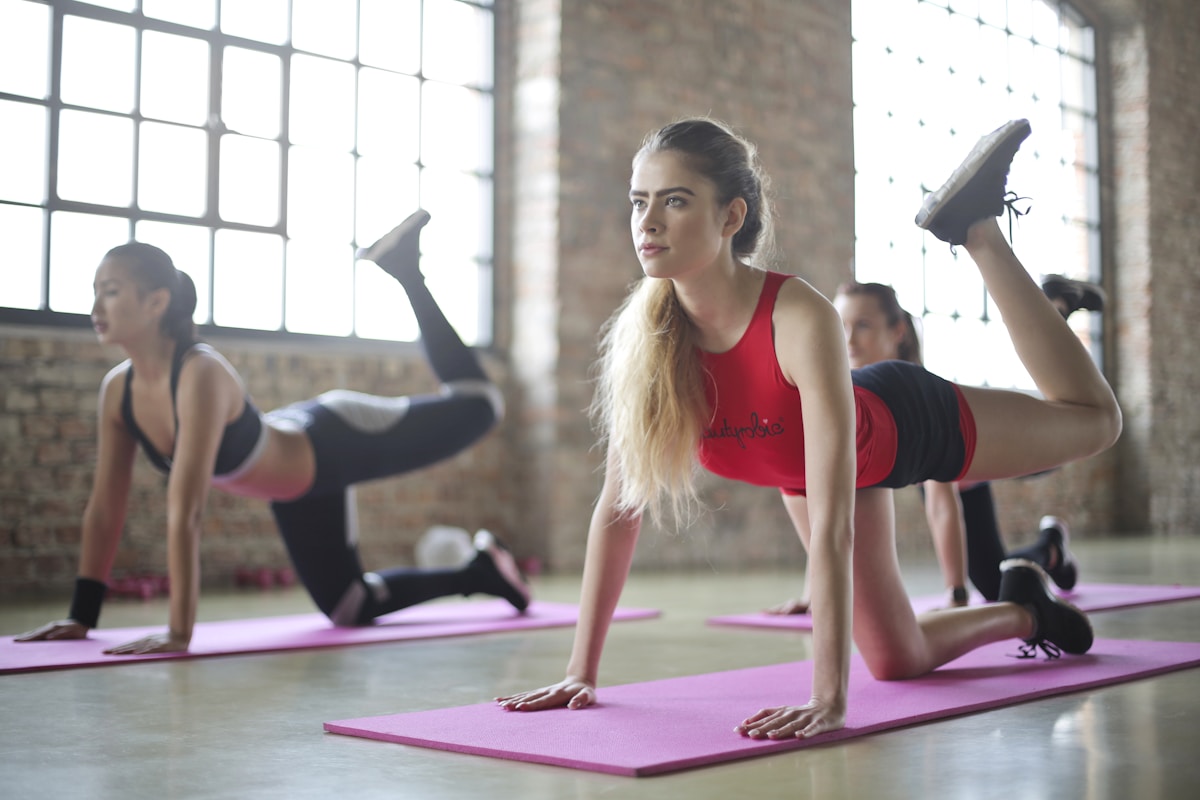
Many of us spend hours sitting at a desk, in a car, or on the couch. Over time that can leave the hips, chest, and shoulders feeling tight. A short daily stretching session gives those areas some attention and gives you a few minutes to slow down.
Here is what regular, gentle stretching may help with:
- Range of motion: Stretching a few times a week is commonly linked with a gradual improvement in how far your joints can move.
- Comfort: Many people find that tight hips, shoulders, and backs feel looser after a short routine.
- Relaxation: Slow breathing while you hold each position can help you wind down, especially in the evening.
- Consistency: Fifteen minutes is small enough that most beginners can actually stick with it.
It is worth being realistic. The research on whether stretching prevents injuries or eliminates muscle soreness is mixed, so think of it as one helpful habit alongside strength work, walking, sleep, and good nutrition rather than a cure-all. The Mayo Clinic offers a practical overview of stretching basics, including warming up first and avoiding bouncing.
Before You Start: Warm Up and Stay Safe
Stretching cold muscles is uncomfortable and not very effective. Spend three to five minutes moving first. Marching on the spot, arm circles, gentle hip circles, or an easy walk around the house will all do the job. You should feel slightly warmer, not tired.
Keep these safety rules in mind throughout the routine:
- Stretch to a point of gentle tension, never sharp or pinching pain.
- Do not bounce. Ease into each position and hold it steady.
- Breathe slowly. If you are holding your breath, ease off a little.
- Stop any stretch that causes numbness, tingling, or joint pain.
If you have an injury, a medical condition, are pregnant, or have recently had surgery, check with a doctor or physiotherapist before starting. The NHS has helpful general guidance on getting started with exercise.
The 10 Stretches in Your 15-Minute Routine
Hold each stretch for roughly 30 seconds per side. For moves that work both sides at once, hold for 45 to 60 seconds. Work from the top of the body to the bottom, and allow a few seconds between stretches to reset. Ten stretches at this pace fit comfortably into about 15 minutes.
1. Neck Side Tilt
Sit or stand tall with your shoulders relaxed. Slowly tilt your right ear toward your right shoulder until you feel a gentle pull along the left side of your neck. Hold for 30 seconds, then switch sides. Keep the opposite shoulder dropped away from your ear, and never pull on your head with your hand.
2. Cross-Body Shoulder Stretch
Bring your right arm across your chest at shoulder height. Use your left hand to hold it gently just above the elbow. You should feel a stretch across the back of the shoulder. Hold for 30 seconds per side and keep your shoulders level rather than shrugging.
3. Doorway Chest Stretch
Stand in a doorway and place your forearm against the frame with your elbow bent at about shoulder height. Step forward slowly until you feel a stretch across the front of your chest. Hold for 30 seconds per side. This one is especially useful if you spend a lot of time hunched over a laptop or phone.
4. Cat-Cow
Start on your hands and knees with hands under shoulders and knees under hips. Inhale as you let your belly drop and lift your chest, then exhale as you round your back toward the ceiling. Move slowly between the two shapes for about 45 to 60 seconds. This warms up the whole spine in a gentle way.
5. Child’s Pose
From hands and knees, sit your hips back toward your heels and reach your arms forward along the floor. Rest your forehead down and breathe into your back. Hold for 45 to 60 seconds. If your hips do not reach your heels, place a cushion between them for support.
6. Kneeling Hip Flexor Stretch
Kneel on your right knee with your left foot forward, using a folded towel under the knee for comfort. Tuck your tailbone under slightly and shift your weight forward until you feel a stretch at the front of your right hip. Hold for 30 seconds per side. Tight hip flexors are very common after long periods of sitting.
7. Seated Figure-Four Glute Stretch
Sit on the floor or a chair and cross your right ankle over your left knee. Sit tall and hinge forward from the hips until you feel a stretch in your right buttock. Hold for 30 seconds per side. If this feels too intense, lie on your back and perform it with your feet on the floor instead.
8. Seated Hamstring Stretch
Sit with one leg extended and the other foot resting against your inner thigh. Reach gently toward your extended foot with a long, flat back, keeping a soft bend in the knee if you need it. Hold for 30 seconds per side. Aim for a mild pull behind the thigh rather than touching your toes.
9. Wall Calf Stretch
Stand facing a wall with your hands on it. Step one foot back, keeping the heel on the floor and the leg fairly straight, then lean forward until you feel a stretch in the calf. Hold for 30 seconds per side. Your calves work hard all day, so this one often feels especially good after walking or running.
10. Lying Spinal Twist
Lie on your back, hug both knees toward your chest, then let them fall gently to one side while your shoulders stay on the floor. Turn your head the opposite way if it feels comfortable. Hold for 30 to 45 seconds per side, breathing slowly. It is a calm way to finish the routine.
How to Fit the Routine Into Your Week
For most beginners, three to four sessions per week is a sensible starting point. You can also do the routine daily if it feels good, since the intensity is low. The best time is whenever you will actually do it.
- Morning: A short session can ease out stiffness from sleep. If you like a slightly longer start to the day, try these morning yoga stretches.
- After a workout: Your muscles are already warm, so you can skip the separate warm-up.
- Evening: Slow stretching before bed can be a relaxing way to switch off from the day.
Linking the routine to something you already do, such as after brushing your teeth or right after a walk, makes it far easier to remember. For more ideas on making new routines stick, see this guide on how to build a workout habit that sticks.
Common Stretching Mistakes to Avoid
A few simple errors can make a stretch routine less comfortable or less useful. Watch out for these:
- Pushing into pain. Stretching should feel like mild tension, not sharp discomfort.
- Bouncing. Quick bouncing movements can make muscles tighten up rather than relax.
- Holding your breath. Slow, steady breathing helps your body settle into each position.
- Rushing. Racing through the list in five minutes misses the point. Give each position its time.
- Comparing yourself to others. Your range of motion depends on your body, history, and daily habits. Progress is measured against your own starting point.
A Simple 4-Week Plan for Beginners
If you are new to stretching, build up gradually. This plan is a suggestion and can be adjusted to how you feel.
- Week 1: Do the routine three times, holding each stretch for around 20 seconds. Focus on learning the positions.
- Week 2: Do it three or four times, holding for around 30 seconds. Notice which areas feel tightest.
- Week 3: Add a fourth session if you feel good. Spend an extra round on your two tightest areas.
- Week 4: Keep a steady rhythm and check in with yourself. Do you move more easily when you get out of a chair or tie your shoes?
Tracking how you feel, rather than how far you can reach, is a more useful measure of progress. If your lower back is the area that bothers you most, this lower back stretching routine is a good companion. And if you train regularly, pair stretching with proper rest, as explained in why rest days are essential.
Frequently Asked Questions
How long should I hold each stretch?
For most people, 20 to 30 seconds per side is a good starting point, and some people work up to around 60 seconds. Hold the position at a gentle level of tension and breathe slowly. If the stretch becomes painful, ease off or stop. Consistency over several weeks matters more than holding any single stretch for a long time.
How often should I do a full body stretch routine?
Three to four times per week works well for most beginners, and many people are comfortable doing a gentle routine daily. Because this routine is low intensity, it can fit around other workouts. Listen to your body, and reduce the frequency if you notice any lingering soreness or irritation in a particular area.
Should I stretch before or after exercise?
Both can work. Before a workout, a short warm-up with gentle movement is usually more useful than long static holds. After a workout, your muscles are warm, which many people find makes static stretching more comfortable. Choose whichever timing helps you stay consistent, and always begin with a few minutes of easy movement.
Can stretching help with back pain or stiffness?
Gentle stretching and regular movement help some people feel less stiff, but results vary and stretching is not a treatment for any medical condition. If you have ongoing or severe back pain, or pain that spreads into your legs, speak with a doctor or physiotherapist before continuing, and stop any stretch that makes symptoms worse.
Final Thoughts
A 15-minute full body stretch routine will not transform your body overnight, but it is a low-effort habit that can leave you feeling looser and calmer. Start gently, stay within a comfortable range, and keep the routine regular for a few weeks before judging how it feels.
Pair it with walking, some strength training, and enough sleep for a well-rounded approach to feeling better in your body. This article is general information and not medical advice, so consult a healthcare professional if you have any health concerns.