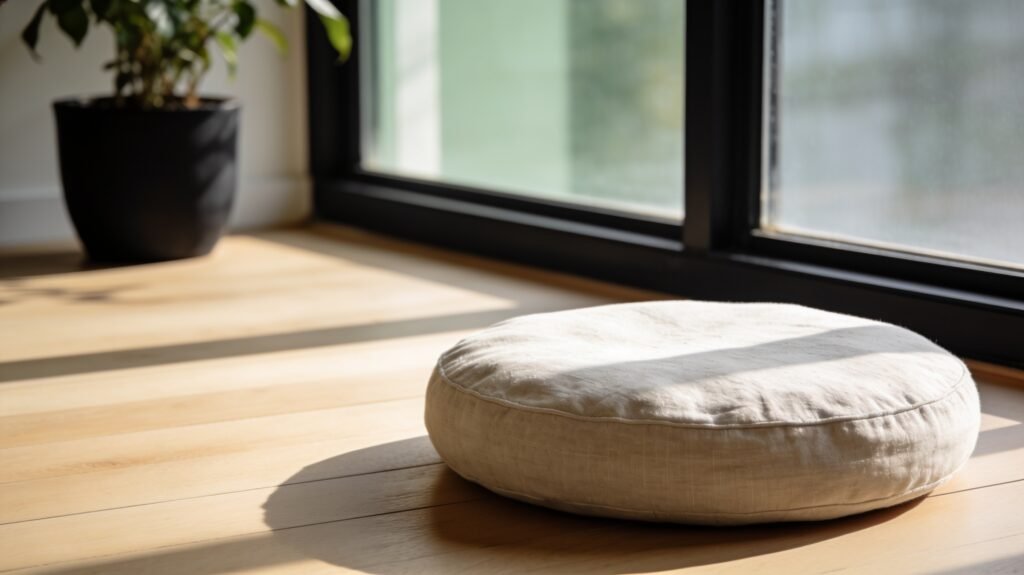
If you want to learn how to meditate for beginners, the good news is that you do not need incense, a special cushion, or a perfectly quiet mind. You need about ten minutes, a calm corner, and a simple method you can repeat daily. This guide walks you through a plain 10-minute daily practice, what to expect along the way, the mistakes that trip most people up, and a four-week plan to make the habit stick.

What Meditation Is (and What It Is Not)
Meditation is simply attention training. You choose an anchor, such as your breath, notice when your mind wanders off, and gently bring it back. That return is the repetition, in the same way a curl is one repetition for your biceps. Nothing has gone wrong when your mind wanders; noticing that it wandered is the exercise.
It is not about stopping your thoughts, reaching a blissful state, or sitting in a flawless pose. Many beginners quit in the first week because they decide they are bad at it. In reality, catching yourself drifting is a sign that you are doing it correctly.
Why Try a 10-Minute Daily Practice
Research on mindfulness-based practices suggests they may help some people feel less stressed, sleep a little better, and handle everyday pressure more calmly. Results vary from person to person, and meditation is not a treatment for any medical condition. The National Center for Complementary and Integrative Health explains the current evidence in plain language in its overview of meditation and mindfulness.
Ten minutes is a practical sweet spot. It is long enough to settle and practise returning to your anchor many times, yet short enough to fit before a shower or after lunch. Studies use a wide range of session lengths, so there is no magic number, and consistency matters more than duration. For people who exercise, the habit may also bring a few handy side benefits:
- A calmer pre-workout mindset. A couple of quiet minutes can help you arrive at training focused rather than rushed.
- Better body awareness. Paying attention on purpose helps many people notice tension, tiredness, and early warning signs sooner.
- A wind-down tool. A short evening session may make it easier to switch off, which supports the sleep your training depends on.
What You Need Before You Start
You need very little. Set yourself up once and the practice gets easier to repeat:
- A quiet spot. A corner of the bedroom or living room is fine. It does not need to be silent, only reasonably calm.
- A timer. Use your phone with notifications switched off, so you are not watching the clock.
- A comfortable seat. A chair with both feet flat on the floor works perfectly. A cushion or folded blanket on the floor is optional, not required.
- Loose, comfortable clothing. Anything that does not pinch or distract you.
- A consistent time. Attach the practice to something you already do every day. Our guide to a healthy morning routine for mind and body shows where a short session can fit.
Your 10-Minute Meditation, Step by Step
Read through the steps once, then set your timer for ten minutes and follow along from memory. You do not need to be precise with the timings; they simply give the session a shape.
Minutes 0 to 1: Settle In
Sit upright but relaxed, with your spine tall and your shoulders loose. Rest your hands on your thighs. Close your eyes, or let your gaze rest softly on the floor a metre or so in front of you. Take two slow breaths in through the nose and out through the mouth, letting your shoulders drop on each exhale.
Minutes 1 to 3: Find Your Breath
Let your breathing return to its natural rhythm. Do not try to control it. Simply notice where you feel it most clearly: the cool air at your nostrils, your chest rising, or your belly expanding. Choose one spot and rest your attention there. This is your anchor for the rest of the session.
Minutes 3 to 8: Count and Return
Silently count each exhale, from one up to ten, then start over. When you lose count or notice you are planning dinner, that is completely normal. Quietly label it as thinking, then start again from one. Be kind about it; there is no score. This stretch is the core of the practice, and you will probably repeat the return many times.
Minutes 8 to 10: Open Up and Finish
Stop counting and just rest with the breath for a minute. Then widen your attention to include the sounds around you and the feeling of your body in the chair. When the timer sounds, wiggle your fingers and toes, take a deeper breath, and open your eyes slowly. Take a moment before jumping back into your day.
Three Simple Techniques to Try Once You Are Comfortable
Breath counting is a great starting point, but it is not the only option. If it feels dull after a few weeks, rotate in one of these:
- Body scan. Move your attention slowly from your toes to the top of your head, noticing sensations without trying to change them. It tends to suit people who find breath focus hard.
- Noting. Silently label what pulls your attention, for example sound, thought, or itch, then return to the breath. It trains you to notice distractions earlier.
- Walking meditation. Walk slowly for ten minutes, paying attention to the feeling of each footstep. It is useful if sitting still feels uncomfortable.
Common Mistakes Beginners Make
- Expecting a blank mind. A busy mind is normal, even for experienced practitioners. The skill is coming back, not staying away.
- Judging each session. Some days feel calm and others feel chaotic. Both count. Avoid rating yourself.
- Trying too hard. Clenching your jaw or forcing your breath adds tension. Aim for relaxed attention.
- Starting too long. Jumping straight to 30 minutes often ends in burnout. Start small and build.
- Waiting for the perfect moment. There is rarely a perfect time. A slightly noisy ten minutes beats a perfect session that never happens.
A Four-Week Plan to Build the Habit
Habits form through repetition, so make the first weeks easy. A gentle ramp keeps the practice from feeling like another chore. If you want more ideas on building routines that last, see our guide on how to build a workout habit that sticks, since the same principles apply.
- Week 1: Five minutes a day, at the same time. Focus only on showing up.
- Week 2: Seven minutes a day. Add the counting technique if you have not already.
- Week 3: The full ten minutes. Notice how it feels to settle in at the start.
- Week 4: Ten minutes, plus try one new technique from the list above for a few sessions and see which suits you.
If you miss a day, simply continue the next day. Dropping the all-or-nothing mindset is what keeps people going; our tips on how to stay motivated to exercise apply just as well here.
How Meditation Fits Into a Fitness Routine
Meditation sits comfortably alongside training. Some people use two or three quiet minutes before a session to set an intention and settle nerves. Others use a short seated practice after a workout as part of the cooldown while their breathing returns to normal.
It can also support recovery habits. Quiet time in the evening may make winding down easier, which pairs well with the sleep habits that support fitness and weight loss. If you enjoy gentle movement, a beginner yoga routine for flexibility and stress relief combines breath awareness with stretching and makes a natural companion to seated practice.
When to Take Extra Care
For most people meditation is gentle, but sitting quietly with your thoughts can sometimes bring up difficult emotions. If you have a history of trauma, anxiety, depression, or another mental health condition, or you take medication, talk with a healthcare professional or a qualified teacher before starting a new practice, and stop if it feels distressing. The Mayo Clinic offers a helpful general introduction to meditation if you want to read more.
Frequently Asked Questions
Is 10 minutes of meditation enough for beginners?
For most beginners, yes. Ten minutes is long enough to settle your attention and practise returning to your anchor many times, yet short enough to repeat every day. Research uses a wide range of session lengths, so there is no magic number. Regular short sessions are generally easier to sustain than occasional long ones.
What is the best time of day to meditate?
The best time is the one you will actually keep. Many people prefer the morning because the day has not yet filled up, while others like a short session after work to switch off. Pick a consistent time and attach it to something you already do, such as your morning coffee or brushing your teeth.
What should I do if my mind keeps wandering?
Nothing is wrong; that is the practice. When you notice your mind has drifted, quietly label it as thinking and return to your breath. Each return counts as one repetition, much like a rep in the gym. Over weeks you may notice you catch the drift a little sooner, but expect some wandering to continue.
Can I meditate lying down?
You can, but beginners often fall asleep. If you are meditating specifically to wind down before bed, lying down is fine. For daytime practice, sitting upright in a chair or on a cushion helps you stay alert. Choose the position that keeps you comfortable and awake enough to notice your breath.
Final Thoughts
Learning how to meditate is less about technique and more about turning up. Ten minutes, the same time each day, one simple anchor, and a friendly attitude when your mind wanders is all a beginner needs. Start with five minutes tomorrow, follow the four-week plan, and adjust as you learn what suits you.
This article is for general information only and is not medical or mental health advice. If you have a health condition or concerns about your wellbeing, speak with a qualified healthcare professional.