The most effective changes to how you eat are often the smallest ones. If you are looking for simple nutrition habits that you can keep up without counting every calorie or cutting out entire food groups, this guide is for you. Below are five practical habits, each with easy ways to start this week.
None of these habits require a strict plan, special products, or a lot of cooking skill. They are designed for busy beginners who want to feel better about food rather than feel restricted by it.
Why Simple Nutrition Habits Beat Diets
Many diets work on paper but fall apart in real life. They tend to rely on willpower, rigid rules, and foods you may not enjoy. When life gets busy, the plan is the first thing to go, and many people end up feeling like they failed.
Habits work differently. A habit is a small action you repeat until it becomes automatic, like drinking a glass of water with breakfast or adding a vegetable to dinner. Small habits are easier to stick with, and over months they can add up to a meaningful change in the way you eat.
A few principles make all five habits below easier to adopt:
- Start with one. Pick the habit that feels easiest and practise it for two weeks before adding another.
- Add before you subtract. Focus on what you can add to your plate rather than what you must remove.
- Aim for most of the time. Eating well 80 percent of the time is a realistic target. Perfect is not required.
- Make it easy. Keep helpful foods visible and within reach, and make the habit part of something you already do.
The NHS Eatwell Guide gives a useful picture of what a balanced diet looks like. You can find it on the NHS website, and it is a good reference as you build your habits.
1. Build Your Plate Around Protein and Plants
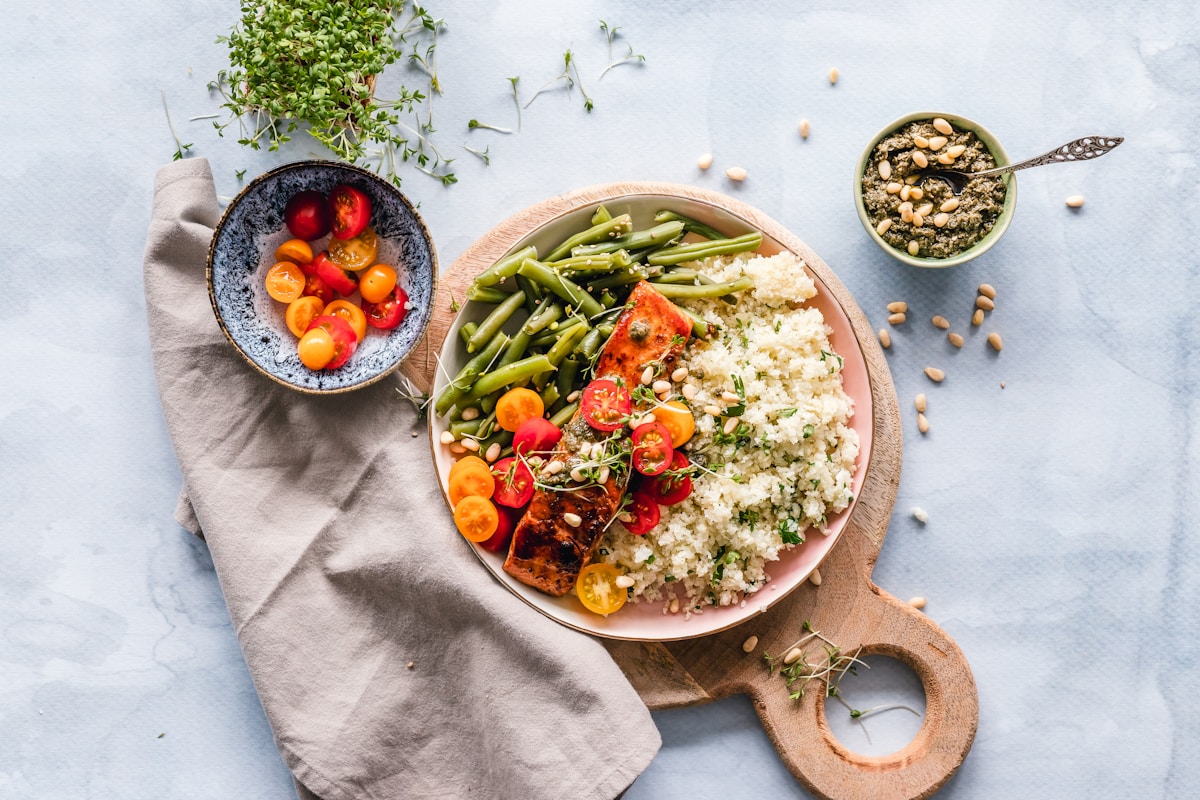
The first habit is a simple visual rule. At most meals, aim to include a source of protein and at least one or two servings of vegetables or fruit. Add a carbohydrate source such as rice, potatoes, oats, or wholegrain bread, plus a little healthy fat.
Protein can help you feel full for longer after meals, which many people find makes it easier to avoid constant snacking. Good options include eggs, Greek yoghurt, fish, chicken, beans, lentils, tofu, and cottage cheese. Vegetables add volume, fibre, vitamins, and variety without making meals complicated.
How to start:
- Add an egg, yoghurt, or other protein source to breakfast.
- Fill about half your lunch and dinner plate with vegetables or salad.
- Keep frozen vegetables in the freezer for quick, low-effort additions.
For ideas, see our guide to high protein foods and this list of foods high in fiber.
2. Drink Water Through the Day
Fluids matter for how you feel, and many people reach for a snack when they are simply thirsty or tired. Making water your default drink is one of the easiest nutrition habits to start because it needs no preparation at all.
How much you need depends on your size, activity, and the weather, so there is no single perfect number. A practical guide is to drink regularly through the day and check that your urine is pale yellow. The Mayo Clinic has a helpful overview of how much water you need.
How to start:
- Have a glass of water when you wake up and with each meal.
- Carry a reusable bottle so water is always within reach.
- If plain water feels dull, try adding lemon, cucumber, or mint, or choose sparkling water.
- Replace one sugary drink per day with water or an unsweetened alternative.
If you have a medical condition that affects your fluid needs, ask your doctor what is right for you.
3. Eat Regular Meals and Slow Down
Skipping meals and then eating quickly in front of a screen is a common pattern. It can leave you ravenous in the evening and less aware of how much you are eating. A steady rhythm of meals, with a snack if you need one, tends to make food choices easier.
Eating more slowly gives your body time to signal that it is full. You do not need to follow strict rules. A few small adjustments are enough.
How to start:
- Aim for three regular meals, with a planned snack if you go more than four or five hours between them.
- Sit down to eat, and put your phone away for at least one meal a day.
- Put your fork down between bites, and pause halfway through to check how hungry you still feel.
- Notice flavour and texture. Enjoying your food is part of eating well.
This habit is about awareness, not restriction. If you have a history of disordered eating, work with a qualified professional rather than self-monitoring your meals.
4. Plan Ahead With Simple Prep
Most poor food choices happen when we are hungry, tired, and have nothing ready. A little planning removes that pressure. You do not need to prepare every meal for the week. Even a few prepared building blocks can make a real difference.
How to start:
- Choose two or three easy dinners for the week and write a short shopping list.
- Cook a batch of a staple such as rice, roasted vegetables, or grilled chicken on a free evening.
- Keep quick backup options on hand, such as tinned beans, eggs, wholegrain wraps, and frozen meals with vegetables.
- Wash and chop fruit and vegetables so they are ready to grab.
If you want a step-by-step approach, our beginner meal prep guide shows how to prepare a week of meals in about 90 minutes. If you train regularly, you may also like this guide on what to eat before and after a workout.
5. Protect Your Sleep and Manage Stress
Sleep and stress are not strictly nutrition, but they influence what and how much we eat. After a short night, many people notice stronger cravings for sugary or high-energy foods and less energy to cook. Stress can also push people toward comfort eating.
Small improvements here can make every other habit easier. Most adults do best with roughly seven to nine hours of sleep, though needs vary from person to person.
How to start:
- Keep a consistent bedtime and wake time as often as you can.
- Try to finish large meals a couple of hours before bed.
- Limit caffeine later in the day if you find it affects your sleep.
- Build in a short daily stress reliever, such as a walk, stretching, or a few minutes of slow breathing.
For more detail, read our guide to sleep habits for fitness and weight loss.
How to Put These Habits Into Practice
Do not try to change everything at once. A gradual approach is more likely to last. Here is a simple way to introduce all five over about two months:
- Weeks 1 and 2: Focus only on water through the day.
- Weeks 3 and 4: Add the plate habit by including protein and vegetables at your main meals.
- Weeks 5 and 6: Introduce regular meals and slowing down.
- Weeks 7 and 8: Add simple planning and prep, and keep an eye on sleep.
If you slip up, simply carry on with your next meal. One missed day does not undo your progress. Over time, the habits become part of how you live rather than a project you have to manage.
Frequently Asked Questions
Can I eat well without following a diet?
Yes. Many people improve their eating by focusing on a few repeatable habits, such as including vegetables, drinking water, and eating regular meals, rather than following a strict plan. These habits build a base you can adjust over time. If you have a health condition or specific dietary needs, speak with a registered dietitian or doctor.
How long does it take to form a new nutrition habit?
There is no fixed number of days. Research on habit formation suggests it can take anywhere from a few weeks to several months, depending on the person and the habit. Starting with one small change, repeating it in the same situation each day, and being patient with yourself makes it more likely to stick.
Do I need to count calories to eat healthily?
Not necessarily. Counting can be useful for some people, but many beginners do well by focusing on food quality, portion awareness, and regular meals. If you are unsure about your needs, particularly for weight goals or medical reasons, a registered dietitian can give personalised guidance that is right for you.
What should I do if I have a bad eating day?
Treat it as a normal part of life, not a failure. Return to your usual habits at the next meal rather than trying to make up for it by skipping food or eating very little. Consistency over weeks matters far more than any single day, so keep your focus on the overall pattern.
Final Thoughts
Simple nutrition habits will not change your life overnight, but they are a reliable way to build a better relationship with food. Choose one habit, practise it until it feels natural, then add the next.
This article is general information and is not medical or dietary advice. If you have a health condition, take medication, are pregnant, or have concerns about your eating, please talk with a doctor or registered dietitian before making major changes.