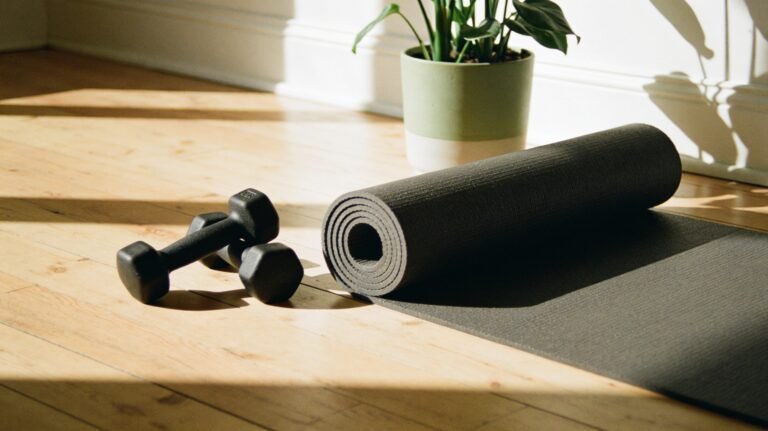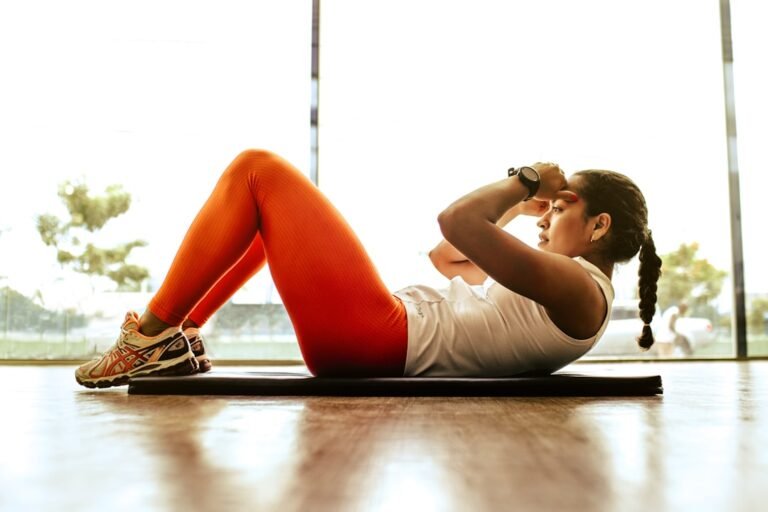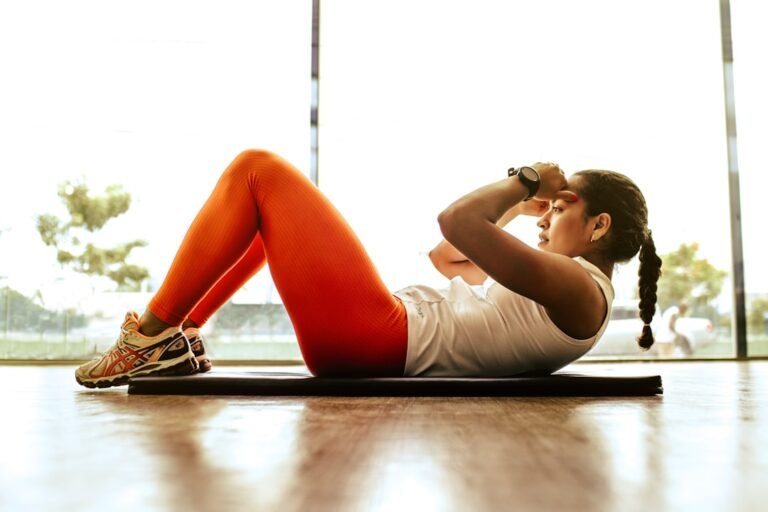
A bodyweight workout for complete beginners at home is one of the simplest ways to start exercising. You do not need a gym membership, a rack of dumbbells, or a free afternoon. You need a little floor space, comfortable clothes, and about 20 minutes. This guide walks you through the best starter exercises, a realistic 4-week plan, and the mistakes that trip up most newcomers.
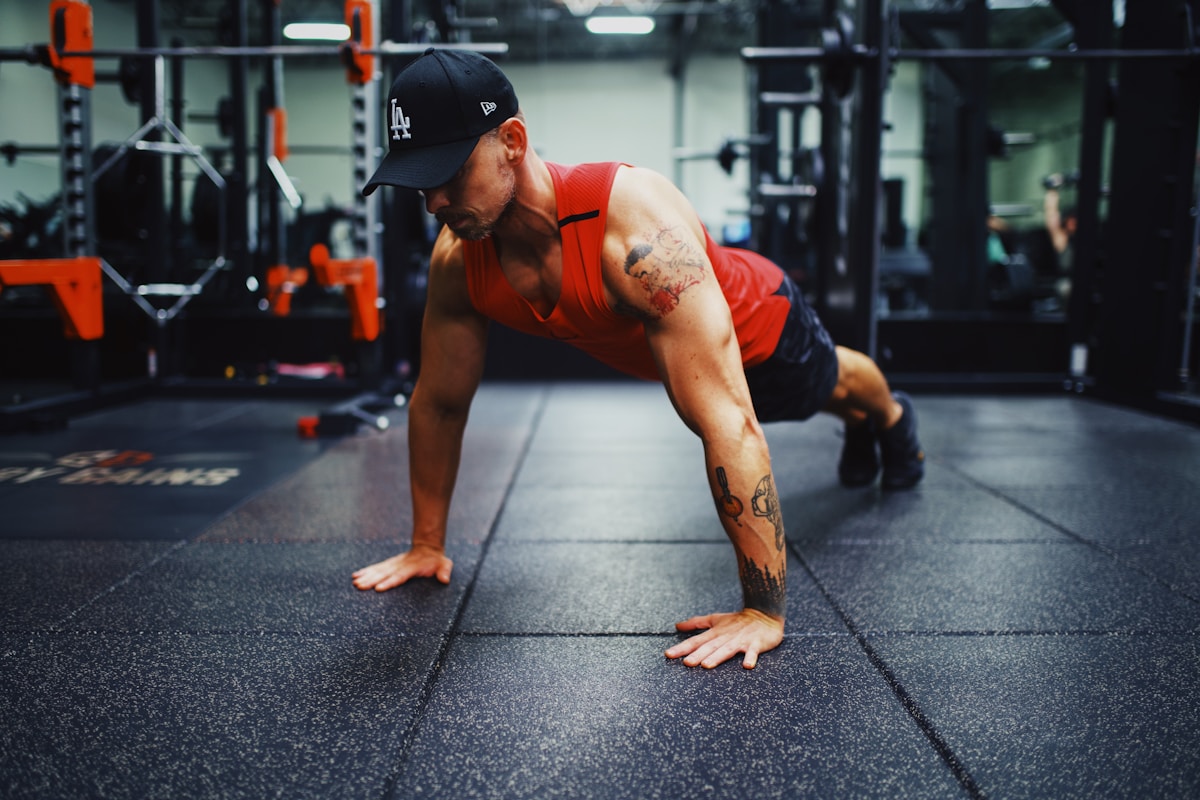
Whether you have never exercised or you are coming back after a long break, the goal here is the same: learn good movement, build a routine, and let your body adapt at a sensible pace. Nothing in this article is a promise of specific results, because every body responds differently. What it does offer is a clear, safe starting point.
\nWhat Is a Bodyweight Workout?
Bodyweight training means using your own body as the resistance. Squats, push-ups, planks, and lunges all fall into this category. Instead of adding plates to a bar, you change the angle, the tempo, or the number of repetitions to make an exercise easier or harder.
This makes it ideal for beginners. Movements are natural, the learning curve is gentle, and you can adjust almost any exercise to match your current strength. A wall push-up and a full push-up train the same basic pattern, just at very different levels of difficulty.
Public health guidance, such as the NHS physical activity guidelines, recommends that adults include strengthening activities that work all major muscle groups on at least two days a week. Bodyweight sessions at home are an easy way to meet that suggestion.
Benefits for Complete Beginners
Starting at home removes many of the common barriers to exercise. Here is why many beginners find it a good fit:
- No cost or equipment. You can begin today with what you already own.
- Privacy and comfort. Nobody is watching while you learn the movements, which can make it easier to stay relaxed.
- Flexibility with time. A short session fits before work, during a lunch break, or while dinner cooks.
- Easy to scale. Every exercise has an easier and a harder version, so you can keep progressing.
- Supports general fitness. Regular strength work is associated with better muscle strength, balance, and everyday movement, though individual results vary.
If you are also interested in building a sustainable routine beyond the first month, our guide to building a workout habit that sticks pairs well with this plan.
Before You Start: Setup and Safety
A few minutes of preparation make your first sessions safer and more enjoyable. You do not need much.
Create a small workout space
Clear an area roughly the size of a yoga mat. Choose a non-slip surface, or place a mat or folded towel on the floor. Make sure you have room to lie down and extend your arms and legs without hitting furniture.
Warm up first
Spend five minutes on gentle movement: march in place, roll your shoulders, swing your arms, and do a few slow bodyweight squats to the depth that feels comfortable. A warm-up raises your body temperature and rehearses the patterns you are about to use.
Know when to check with a professional
If you have a medical condition, are pregnant, are recovering from an injury, or take medication that affects your heart rate or balance, speak with a doctor or physiotherapist before starting a new exercise programme. Stop any exercise that causes sharp pain, dizziness, chest discomfort, or unusual shortness of breath, and seek medical advice if symptoms persist. Muscle tiredness is normal; pain that feels wrong is not.
The 8 Best Bodyweight Exercises for Beginners
These eight movements cover your legs, chest, back, shoulders, and core. Learn them slowly. Quality of movement matters far more than speed or repetition count.
Bodyweight Squat
Stand with feet about shoulder-width apart and toes turned slightly out. Push your hips back and bend your knees as if sitting into a chair, keeping your chest tall and your heels on the floor. Lower as far as feels comfortable, then press through your whole foot to stand. If balance is tricky, hold a counter or sit down to a sturdy chair and stand back up. Aim for 8 to 12 repetitions.
Incline or Wall Push-Up
Place your hands on a wall, kitchen counter, or sturdy table, slightly wider than your shoulders. Keep your body in a straight line from head to heels, bend your elbows to lower your chest toward the surface, then press away. The higher the surface, the easier the move. Over the weeks, move to a lower surface, then to your knees, and eventually to the floor.
Glute Bridge
Lie on your back with knees bent and feet flat on the floor, hip-width apart. Squeeze your glutes and lift your hips until your body forms a line from shoulders to knees. Pause for a second, then lower slowly. This is a gentle way to learn to use your glutes and supports the hips without loading the lower back heavily.
Reverse Lunge
Stand tall, step one foot back, and lower until both knees bend comfortably. Keep most of your weight on the front leg, then push back up to standing. Stepping backward is usually friendlier on the knees than stepping forward. Hold a chair or wall for support if needed. Complete 6 to 10 repetitions per side.
Plank (Knees or Toes)
Rest on your forearms with elbows under your shoulders. Keep your body in a straight line and your neck relaxed. Beginners can start on their knees. Hold for 10 to 20 seconds, rest, and repeat. Focus on breathing steadily instead of chasing long holds.
Bird Dog
Start on hands and knees. Extend one arm forward and the opposite leg backward while keeping your hips level and your spine neutral. Hold briefly, return, and switch sides. This move trains coordination and core stability in a low-impact way.
Superman Hold
Lie face down with arms extended in front of you. Gently lift your arms and legs a few centimetres off the floor, hold for a couple of seconds, and lower. It strengthens the muscles along the back of your body, which often get neglected when we sit for long periods.
Standing Calf Raise
Stand tall with your hands on a wall for balance. Rise onto the balls of your feet, pause, then lower under control. It is simple, joint-friendly, and a good way to build lower-leg strength for walking and running.
Want a different style of session once you are comfortable? Try our 20-minute home workout for beginners or explore the full body calisthenics workout when you are ready for more challenge.
Your 4-Week Beginner Plan
Use this plan as a template, not a rulebook. If a week feels too hard, repeat it. If it feels easy and your form stays clean, move on. Rest at least one day between sessions at first.
Week 1: Learn the movements
Train two days this week. Choose five exercises, such as squat, incline push-up, glute bridge, plank on knees, and bird dog. Do one or two rounds of 6 to 8 repetitions, resting about a minute between exercises. The goal is technique and comfort.
Week 2: Build consistency
Train two or three days. Add the reverse lunge and calf raise. Complete two rounds of 8 to 10 repetitions. Hold the plank for 10 to 15 seconds. Notice which movements feel unfamiliar and give them extra attention.
Week 3: Add a little volume
Train three days if recovery allows. Do two to three rounds of all eight exercises, aiming for 10 to 12 repetitions where your form stays solid. Shorten rest to 45 seconds if that feels manageable.
Week 4: Test and reflect
Repeat week 3, then on your last session see how many clean repetitions you can do of squats and incline push-ups, and how long you can hold a plank. Compare these with your week 1 notes. Progress may look like better balance, smoother form, or less tiredness, not only bigger numbers.
A quick note on consistency: a short, regular session beats an occasional marathon. Many people find that two to four sessions per week of 15 to 30 minutes is a realistic range to maintain.
Common Mistakes to Avoid
- Doing too much too soon. Excessive soreness that lasts several days is a sign to scale back.
- Rushing repetitions. Slow, controlled movement builds skill and keeps joints happier.
- Skipping the warm-up. Five minutes is enough to feel the difference.
- Holding your breath. Breathe out as you push or stand, breathe in as you lower.
- Ignoring rest days. Your body adapts between sessions, not during them.
- Comparing yourself to others. Social media rarely shows anyone’s first week.
Recovery and Nutrition Basics
Training is only half the picture. Sleep, rest days, and food all influence how you feel and how well you adapt. Our article on why rest days are essential explains how recovery fits into a balanced routine.
For eating, think simple: include a source of protein at most meals, add plenty of vegetables and fruit, drink water through the day, and eat enough to fuel your activity. If you have specific dietary needs, a health condition, or want a personalised plan, a registered dietitian or doctor can give tailored advice. The Mayo Clinic overview of strength training is also a helpful, plain-language reference.
How to Make Your Workouts Harder
After a few weeks, the same routine will feel easier. That is a good sign, and it is your cue to add challenge gradually. Change only one variable at a time:
- Add repetitions, one or two per set each week.
- Add a set or an extra round.
- Slow the lowering phase to three seconds.
- Move to a harder variation, such as a lower push-up surface.
- Shorten rest periods slightly.
When you want structured guidance, a beginner gym workout or a core workout at home can add variety while you continue building strength.
Frequently Asked Questions
How often should a beginner do a bodyweight workout at home?
Most beginners do well with two to three sessions per week, leaving a rest day between them. This gives your muscles and joints time to adapt. As your fitness improves, you can add a fourth lighter session if you feel good and your schedule allows.
Can I build strength with bodyweight exercises only?
Yes, especially at the start. Bodyweight exercises provide enough resistance for beginners to build strength and muscular endurance. By adjusting leverage, tempo, and repetitions, you can keep progressing for a long time before needing external weights.
How long should my first workouts be?
Aim for 15 to 25 minutes, including a short warm-up. Shorter sessions help you learn technique without fatigue ruining your form. As your endurance grows, you can gradually extend sessions, though longer is not automatically better.
What if an exercise hurts?
Stop and try an easier variation, such as a wall push-up or a smaller squat range. Mild muscle effort is normal, but sharp, pinching, or joint pain is not. If discomfort continues, consult a doctor or physiotherapist before returning to that movement.
The Bottom Line
The best bodyweight workout for complete beginners at home is the one you can repeat comfortably each week. Start with the eight movements above, follow the four-week template, rest when you need to, and add challenge slowly. Small, steady sessions add up. If you have health concerns, check with a healthcare professional first, then begin where you are.
For further reading on activity recommendations, see the American College of Sports Medicine guidelines.