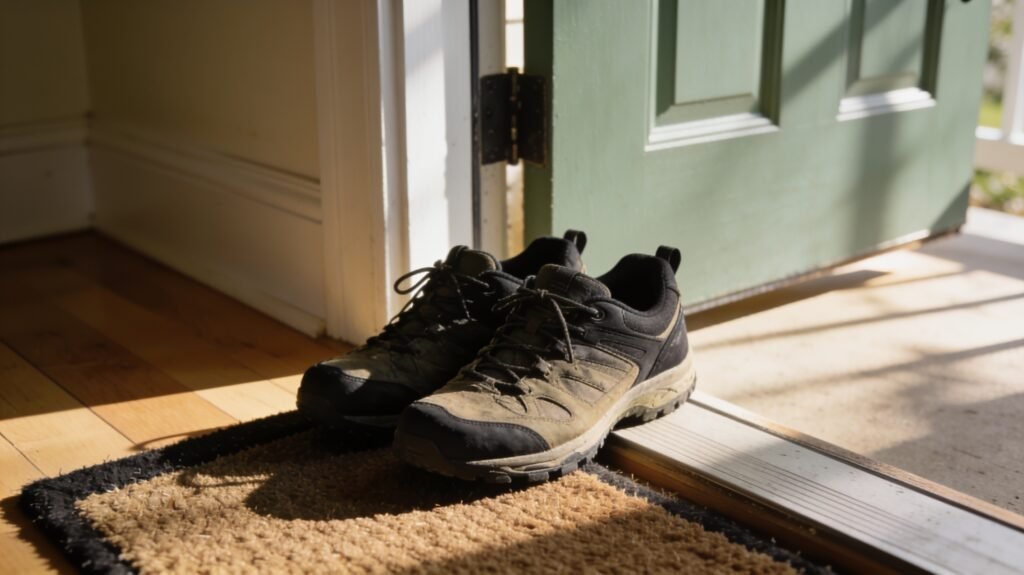
It sounds almost too simple, doesn’t it? Just walk. No gym membership, no complicated program, no special equipment. Yet the benefits of walking 30 minutes a day are backed by a large body of research, and for weight loss in particular, a daily walk is one of the most sustainable habits you can build. It’s low-impact, free, and something most people can start today regardless of fitness level.

What Happens When You Walk 30 Minutes a Day
Walking is classified as moderate-intensity aerobic activity, and 30 minutes a day is enough to meet a meaningful chunk of the weekly physical activity guidelines recommended by health authorities. Within a few weeks of consistent walking, most people notice steadier energy levels, better mood, and improved sleep. Over months, the cardiovascular and metabolic benefits accumulate further, supporting long-term weight management rather than a quick fix.
According to the CDC, adults need at least 150 minutes of moderate-intensity activity per week for substantial health benefits — a 30-minute daily walk covers that target almost exactly.
How Walking Supports Weight Loss
Weight loss ultimately comes down to maintaining a calorie deficit over time. A brisk 30-minute walk typically burns somewhere in the range of 100–200 calories, depending on your body weight, pace, and terrain. That may not sound dramatic on its own, but consistency is what makes it add up:
- 7 days of walking could burn roughly 700–1,400 calories per week
- Over a month, that’s approximately 3,000–5,500 calories, or roughly the equivalent of 1–1.5 pounds of fat
- Combined with modest dietary changes, the effect compounds further
These are estimates, not guarantees — individual results vary based on starting weight, pace, diet, and overall activity level. Walking works best as one part of a broader healthy lifestyle rather than a standalone fix, and it’s a habit you’re far more likely to sustain than an intense program that burns out after a few weeks.
7 Benefits of Walking 30 Minutes a Day
1. Supports a Steady Calorie Deficit
Daily walking creates consistent, low-stress calorie expenditure. Unlike restrictive diets or high-intensity programs, it’s a habit most people can maintain for years, which matters more for long-term weight management than any single dramatic effort.
2. Boosts Mood and Reduces Stress
Walking, especially outdoors, is associated with reduced symptoms of stress and anxiety. Even a short walk can shift your mental state, partly through light exercise and partly through the change of environment.
3. Supports Heart Health
Regular brisk walking is linked to improved circulation and healthier blood pressure and cholesterol levels over time. Many cardiology organizations list walking among the simplest ways to support cardiovascular health.
4. Strengthens Bones and Joints
As a weight-bearing activity, walking helps maintain bone density and keeps joints mobile. It’s gentle enough to be recommended for most people, including many recovering from inactivity or managing joint sensitivity — though anyone with an existing joint or bone condition should check with a healthcare professional before starting a new routine.
5. Improves Sleep Quality
Regular moderate exercise, including daily walking, is associated with falling asleep faster and experiencing more restorative sleep. Try to walk earlier in the day if you notice evening walks make it harder to wind down.
6. Supports Healthy Blood Sugar Levels
A short walk after meals can help moderate post-meal blood sugar spikes. This is especially relevant for people managing insulin sensitivity, though anyone with diabetes or a related condition should follow guidance from their doctor rather than general tips.
7. Builds a Sustainable Exercise Habit
Perhaps the most underrated benefit: walking is easy to stick with. Building the habit of a daily walk often becomes the foundation that makes people more receptive to adding strength training or other workouts later on.
How to Start a 30-Minute Daily Walking Habit
If 30 minutes feels like a lot right now, ease into it rather than forcing the full duration on day one:
- Start with 10–15 minutes daily for the first week
- Add 5 minutes every few days as it starts to feel easier
- Aim for a brisk pace where you can talk but feel slightly out of breath
- Pick a consistent time of day so it becomes routine, such as after breakfast or during a lunch break
- Track your steps or minutes with a free app to stay motivated
Walking pairs well with other beginner-friendly habits. If you’re just getting started with exercise more broadly, our guide on how to start working out as a complete beginner offers a gentler on-ramp, and if steps are your main metric, see how many steps per day you actually need for weight loss.
Nutrition matters too — walking burns calories, but what you eat determines whether that translates into weight loss. Pairing your walking routine with healthy eating habits for weight loss or focusing on foods that speed up metabolism naturally can make the combined effect more noticeable.
Common Mistakes to Avoid
- Walking too slowly to matter: a leisurely stroll is better than nothing, but a brisk pace burns meaningfully more calories.
- Expecting rapid results: weight loss from walking alone tends to be gradual — think weeks and months, not days.
- Ignoring nutrition entirely: walking can’t outpace a large calorie surplus from diet.
- Skipping proper footwear: supportive shoes reduce the risk of foot and joint discomfort, particularly if you’re walking daily.
- Giving up after a missed day: consistency over weeks matters far more than perfection.
If belly fat is a specific concern, our guide on how to lose belly fat at home without a gym covers additional strategies that complement a walking routine.
Walking Pace and Intensity: What Actually Counts as Brisk
Not all walking burns calories at the same rate, and pace is the biggest lever you control. A slow, leisurely stroll at around 2 mph is pleasant but burns relatively little. A brisk pace, generally 3–4 mph, is where most of the cardiovascular and weight-management benefits kick in. Here’s roughly how the numbers compare for a 30-minute walk at different paces for an average adult:
- Leisurely (2 mph): roughly 70–100 calories burned
- Moderate (3 mph): roughly 100–140 calories burned
- Brisk (3.5–4 mph): roughly 140–200 calories burned
- Incline or uneven terrain: adds meaningfully to all of the above, sometimes 20–30% more
A simple way to judge intensity without a fitness tracker is the “talk test.” If you can chat comfortably in full sentences, you’re likely walking at a leisurely pace. If you can talk but need to pause for breath every so often, you’re in the brisk zone that delivers most of the benefits discussed in this article. If you can barely speak, you’ve moved into jogging territory, which is a different kind of workout entirely.
A Simple 4-Week Sample Plan
If you’d like some structure rather than just “walk more,” this is a reasonable beginner progression. Adjust the pace or duration if any week still feels too demanding — the point is building a habit you can sustain, not hitting a rigid target.
- Week 1: 15-minute walks, 5–6 days, comfortable pace
- Week 2: 20-minute walks, 5–6 days, aim for a slightly brisker pace
- Week 3: 25-minute walks, 6 days, incorporate a few minutes of incline or faster intervals
- Week 4: Full 30-minute walks, daily if possible, at a consistently brisk pace
By the end of four weeks, most beginners find that 30 minutes no longer feels like a chore — it becomes something closer to a normal part of the day. At that point, some people choose to extend duration further, add light hand weights, or introduce short jogging intervals, but none of that is necessary to keep benefiting from the habit.
FAQ: Walking 30 Minutes a Day for Weight Loss
Is walking 30 minutes a day enough to lose weight?
For many people, yes — especially when combined with reasonably healthy eating. A daily 30-minute walk can create a meaningful weekly calorie deficit over time. Results vary based on pace, starting weight, and diet, so think of it as one solid piece of a broader weight-management approach rather than a guaranteed standalone solution.
What time of day is best for walking?
Whatever time you’ll actually stick with. Morning walks can help set a consistent routine and boost energy for the day, while post-meal walks may help moderate blood sugar. Consistency matters more than the specific hour, so choose a slot that fits reliably into your schedule.
Do I need to walk fast for it to count?
A brisk pace burns more calories and offers greater cardiovascular benefit than a slow stroll, but any walking is better than none. A good target is a pace where conversation is possible but slightly effortful. As your fitness improves, your natural pace will likely pick up on its own.
Can walking alone help me lose belly fat?
Walking contributes to overall calorie burn, which supports fat loss generally, but you can’t target fat loss to one area through exercise alone. Combining regular walking with strength training and a balanced diet tends to produce more noticeable changes in body composition over time.
Walking won’t replace every other form of exercise, and it isn’t a substitute for medical advice if you have an existing health condition — check with a healthcare professional before starting any new routine if you’re unsure. But as a low-barrier, sustainable daily habit, few things offer as much return for as little effort. Lace up and start with just ten minutes today.
Sources: CDC – Benefits of Physical Activity, Mayo Clinic – Walking: Trim your waistline, improve your health.