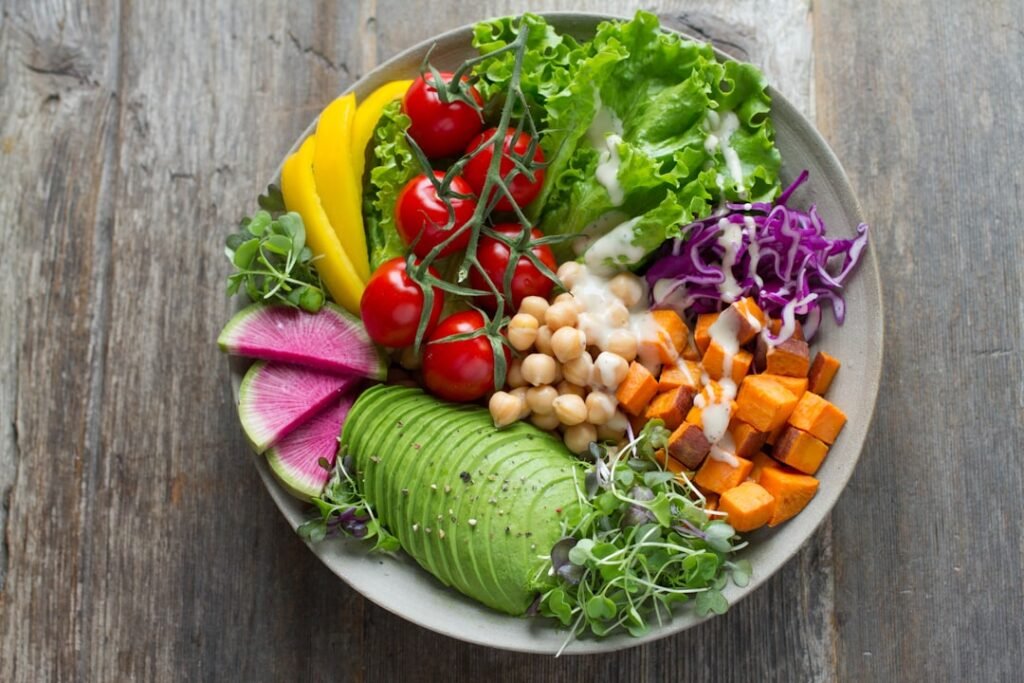
Here’s something the supplement industry doesn’t want you to know: the foods that speed up metabolism are already sitting in your kitchen, and they cost a fraction of what you’d spend on pills that barely work.
Metabolism isn’t a switch you can flip, but it is something you can meaningfully influence through food choices. Certain foods genuinely increase thermogenesis (heat production), support thyroid function, or require more energy to digest – and eating them consistently adds up to a real difference over time.
What “Metabolism-Boosting” Actually Means
Before diving in, it’s worth setting realistic expectations. No food will transform a sluggish metabolism overnight. What these foods do is nudge your metabolic rate slightly upward through one of three mechanisms: the thermic effect of food (energy used to digest and process nutrients), thermogenesis (heat production that burns extra calories), or supporting the hormones and systems that regulate metabolism.
Individually, the effects are modest. Combined into consistent eating habits, they produce measurable results.
12 Foods That Speed Up Metabolism Naturally
1. Eggs
Eggs are among the highest-protein foods available, and protein has the highest thermic effect of any macronutrient – your body burns roughly 20 to 30% of protein’s calories just processing it. A 3-egg breakfast can meaningfully increase your metabolic rate for several hours post-meal compared to a carb-heavy breakfast of the same calorie count.
2. Chili Peppers and Cayenne
Capsaicin, the compound that makes chili peppers hot, is one of the most studied thermogenic substances in food. It temporarily raises body temperature and increases calorie burn. Adding cayenne to meals, hot sauce to eggs, or fresh chili to stir-fries delivers a real (if small) metabolic kick along with flavor.
3. Green Tea
Green tea contains both caffeine and EGCG (epigallocatechin gallate), a catechin that enhances fat oxidation. Studies consistently show that green tea extract or regular consumption modestly increases metabolic rate and fat burning, especially when combined with exercise. Two to three cups daily is where the research shows consistent benefit.
4. Coffee
Caffeine is one of the few substances with solid evidence for increasing metabolic rate – by roughly 3 to 11% depending on the dose and the individual. Black coffee before exercise enhances fat burning. The effect is more pronounced in people who don’t consume caffeine habitually, so non-daily drinkers get a bigger boost.
5. Lean Chicken and Turkey
Like eggs, lean poultry is high in protein, which means a higher thermic effect at every meal. Replacing refined carbohydrates with a palm-sized serving of chicken or turkey at lunch can noticeably change your afternoon energy levels and calorie expenditure through digestion alone.
6. Legumes (Lentils, Chickpeas, Black Beans)
Legumes combine protein and fiber – two nutrients that increase satiety and metabolic work after eating. They also feed beneficial gut bacteria, and emerging research links gut microbiome diversity to healthier metabolic function. A cup of lentils delivers about 18g of protein and 15g of fiber, making it one of the most metabolism-supporting foods per calorie available.
7. Ginger
Ginger has thermogenic properties and has been shown in studies to increase calorie burning and reduce feelings of hunger after meals. Fresh ginger in smoothies, stir-fries, or tea is more potent than dried powder but both provide benefit. It also supports digestion, which affects how efficiently nutrients are absorbed and used.
8. Apple Cider Vinegar
The evidence here is more modest than the hype, but apple cider vinegar does appear to improve insulin sensitivity and help regulate blood sugar after meals. Stable blood sugar reduces the fat-storing effects of insulin spikes and keeps energy levels steadier throughout the day. One to two tablespoons diluted in water before a meal is the standard approach.
9. Cold Water
Drinking water increases metabolic rate by 24 to 30% for up to an hour, according to some studies. Cold water requires additional energy to warm to body temperature, adding a small extra calorie burn. While this isn’t dramatic on its own, drinking 2 liters of water daily contributes meaningful metabolic support over time – while also reducing hunger and improving digestion.
10. Greek Yogurt
Full-fat or low-fat Greek yogurt provides a substantial protein hit (15 to 20g per serving) along with calcium and probiotics. Calcium supports fat metabolism in cells, protein provides the thermic effect, and probiotics contribute to gut health – which increasingly appears linked to metabolic efficiency.
11. Oily Fish (Salmon, Mackerel, Sardines)
Omega-3 fatty acids in oily fish reduce inflammation and help regulate leptin – the hormone that controls hunger and metabolic rate. People with higher omega-3 intake tend to have lower leptin resistance, meaning their bodies respond better to fullness signals and maintain more efficient fat burning. Aim for 2 to 3 servings per week.
12. Brazil Nuts
Brazil nuts are the richest dietary source of selenium, a mineral essential for thyroid function. The thyroid gland produces the hormones that regulate your baseline metabolic rate. Even mild selenium deficiency can slow thyroid output and reduce metabolism. Two Brazil nuts per day provides your full recommended selenium intake.
How to Build These Foods Into Daily Eating
You don’t need to eat all 12 of these every day. Aim to include 3 to 4 of them at each meal and rotate through the list across the week. A practical daily structure might look like:
- Breakfast: 3 eggs cooked in coconut oil, black coffee or green tea, Greek yogurt
- Lunch: Chicken or lentil salad with apple cider vinegar dressing, ginger in a dressing
- Dinner: Salmon with chili flakes, a side of legumes
- Snacks: 2 Brazil nuts, cold water throughout the day
Frequently Asked Questions
Can food actually speed up a slow metabolism?
Yes, but with realistic expectations. These foods won’t compensate for a large calorie surplus, but they do produce measurable increases in calorie expenditure and fat oxidation when incorporated consistently. The biggest lever remains your overall calorie balance and muscle mass.
How long before I notice results from eating metabolism-boosting foods?
Some effects (like caffeine and capsaicin) are immediate and temporary. Others (like protein intake and gut health) build over weeks. Most people notice better energy, reduced hunger, and some weight changes after 3 to 4 weeks of consistent changes.
Are metabolism-boosting supplements worth it?
Most are not. The majority of commercial “metabolism boosters” are just caffeine and green tea extract – things you can get from coffee and green tea at a fraction of the cost. Save your money and buy better food instead.
The Bottom Line
Foods that speed up metabolism are not exotic superfoods. They’re eggs, chili, green tea, lean protein, legumes, and cold water – ordinary ingredients that work through well-understood mechanisms. The trick is not finding a magic ingredient but building these foods into consistent daily habits.
Start by adding two or three from this list to your current eating patterns. Don’t overhaul everything at once. Let the habit form, then build on it. Your metabolism responds to what you do consistently, not what you do perfectly once.