Knowing how to break a weight loss plateau starts with one reassuring fact: stalls are a normal part of the process, not a sign that you are failing. If the scale has stopped moving even though you are still eating well and exercising, you are in good company. Most people who lose weight hit at least one flat stretch along the way.
This guide walks you through eight practical, beginner-friendly strategies covering food, movement, sleep, and recovery. None of them require extreme dieting or expensive equipment. Pick one or two to start, give them a few weeks, and adjust from there.

What Is a Weight Loss Plateau?
A plateau is a period, often several weeks, where your weight stays roughly the same despite continued effort. It is common because your body adapts. As you lose weight, you have less body mass to move around, so your daily energy needs often drop a little. Hunger signals can also shift, and small habits quietly drift over time, such as slightly bigger portions or fewer steps.
The Mayo Clinic describes plateaus as a normal part of weight loss and suggests reviewing your habits and adjusting your routine rather than giving up. Before changing anything, make sure the stall is real: weight naturally moves up and down by a pound or two from day to day because of water, salt, and digestion. A true plateau usually means three to four weeks with no meaningful change.
One important note: if you take medication, have a medical condition, or your weight changes suddenly and unexpectedly, speak with a healthcare professional before making big changes to your eating or exercise.
1. Audit Your Portions and Tracking
The most common reason for a stall is also the least exciting: small amounts of extra food add up without us noticing. Studies on self-reported eating regularly find that people underestimate what they eat, sometimes by a noticeable margin. That is not dishonesty, just human nature.
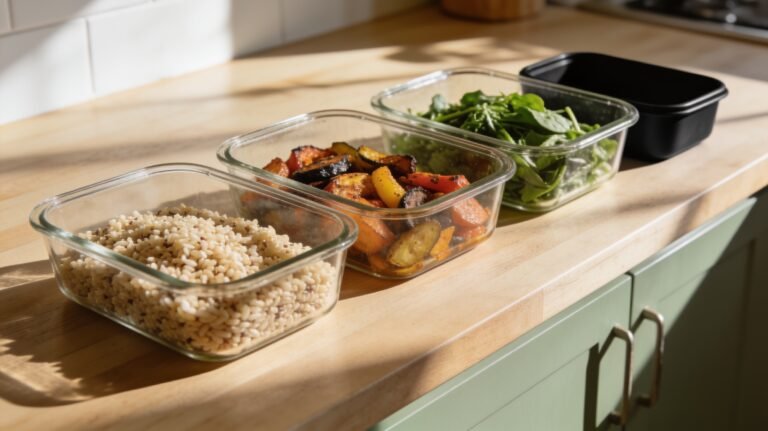
For one to two weeks, measure or weigh your food and log everything, including cooking oil, sauces, drinks, and weekend meals. You do not need to track forever. The goal is to recalibrate your eye so you know what a sensible portion looks like. If the full picture feels overwhelming, our guide on why you may not be losing weight even when eating healthy covers the sneaky culprits in more detail.
2. Build Every Meal Around Protein
Protein helps you feel full for longer and supports the muscle you are trying to keep while you lose fat. Many beginners eat plenty of carbohydrates and fats but only a small amount of protein, especially at breakfast.
- Add a palm-sized portion of protein to each meal, such as eggs, Greek yoghurt, chicken, fish, tofu, beans, or lentils.
- Choose a protein-rich snack instead of a purely sugary one.
- Keep easy options on hand, like tinned fish, cottage cheese, or hard-boiled eggs.
If you want meal ideas and food lists, see our high protein diet guide for beginners. Anyone with kidney disease or other medical conditions should check protein targets with a doctor or dietitian first.
3. Add or Progress Strength Training
If you have only been doing cardio, a plateau is a good moment to add resistance work. Lifting weights or using your body weight signals your body to hold on to muscle, and more muscle supports a healthier body composition over time. It also means the scale may not tell the whole story, since muscle and fat change at different speeds.
Already lifting? Make sure you are progressing. If you have done the same routine with the same weights for two months, your body has little reason to adapt. Add a repetition, an extra set, or slightly heavier weight every week or two. Our article on strength training for weight loss explains how to structure it, and the NHS physical activity guidelines recommend muscle-strengthening activity on at least two days a week for adults.
4. Move More Throughout the Day
Formal workouts are only part of your daily energy use. As you lose weight, many people unconsciously move less outside the gym: fewer trips up the stairs, more sitting, shorter walks. This everyday movement can make a real difference.
Try wearing a step counter for a week to find your baseline, then add a modest amount, perhaps 1,000 to 2,000 steps per day. Short walks after meals, taking calls on your feet, and parking a little further away all count. For realistic targets, read how many steps per day for weight loss.
5. Protect Your Sleep
Poor sleep can increase hunger, make cravings harder to resist, and leave you too tired to train well. Many adults do best with roughly seven to nine hours per night, though needs vary. If you are consistently sleeping five or six hours, improving that may do more for your progress than another hour of cardio.
- Keep a regular bedtime and wake time, even on weekends.
- Dim lights and put screens away 30 to 60 minutes before bed.
- Limit caffeine in the afternoon and heavy meals late at night.
Our guide to sleep habits for fitness and fat loss has a simple evening routine to try.
6. Manage Stress and Recovery
Ongoing stress can affect appetite, sleep, and motivation. It can also push us toward comfort foods. You cannot remove stress entirely, but small daily practices help: a ten-minute walk outside, gentle stretching, breathing exercises, or simply time away from screens.
Recovery matters on the training side too. Training hard every day without rest can leave you tired, sore, and hungrier, which makes consistency harder. Plan at least one or two lighter days each week. If you are unsure why that matters, read why rest days are essential for muscle building and fat loss.
7. Make a Small Adjustment, Not a Crash Diet
It is tempting to slash calories sharply when progress stops. This usually backfires: you feel hungry and low on energy, you may lose muscle, and the plan becomes impossible to sustain. A smarter approach is a small change you can live with.
- Trim a modest amount from your daily intake, such as swapping a sugary drink for water or reducing one high-calorie snack.
- Add a little more activity rather than cutting more food.
- Change only one thing at a time for two to three weeks so you can see what works.
Avoid very low-calorie plans unless a healthcare professional supervises them.
8. Measure Progress Beyond the Scale
The scale is only one data point. If you are strength training, eating more protein, and sleeping better, your body composition may be changing even while your weight holds steady. Look for other signs of progress:
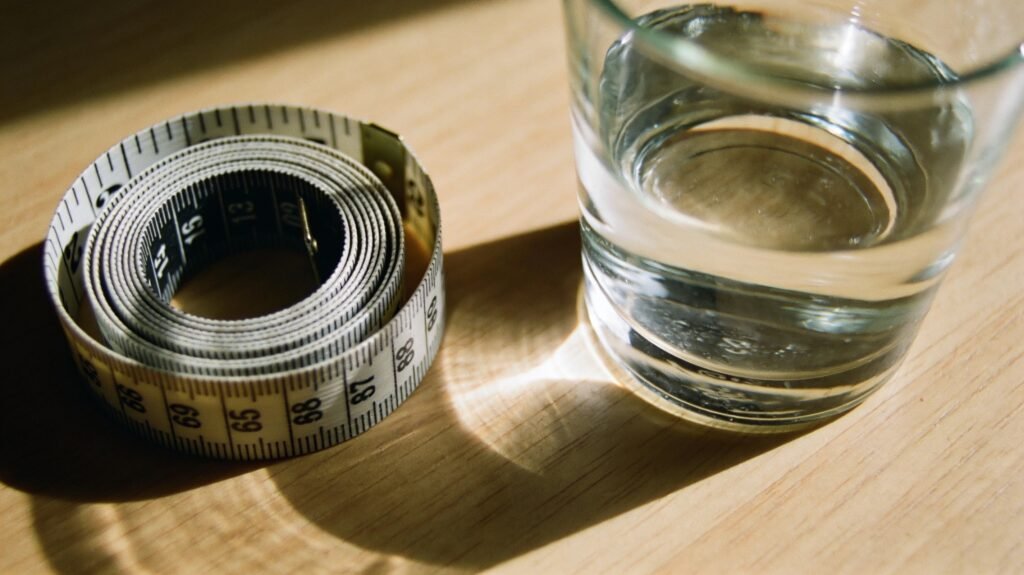
- Waist, hip, or other tape measurements taken every two to four weeks.
- Progress photos in the same lighting and clothing.
- How your clothes fit.
- Performance gains, such as more repetitions, heavier weights, or an easier walk up the hill.
- Energy, mood, and sleep quality.
Weigh yourself at the same time of day, no more than a few times per week, and focus on the trend across several weeks rather than a single reading.
Frequently Asked Questions
How long does a weight loss plateau last?
It varies from person to person. Many plateaus last a few weeks, and some resolve once you adjust food, movement, or sleep. If your weight has not changed for four to six weeks despite consistent habits, review your tracking and routine, or ask a healthcare professional or registered dietitian for tailored guidance.
Should I eat less to break a plateau?
Not necessarily. Start by checking portion accuracy, protein, and daily movement, because small drifts are common. If you do adjust food intake, keep the change modest and sustainable. Large, sudden cuts often cause fatigue, muscle loss, and rebound overeating, so they rarely help in the long run.
Does changing my workout help with a plateau?
It can. Adding strength training, increasing the challenge gradually, or varying your routine gives your body a fresh stimulus. Just avoid overdoing it. More exercise is not always better, especially if you are sleeping poorly or feeling run down. Balance harder sessions with proper rest and recovery days.
When should I see a doctor about a stalled weight?
Speak with a healthcare professional if you take medication that affects weight, have a thyroid or hormonal condition, notice unexplained weight changes, or feel unwell. They can check for underlying factors and help you set safe goals. This article is general education, not personal medical advice.
The Bottom Line
Learning how to break a weight loss plateau is mostly about patience and small, steady adjustments. Check your portions, prioritise protein, keep strength training progressing, move a little more, protect your sleep, and measure progress in more than one way. Choose one or two strategies this week, stick with them for a few weeks, and review. Slow, consistent changes are what keep results lasting.