Walking is often dismissed as “not real exercise” by those chasing more intense workouts. But a growing body of research reveals that walking every day transforms your body and brain in ways that few other activities can match. This comprehensive guide explores the science of daily steps — from cardiovascular health to mental wellbeing — and shows you exactly how to make walking work harder for your fitness goals.

Why Walking Every Day Matters More Than You Think
The human body evolved to walk. Before the agricultural revolution, our ancestors walked 10–15 kilometres daily as a baseline for survival. Today, the average person in a developed country walks fewer than 4,000 steps — roughly 3 kilometres. This mismatch between our evolutionary biology and modern sedentary lifestyles is a primary driver of chronic disease.
Research from the British Journal of Sports Medicine found that every 1,000 additional steps per day reduces all-cause mortality risk by approximately 10–15%. The benefits begin immediately and compound over time, making daily walking one of the highest-return health investments available to virtually everyone.
❓ Quick Knowledge Check
According to research, approximately how many steps per day are needed to see significant health benefits beyond basic function?
What Happens to Your Body When You Walk Daily
Your Heart and Cardiovascular System
Brisk walking at 5–6 km/h elevates heart rate to 50–70% of maximum, placing the cardiovascular system in the optimal fat-burning and cardiac conditioning zone. Over weeks and months, this produces measurable adaptations: lower resting heart rate, reduced blood pressure, improved arterial elasticity, and increased stroke volume (the amount of blood pumped per heartbeat). The American Heart Association recognises daily walking as one of the most effective behaviours for reducing cardiovascular disease risk.
Your Metabolism and Weight Management
A 70kg person walking at 5 km/h burns approximately 280–300 calories per hour. More importantly, regular walking increases NEAT (Non-Exercise Activity Thermogenesis) — the energy you burn in all activities outside formal exercise. Habitual walkers tend to move more throughout the day generally, compounding caloric expenditure beyond the walk itself. Walking after meals specifically helps regulate blood sugar by directing glucose toward working muscles rather than into storage.
Your Brain and Mental Health
Walking triggers the release of brain-derived neurotrophic factor (BDNF), sometimes called “Miracle-Gro for the brain.” BDNF promotes the growth of new neurons, enhances memory, and protects against cognitive decline. A Stanford University study found that walking boosts creative thinking by an average of 81% — a finding that has transformed how many knowledge workers structure their day.
For mental health, walking in nature specifically reduces activity in the prefrontal cortex regions associated with rumination (repetitive negative thinking), making it a genuinely evidence-based intervention for anxiety and mild depression. Even 20–30 minutes produces measurable mood improvement through endorphin and serotonin release.
Your Joints and Musculoskeletal System
Contrary to the belief that walking “wears out” joints, regular walking actually nourishes cartilage. Cartilage has no blood supply — it receives nutrients through the compression and decompression of movement. People who walk regularly have healthier cartilage and lower rates of osteoarthritis progression than sedentary individuals. Walking also stimulates bone remodelling, helping maintain bone density and reduce osteoporosis risk.
Your Immune System
Moderate-intensity exercise like walking significantly enhances immune function. Regular walkers have been shown to have fewer respiratory infections, and when they do get ill, symptoms are less severe and recovery is faster. Walking mobilises immune cells, increases natural killer cell activity, and reduces chronic low-grade inflammation — a root cause of numerous chronic diseases.
⚙ Your 4-Week Walking Progression Plan
Week 1: 20 minutes, 5 days/week at comfortable pace. Total: ~100 minutes
Week 2: 25 minutes, 5 days/week. Increase pace slightly so you can speak but feel slightly breathless. Total: ~125 minutes
Week 3: 30 minutes, 5 days/week. Add one “power walk” session at your fastest sustainable pace. Total: ~150 minutes
Week 4: 35 minutes, 5 days/week. Add hills or stairs to two sessions. Total: ~175 minutes
After 4 weeks, aim for 7,000–8,000+ daily steps through a combination of dedicated walks and incidental activity.
The Truth About 10,000 Steps
The “10,000 steps per day” goal was not born from research. It originated from a 1964 Japanese marketing campaign for a pedometer called the “Manpo-kei” (Man = 10,000, Po = steps, Kei = meter). The number was chosen because it was achievable and memorable, not because of scientific evidence.
The actual research paints a more nuanced picture. A 2019 Harvard Medical School study of nearly 17,000 women found that mortality risk plateaued around 7,500 steps per day. Going from 2,700 to 4,400 steps daily reduced mortality by 41%. From 4,400 to 7,500 steps, the risk continued to drop. Beyond 7,500, no additional mortality benefit was observed.
This means that 7,000–8,000 quality steps per day is a well-supported target for most adults. If you are currently averaging 3,000–4,000 steps, adding just 2,000–3,000 more will produce substantial health improvements.
How to Make Walking More Effective for Fitness
Standard walking can be evolved into a genuine fitness tool with a few modifications:
Brisk walking: Increase pace to 5.5–6.5 km/h — fast enough that holding a conversation requires brief pauses. This elevates heart rate into the aerobic training zone and doubles caloric expenditure compared to a leisurely stroll.
Incline walking: Walking uphill or on a treadmill incline dramatically increases caloric burn and works the glutes and hamstrings far more intensely than flat walking. Even a 5–10% incline increases energy expenditure by 25–50%.
Interval walking: Alternate 2 minutes of fast walking with 1 minute of comfortable pace. This creates a HIIT-like stimulus without the joint impact of running. Research shows interval walking improves cardiovascular fitness and blood sugar control faster than steady-pace walking.
Weighted walking: Adding a weighted vest (5–10% of body weight) or carrying light hand weights increases the metabolic demand of every step. Start conservatively and build over weeks to avoid joint strain.
▶ WATCH: The Science of Daily Walking
Discover the evidence-based benefits of making walking a daily non-negotiable.
🔍 Watch on YouTubeStrategies for Building a Daily Walking Habit
The barrier to walking is rarely physical — it is habit formation. These strategies make walking automatic:
- Habit stacking: Attach your walk to an existing behaviour — walking during your lunch break, after dinner, or during your morning coffee
- Make it enjoyable: Podcasts, audiobooks, and music transform walking from a chore into genuine leisure time. Many people report looking forward to their walk specifically because of what they listen to.
- Track your steps: Smartphone apps, fitness trackers, or even basic pedometers provide real-time feedback that drives motivation. Seeing your steps count builds daily accountability.
- Social walking: Walking with a friend or dog creates accountability and social reward, making missed walks feel costly.
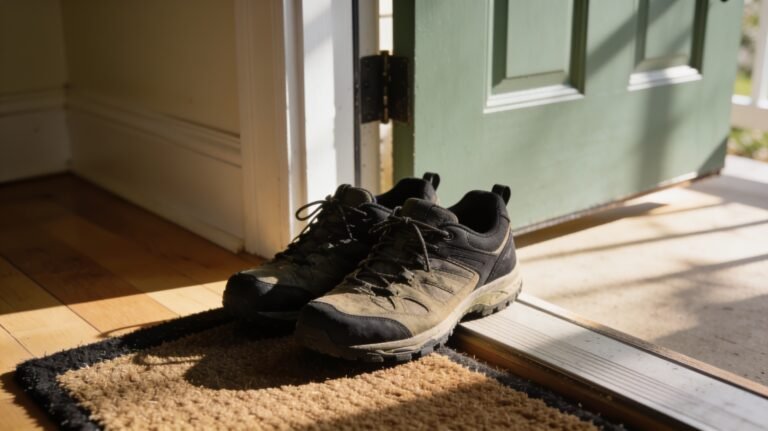
- Environmental design: Reduce friction — keep walking shoes by the door, plan routes in advance, choose walkable routes for errands.
Walking Versus Running: What the Research Shows
A 2013 study in Arteriosclerosis, Thrombosis, and Vascular Biology compared walkers and runners over six years. When matched for equivalent energy expenditure, walking and running produced similar reductions in blood pressure, cholesterol, diabetes risk, and cardiovascular disease risk. Walking simply requires more time to achieve the same caloric expenditure as running — but produces comparable health outcomes without the injury risk.
Running injury rates are 5–15 times higher than walking injury rates. For most people, a sustainable daily walking practice produces better long-term health outcomes than an inconsistent running programme interrupted by repeated injuries.
🚀 Start Today: Put your shoes on right now and walk for 10 minutes. That is all. Do it tomorrow. And the day after. Within 30 days you will have built a habit that research consistently shows is among the most powerful longevity and health investments you can make.
👉 Source: NHS: Walking for Health — Benefits and How to Get Started