

If you are a woman over 40 thinking about starting strength training at home with dumbbells, you are making one of the best decisions of your life. Not just for how you look, but for how you feel, how well you move, and how confidently you age. This guide gives you everything you need: the science, the exercises, a 4-week plan, and real answers to the questions women over 40 ask most.
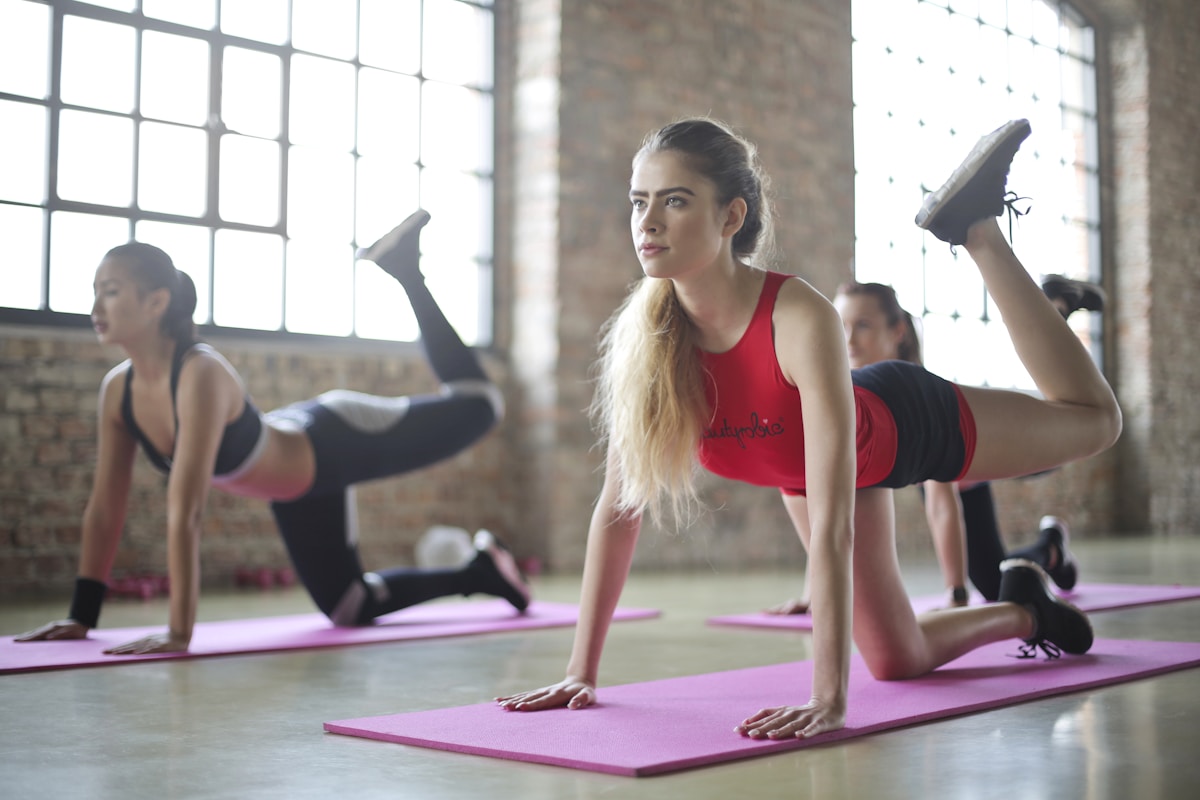
Why Strength Training After 40 Is Non-Negotiable for Women
Here is the reality that no one talks about enough: from around age 30, women lose 3–8% of their muscle mass per decade. After 40, that rate can accelerate — especially without resistance training. This process is called sarcopenia, and it is not just about aesthetics. Loss of muscle mass is directly linked to slower metabolism, increased fat storage, weaker bones, poor balance, and higher risk of injury.
The excellent news? Strength training completely reverses this. Multiple studies published in the Journal of Strength and Conditioning Research confirm that women who begin resistance training after 40 can build meaningful muscle mass, increase bone density, improve insulin sensitivity, and dramatically reduce their risk of osteoporosis — all within 8–12 weeks of consistent training.
👉 Source: National Institutes of Health: Resistance Training and Aging in Women
- Metabolism boost: muscle burns 3x more calories at rest than fat tissue — building it raises your resting metabolic rate permanently
- Bone density: resistance training is one of the few activities proven to increase bone mineral density in postmenopausal women
- Hormonal balance: strength training helps regulate cortisol and supports healthy oestrogen metabolism during perimenopause
- Mental health: multiple meta-analyses show resistance training reduces symptoms of depression and anxiety comparably to medication
- Functional strength: everyday tasks — carrying groceries, lifting children or grandchildren, climbing stairs — become noticeably easier within weeks
What Makes Dumbbell Training at Home So Effective
You do not need a gym, a barbell, or expensive machines to build real strength. A pair of adjustable dumbbells and a small floor space is genuinely sufficient for a complete strength training programme. Here is why dumbbells are particularly well-suited for women over 40 training at home:
- Range of motion: dumbbells allow each arm to move independently, which improves joint health and corrects muscle imbalances — common after 40
- Scalability: you can start with 2 kg dumbbells and progressively increase — no equipment change needed, just heavier weights
- Lower injury risk: free weights require stabiliser muscles to engage, which strengthens joints as well as primary muscles
- Convenience: no commute, no gym anxiety, no waiting for equipment — this dramatically improves consistency
- Cost: a set of adjustable dumbbells costs £30–80 and replaces hundreds of pounds of gym memberships annually
👉 Source: American College of Sports Medicine: Resistance Training Guidelines
|
❓ Quick Quiz Choose your answer and reveal the explanation below! How much muscle mass can women lose per decade from age 30 without strength training? |
The 7 Best Dumbbell Exercises for Women Over 40
These seven exercises form the foundation of an effective home strength programme. They are chosen specifically for women over 40 because they work multiple muscle groups simultaneously, support joint health, and deliver the highest return on time invested. Start with a weight where you can complete all reps with good form but feel genuinely challenged by the last 2–3 reps.
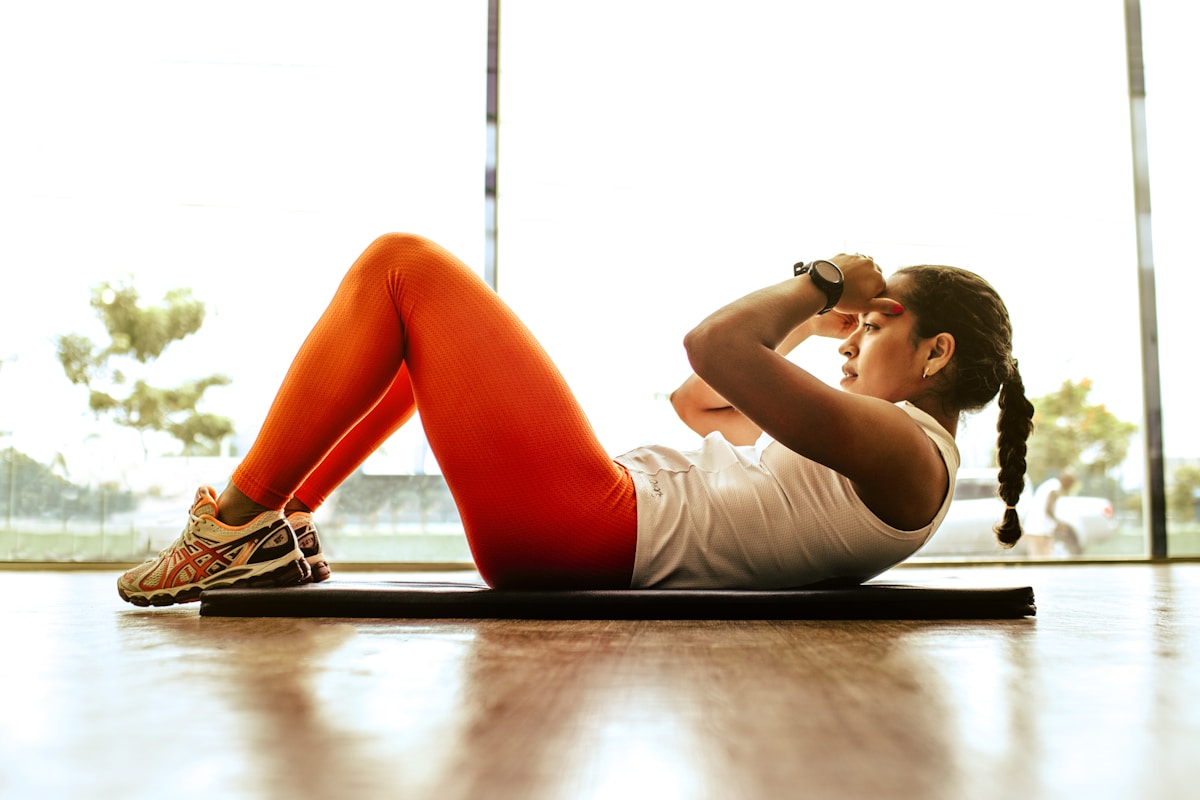
1. Goblet Squat — Lower Body Foundation
Hold one dumbbell vertically at your chest with both hands. Feet shoulder-width apart, toes slightly turned out. Lower until your thighs are parallel to the floor, keeping your chest tall and your knees tracking over your toes. Drive through your heels to stand. This exercise works your quadriceps, glutes, hamstrings, and core simultaneously — the highest-return lower body exercise available. 3 sets of 10–12 reps.
2. Romanian Deadlift — Posterior Chain Strength
Stand with feet hip-width apart, a dumbbell in each hand resting on your thighs. Hinge at the hips — not the waist — pushing your hips back while keeping the dumbbells close to your legs. Lower until you feel a stretch in your hamstrings, then drive your hips forward to return. This exercise directly strengthens the hamstrings, glutes, and lower back — the muscles most responsible for preventing back pain and maintaining good posture. 3 sets of 10 reps.
3. Dumbbell Row — Upper Back and Posture
Place one knee and hand on a bench or sofa for support. Hold a dumbbell in the opposite hand, letting it hang toward the floor. Pull the dumbbell up toward your hip, squeezing your shoulder blade in at the top. Lower slowly. After 40, the upper back tends to weaken from years of desk work and forward posture — rows directly counteract this. 3 sets of 12 reps each side.
4. Dumbbell Shoulder Press — Overhead Strength
Sit or stand with a dumbbell in each hand at shoulder height, palms facing forward. Press both dumbbells overhead until your arms are fully extended, then lower slowly. This builds shoulder strength, improves posture, and maintains the overhead mobility that tends to decline with age. 3 sets of 10–12 reps.
5. Dumbbell Chest Press — Pushing Strength
Lie on the floor or a bench with a dumbbell in each hand. Lower the dumbbells until your elbows touch the floor, then press back up. Floor pressing is actually beneficial for women over 40 because the floor acts as a range limiter, protecting the shoulder joint while still building significant chest, shoulder, and tricep strength. 3 sets of 10–12 reps.
6. Reverse Lunge — Single-Leg Stability
Stand holding dumbbells at your sides. Step one foot back and lower your back knee toward the floor, keeping your front shin vertical. Push through your front heel to return to standing. Reverse lunges are significantly safer than forward lunges for women over 40 because they place less stress on the knee joint while delivering equal benefits to the glutes and quads. 3 sets of 10 reps each leg.
7. Glute Bridge with Dumbbell — Hip Strength
Lie on your back with knees bent and feet flat, a dumbbell resting on your hips. Drive your hips up until your body forms a straight line from knees to shoulders, squeezing your glutes hard at the top. Hold for 2 seconds, then lower. This exercise specifically targets the glute muscles that weaken from prolonged sitting — a near-universal issue for women over 40 — and directly improves lower back health. 3 sets of 15 reps.
Your Complete 4-Week Dumbbell Programme for Women Over 40
This programme is designed around the science of beginner adaptation. In the first 2–3 weeks, your strength gains come primarily from neural adaptation — your nervous system learning to recruit muscle fibres more efficiently. From week 4 onwards, actual muscle growth begins. This is why many women feel dramatically stronger before they see visible changes: the internal transformation happens first.
Week 1–2: Foundation
Frequency: 3 sessions per week (e.g. Monday, Wednesday, Friday) with rest days in between. Each session takes 25–35 minutes including warm-up.
Warm-up (5 minutes): March in place, arm circles, hip circles, bodyweight squats.
- Goblet Squat: 2 sets x 10 reps
- Romanian Deadlift: 2 sets x 10 reps
- Dumbbell Row: 2 sets x 10 reps each side
- Shoulder Press: 2 sets x 10 reps
- Glute Bridge: 2 sets x 15 reps
Rest between sets: 60–90 seconds. Weight guidance: choose a weight you can complete all reps with good form, where the last 2 reps feel genuinely challenging.
Week 3–4: Development
Frequency: 3–4 sessions per week. Add the floor chest press and reverse lunge to your routine.
- Goblet Squat: 3 sets x 12 reps
- Romanian Deadlift: 3 sets x 10 reps
- Dumbbell Row: 3 sets x 12 reps each side
- Shoulder Press: 3 sets x 12 reps
- Floor Chest Press: 3 sets x 10 reps
- Reverse Lunge: 3 sets x 10 reps each leg
- Glute Bridge with Dumbbell: 3 sets x 15 reps
By week 4, try increasing the weight on any exercise where all sets feel comfortable. Aim to add 1–2 kg when you can complete all reps with perfect form.
|
▶ YOUTUBE VIDEO Strength Training for Women Over 40 — Follow-Along Dumbbell Workout Watch these exercises demonstrated with correct form before your first session — seeing the movement pattern makes a real difference to technique! 🔍 Watch on YouTube |
How to Progress: The Most Important Principle in Strength Training
The single concept that determines whether your strength training produces results is progressive overload — gradually increasing the challenge to your muscles over time. Your body adapts to whatever stress you place on it and then stops adapting. To keep getting stronger and building more muscle, you must keep increasing the stimulus.
For women over 40 training at home, progressive overload means one of these things each week:
- Add reps: if you did 10 reps last week, aim for 11–12 this week with the same weight
- Add sets: progress from 2 sets to 3 sets before increasing weight
- Add weight: increase by 1–2 kg when you can complete all sets comfortably
- Slow the tempo: a 3-second lowering phase dramatically increases difficulty without changing the weight
- Reduce rest: shorter rest periods increase metabolic demand and cardiovascular benefit
The key is that something should be harder every 1–2 weeks. A workout that never changes never produces change.
Nutrition to Support Strength Training After 40
Training is the stimulus, but nutrition is the raw material. Without adequate protein, your muscles cannot repair and grow regardless of how well you train. The research is clear on protein requirements for women over 40 who strength train:
- Protein target: 1.6–2.2g per kg of bodyweight per day — for a 70 kg woman, that is 112–154g of protein daily
- Distribute protein evenly: aim for 25–40g per meal rather than one large protein dose, which maximises muscle protein synthesis
- Top protein sources: eggs, Greek yogurt, chicken, fish, legumes, cottage cheese, protein shakes if needed
- Timing: eating protein within 2 hours after training accelerates recovery, though total daily intake matters more than precise timing
- Calcium and vitamin D: essential for the bone density benefits of strength training — dairy, fortified foods, oily fish, and sunlight are your main sources
👉 Source: Mayo Clinic: Fitness After 40 — Nutrition and Training Guidelines
Common Questions Women Over 40 Have About Strength Training
Will I bulk up from lifting weights?
This is the most common concern — and the answer is a clear no. Women have approximately 10–30 times less testosterone than men, making the kind of muscle bulk seen in male bodybuilders physiologically impossible without pharmaceutical assistance. What you will develop is lean, defined muscle that creates shape and firmness. The women you see in magazines who look “bulky” are professional athletes who have trained for decades under very specific conditions.
Is it safe to strength train during perimenopause or after menopause?
Not only is it safe — it is strongly recommended by gynaecologists and endocrinologists. The hormonal changes of menopause accelerate both muscle loss and bone density loss. Strength training directly counteracts both of these processes. Research shows postmenopausal women who lift weights have significantly better bone density, fewer joint issues, and lower rates of cardiovascular disease than those who do not.
How quickly will I see results?
Most women notice significant strength increases within 2–3 weeks. Visible body composition changes typically appear at the 6–8 week mark when training consistently 3x per week. The realistic timeline: Week 2–3, noticeably stronger. Week 4–6, clothes fitting differently. Week 8–12, clear visible changes in muscle definition and body composition.
What if I have joint pain or old injuries?
Strength training, done correctly, actually improves joint health by strengthening the muscles that support and protect joints. Start with lighter weights and focus on movement quality. The exercises in this guide are chosen partly because they are joint-friendly. If you have a specific diagnosed condition, speak to your physiotherapist before beginning — but in the vast majority of cases, they will encourage you to train.
|
⚙ INTERACTIVE TOOL: Your Personal Dumbbell Progress Tracker Use this week-by-week tracking system to measure your real progress:
Free tracking app: Download Strong (iOS/Android) — it logs your weights, tracks your personal bests, and shows your progression over time automatically. 📅 The women who see the best results are the ones who track consistently — start your log on Day 1! |
Common Mistakes to Avoid When Starting Strength Training After 40
- Going too heavy too soon: ego lifting is the fastest path to injury. Start lighter than you think you need to, learn the movement, then add weight progressively
- Skipping the warm-up: muscles and joints need 5–10 minutes of preparation after 40 — cold tissues are significantly more injury-prone than warm ones
- Neglecting recovery: muscle is built during rest, not during training. Sleep 7–9 hours, take rest days seriously, and watch your protein intake
- Training through sharp joint pain: muscle fatigue and effort are normal; sharp joint or nerve pain are warning signals that require investigation
- Expecting linear progress: strength gains are not perfectly linear — some weeks will feel harder than others due to sleep, stress, and hormonal factors. This is normal, not failure
- Comparing to others: social media fitness content is heavily filtered and often professionally supported. Your journey, your body, your timeline
|
💪 Your Next Step: Commit to just 4 weeks. Take a starting photo today, pick your dumbbell weights, and do your first session this week. In 28 days, compare where you are. The women who do this are consistently surprised by how much changes — in strength, in how their clothes fit, and in how they feel about themselves. The best time to start was 10 years ago. The second best time is today. |
The Bottom Line: Strength Training Is the Best Investment You Can Make After 40
Strength training for women over 40 at home with dumbbells is not just possible — it is one of the most effective, accessible, and scientifically supported health practices available to you. The equipment costs less than one month’s gym membership. The time investment is 3 sessions of 30 minutes per week. The returns are a stronger, leaner body, better bone health, improved mood, more energy, and confidence that compounds with every session.
You do not need to be fit to start. You do not need perfect form from day one. You do not need expensive equipment or a personal trainer. You need a pair of dumbbells, this programme, and the decision to begin.
Start today. Your future self will thank you.
👉 Source: NHS: Strength Exercises for Adults