You’ve been doing everything right – or so you thought. Eating less, moving more, drinking your water. But that stubborn belly fat just won’t budge without a gym membership, and honestly, who has the time or money for that?
Here’s the truth most fitness influencers won’t tell you: the gym is optional. Losing belly fat at home, without gym access, is completely achievable – and for many people, it’s actually more sustainable. This guide covers exactly how to lose belly fat without a gym, using methods backed by real physiology, not hype.
Why Belly Fat Is Different From Other Body Fat
Before jumping into solutions, it helps to understand the problem. Belly fat falls into two types: subcutaneous fat (the soft stuff you can pinch) and visceral fat (the deeper fat around your organs). Visceral fat is the more dangerous kind – and also the more responsive to lifestyle changes.
The good news? Visceral belly fat is actually among the first to go when you make consistent changes. You don’t need a gym to trigger those changes.
How to Lose Belly Fat at Home Without a Gym: 8 Proven Strategies
1. Walk More Than You Think You Need To
Walking is wildly underrated. A brisk 30-45 minute daily walk burns fat, reduces cortisol (a key driver of belly fat), and requires zero equipment. Research consistently shows that walking after meals specifically helps regulate blood sugar and reduce fat storage around the abdomen.
Aim for 8,000 to 10,000 steps per day. If that feels far off, start with 20 minutes after dinner. That single habit alone can make a visible difference in 4 to 6 weeks.
2. Do Bodyweight Circuits at Home
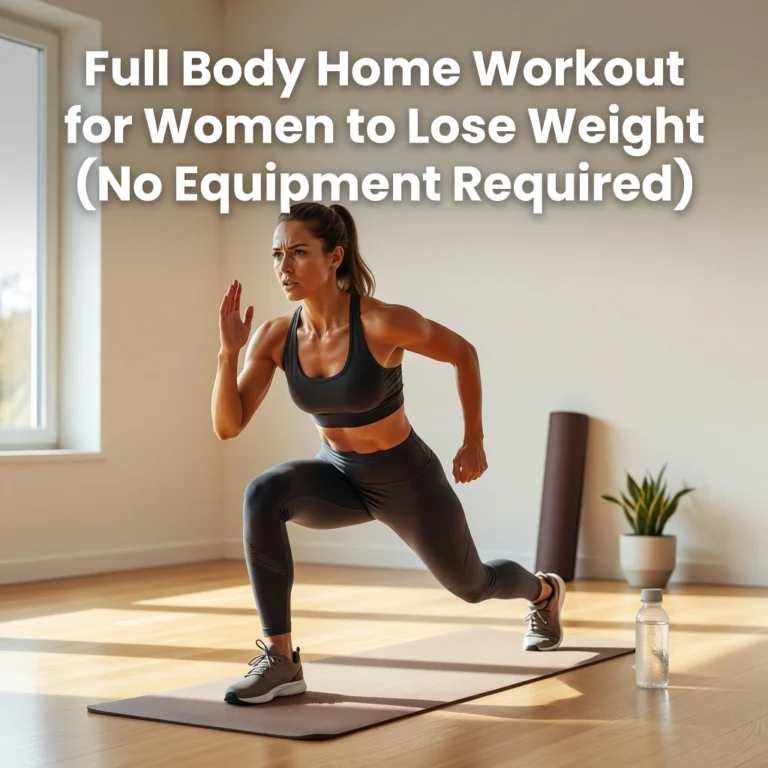
You don’t need weights to challenge your body. Bodyweight circuits that combine squats, lunges, push-ups, mountain climbers, and plank holds keep your heart rate elevated and burn significant calories. When done in a circuit with minimal rest, they also trigger an afterburn effect (EPOC) that continues burning calories for hours after you finish.
Try this beginner circuit 3 times a week:
- 20 bodyweight squats
- 10 push-ups (knees down is fine)
- 30-second plank
- 15 reverse lunges per leg
- 20 mountain climbers
- Rest 60 seconds, repeat 3 times
3. Fix Your Eating Window, Not Just Your Diet
You don’t have to go on a strict diet to lose belly fat without a gym. One of the most effective changes is simply narrowing your eating window. Eating within a 10-hour window (say, 8am to 6pm) gives your body more fasted hours to burn stored fat, including belly fat.
This isn’t about starving yourself. It’s about giving your insulin levels time to drop so your body can access fat stores. Most people find this easier than calorie counting because it only requires watching the clock.
4. Cut Liquid Calories and Hidden Sugars
One of the fastest wins for belly fat is eliminating sugary drinks. Soda, flavored coffees, fruit juice, energy drinks, and even some protein shakes are loaded with sugar that gets converted and stored as visceral fat. Switching to water, black coffee, or unsweetened tea can cut hundreds of calories per day without changing a single meal.
Check labels on sauces, dressings, and “low-fat” products too. They often pack in sugar to compensate for removed fat.
5. Prioritize Sleep Like It’s a Workout
Poor sleep is one of the biggest and most overlooked drivers of belly fat. When you sleep less than 7 hours, your body produces more ghrelin (the hunger hormone) and less leptin (the fullness hormone). The result? You eat more, crave sugar, and store more fat around your middle.
Getting 7 to 9 hours of quality sleep isn’t laziness – it’s a fat-loss strategy. Set a consistent bedtime, keep your room cool and dark, and avoid screens for 30 minutes before bed.
6. Manage Stress Before It Manages Your Waistline
Chronic stress raises cortisol, which directly signals your body to store fat in the abdominal area. This is an evolutionary survival response – and it works against you when stress is constant and modern.
Even 10 minutes of daily deep breathing, a short walk in nature, journaling, or light stretching can meaningfully lower cortisol over time. It sounds too simple to matter. It isn’t.
7. Add More Protein to Every Meal
Protein is the single most powerful dietary lever for fat loss. It keeps you full longer, prevents muscle loss during a calorie deficit, and has a higher thermic effect than carbs or fat (meaning your body burns more calories just digesting it). Aim for a palm-sized portion of protein at every meal: eggs, chicken, fish, Greek yogurt, lentils, or cottage cheese all work well.
8. Eat More Soluble Fiber (and Watch Trans Fats and Alcohol)
Soluble fiber is the quiet hero of losing belly fat at home. It forms a gel in your digestive tract that slows digestion, keeps you full longer, and has been repeatedly linked to lower visceral fat. Oats, beans, lentils, Brussels sprouts, avocados, and flaxseed are all easy sources – aim for around 10 grams of soluble fiber a day, roughly a bowl of oats plus a serving of beans. Institutions like Johns Hopkins Medicine put fiber-rich, minimally processed eating at the center of their belly fat advice for good reason.
Two things quietly work against you here: trans fats and alcohol. Trans fats (look for “partially hydrogenated oils” on labels) are strongly associated with abdominal fat gain, and alcohol is a double hit – empty calories plus disrupted sleep. You don’t have to quit drinking entirely; experts at Rush University Medical Center note that simply trimming overall intake and cutting sugary drinks makes a measurable difference on its own.
What Not to Do When Trying to Lose Belly Fat at Home
Avoid these common traps that waste time and kill progress:
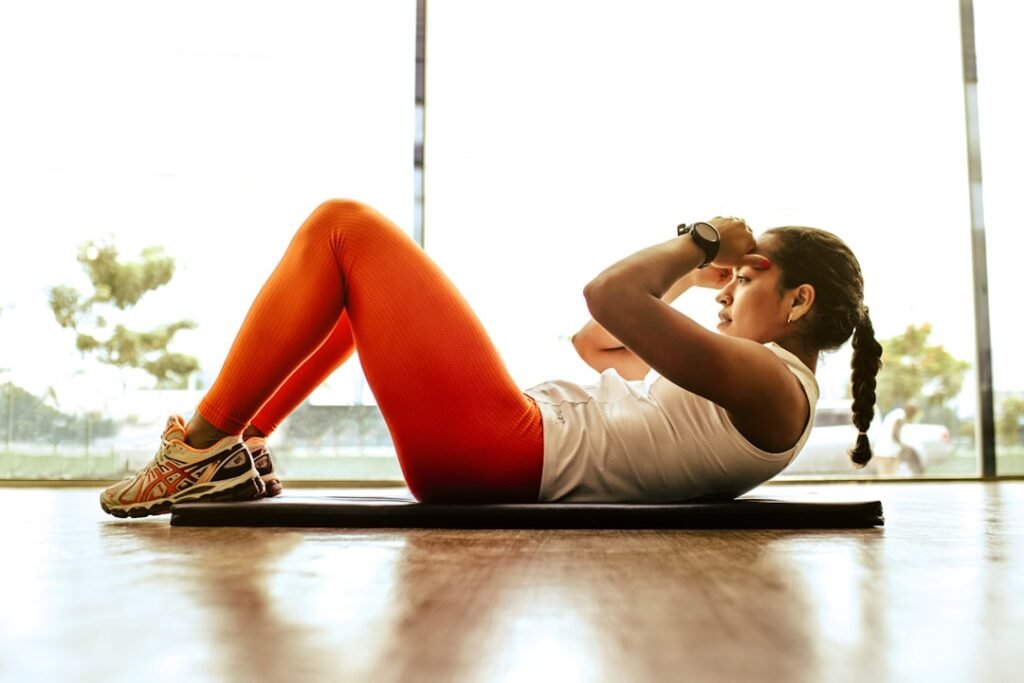
- Doing endless crunches: Spot reduction is a myth. Crunches build core muscle but don’t burn belly fat specifically.
- Cutting all carbs overnight: Extreme restriction usually leads to rebound eating. Gradual changes stick better.
- Buying detox teas or belly-slimming wraps: These are marketing, not medicine. Save your money.
- Expecting fast results: Visible belly fat changes typically take 4 to 8 weeks of consistent effort. Patience is part of the plan.
What to Drink to Lose Belly Fat
No drink melts fat, but some make the job easier. Water before meals reduces how much you eat. Black coffee and green tea give you a mild metabolic nudge and zero calories – green tea’s catechins have modest but real evidence behind them. Unsweetened protein shakes count toward the protein target in strategy 7. What to skip: detox teas, juice cleanses, and “fat-burning” drinks. They range from useless to counterproductive, and the money is better spent on real food.
How Long Does It Take to Lose Belly Fat Without a Gym?
With consistent habits across all 8 strategies above, most people notice measurable changes within 4 to 6 weeks. Visible changes in how clothes fit typically happen around week 6 to 8. The scale is a poor measure – waist measurements and how your clothes feel are more useful indicators.
The real answer depends on your starting point, consistency, and sleep and stress levels – not whether you have a gym membership.
Frequently Asked Questions
Can I lose belly fat just by walking?
Yes, walking alone can reduce belly fat, especially when combined with a modest calorie reduction. It won’t happen as quickly as combining walking with strength training and dietary changes, but it is a valid starting point – especially for beginners or those with joint issues.
How many calories do I need to cut to lose belly fat?
A deficit of 300 to 500 calories per day is enough to lose 0.5 to 1 pound of fat per week without feeling miserable. You don’t need to starve. Combining small eating adjustments with more daily movement is more sustainable than aggressive restriction.
Does drinking water help lose belly fat?
Water itself doesn’t burn fat, but staying well-hydrated supports metabolism, reduces bloating, and helps you feel fuller before meals. Replacing sugary drinks with water is one of the easiest belly fat wins available.
Is it possible to lose belly fat in 2 weeks without exercise?
You can reduce bloating and water retention in 2 weeks through dietary changes, but actual fat loss takes longer. Realistic belly fat reduction requires 4 to 8 weeks of consistent effort. Anyone claiming otherwise is selling something.
Can I flatten my tummy in 7 days?
You can look noticeably less bloated in 7 days by cutting alcohol, carbonated drinks, very salty food, and late-night eating – but that’s water and digestion, not fat. Genuine belly fat loss shows up over 4 to 8 weeks. Use a 7-day reset to build momentum, not as the finish line.
What is the 3-3-3 rule for fat loss?
The “3-3-3 rule” is a social media framework, not science – versions vary, but the common ones involve 3 balanced meals with around 30 grams of protein each, plus a daily movement target and 3 workouts a week. The numbers aren’t magic. The structure works because it quietly enforces protein, movement, and consistency – the same levers covered in this guide.
What exercise burns the most belly fat?
No exercise burns belly fat specifically – spot reduction is a myth. The biggest calorie burners you can do without a gym are brisk incline walking, bodyweight HIIT circuits, and stair climbing. Core work like planks won’t burn the fat on top, but it strengthens the muscles underneath, so your midsection looks tighter as the fat comes off.
The Bottom Line
Losing belly fat without a gym is not a compromise – it’s a completely valid path. Walking, home bodyweight workouts, better sleep, stress management, and smarter eating are all you need. No membership required.
Start with two or three of the strategies above rather than trying to change everything at once. Consistency over the long term is what actually moves the needle. Pick your starting point, stay with it for 4 weeks, and let the results tell you what to add next.
nnAbout the author
Jake Reynolds is the founder of Health & Fitness Blog, where he turns exercise science into plans beginners can actually follow – workouts, nutrition, and habits that work at home, no gym required. Read more articles by Jake Reynolds.