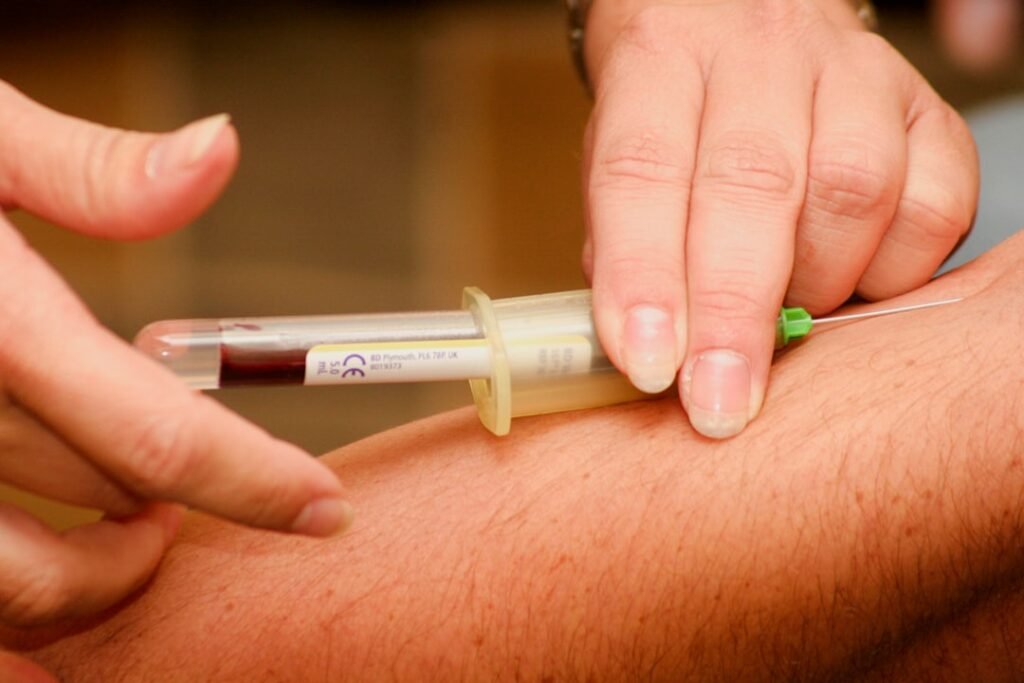
Peptides for weight loss: do they work and are they safe
You’ve probably seen the ads by now. Instagram, TikTok, YouTube, Reddit. Peptides for weight loss are everywhere, and they come with promises that sound almost too good to be true: shed fat fast, boost metabolism, suppress appetite, all from a simple injection once or twice a week. When I started researching peptides for weight loss, I noticed something that bothered me: most articles either sold them hard or dismissed them entirely. Neither approach gave you the actual information you needed to decide if they were worth trying, how they compare to alternatives that actually have evidence behind them, or what the real risks are.
This post contains affiliate links. If you buy through them, I earn a small commission at no extra cost to you.
TL;DR
- Peptides like BPC-157 and AOD-9604 show promise in early research but lack large-scale human trials; most evidence comes from animal studies or small groups.
- Peptide injections cost $200-500+ per month and are not regulated by the FDA, creating quality and safety concerns.
- GLP-1 agonists (like semaglutide) have strong clinical evidence for weight loss but are prescription-only, expensive, and carry side effects including nausea and muscle loss.
- Proven, low-risk alternatives exist: calorie deficit, high protein intake (1.6g per kg bodyweight), strength training, and consistent walking can produce 1-2kg weight loss per month.
- Start with tracking your food intake for 2 weeks to understand your baseline; peptides should only be considered after consulting a doctor and exhausting proven methods.
What are weight loss peptides?
Peptides are short chains of amino acids, the building blocks of protein. When you eat chicken or beans, your body breaks down the protein into amino acids. Peptides are basically pre-broken-down protein fragments. For weight loss, certain peptides are marketed to affect hunger hormones, boost fat metabolism, or increase energy expenditure.
The main ones you’ll see promoted are:
- BPC-157: Originally studied for gut healing and muscle recovery, now marketed for weight loss and metabolism. Evidence is mostly in animals or test tubes.
- AOD-9604: A fragment of human growth hormone designed to burn fat without the muscle-building effects of full HGH. Limited human data.
- CJC-1295: A growth hormone-releasing hormone (GHRH) analog. Intended to raise growth hormone levels, which theoretically increases metabolism.
- Ipamorelin: Another GHRH secretagogue. Similar theory to CJC-1295.
The pitch is simple: inject once or twice weekly, and these peptides trigger your body to burn more fat, eat less, and lose weight without the extreme calorie cutting or the side effects of stronger drugs.
Who this works for: People who’ve heard about peptides online and want to understand what they actually are before deciding. Common mistake: Assuming peptides = hormones or steroids. They’re not the same, but they do work on hormonal systems, which is why safety matters.
Do peptides for weight loss actually work?
The honest answer is: we don’t know for sure, and that’s the problem.
For AOD-9604, a 2006 study in the journal Obesity found modest fat loss in obese subjects over 12 weeks. But that was one small trial from nearly 20 years ago. Larger, recent human studies don’t exist. Most research is in mice or rats, where high doses produce weight loss. Humans are not giant rats. The dose, metabolism, and effects are different.
For BPC-157, the research is even thinner. Almost all studies are in animals. A small 2023 trial looked at BPC-157 for muscle recovery in athletes, not weight loss. There is no large-scale clinical trial in humans showing BPC-157 causes fat loss.
For CJC-1295 and Ipamorelin, the theory is that raising growth hormone increases metabolism and fat loss. But growth hormone’s effect on weight loss in adults is modest, and most studies of these peptides measure hormone levels, not actual weight or body composition change.
The real issue isn’t that peptides don’t work at all. It’s that we have no idea what dose works, for whom, or over how long, because the research simply hasn’t been done in humans at scale.
Who this works for: People considering peptides who need to understand the evidence gap before spending money. Common mistake: Trusting testimonials or before-and-afters as proof. Individual results don’t prove efficacy, and they’re the easiest thing to fake online.
Peptide weight loss injections: what you need to know about cost, access, and legality
Peptides for weight loss are sold in a legal gray zone in the United States. The FDA does not approve them for weight loss. They are not prescription medications in the traditional sense. Instead, they’re often sold as “research chemicals” or “not for human consumption” through online suppliers, sometimes by clinics operating under the banner of “regenerative medicine” or “biohacking.”
Cost matters because you’ll be paying out of pocket. A month’s supply of peptides typically runs $200-500, sometimes more. That’s $2,400-6,000 per year. For comparison, a gym membership costs $10-50 per month.
Quality control is a real concern. Because peptides aren’t regulated, there’s no guarantee that what you’re buying is what’s advertised. Studies of peptides purchased online have found contamination, incorrect dosing, and inactive products. You could be injecting something that doesn’t work, is underdosed, or contains something harmful.
Legality varies by location. Some countries ban them outright. In the US, selling peptides for human consumption is technically illegal, but enforcement is inconsistent. You’re taking a legal risk, even if small.
Medical supervision is rare. Many peptide suppliers are not licensed clinics. You might get an online consultation with someone calling themselves a doctor, but you won’t get the kind of monitoring a real pharmaceutical would require.
Who this works for: Anyone considering buying peptides online who needs to know the actual practical barriers. Common mistake: Assuming that if something is sold online, it’s been vetted or approved. It hasn’t.
Peptides vs GLP-1 for weight loss: how they compare
If you’re researching peptides, you’ve probably also encountered GLP-1 agonists, particularly semaglutide (Ozempic, Wegovy). They’re often mentioned together online, but they’re very different.
GLP-1 drugs are FDA-approved, prescription medications. They mimic a natural hormone that regulates blood sugar and appetite. The clinical evidence is strong: in trials, people on semaglutide lost 15-20% of their body weight over 68 weeks. That’s real, measurable weight loss in large groups.
The downsides are significant. GLP-1s cost $900-1,500 per month (often covered by insurance if you’re diabetic, rarely if you’re using it purely for weight loss). Side effects include nausea, vomiting, constipation, and abdominal pain, especially in the first weeks. Some people experience muscle loss alongside fat loss, which is a problem for strength and metabolism long-term. And once you stop taking them, weight often comes back.
Peptides, by contrast, are cheaper per month ($200-500), but you have no evidence they work at the scale that GLP-1s do. You also have no FDA oversight, no medical supervision requirement, and a higher risk of buying something that’s fake or contaminated.
The comparison isn’t really “peptides vs GLP-1.” It’s “unproven, unregulated, cheaper option vs proven, regulated, expensive option.” GLP-1s work. Peptides might. The certainty gap is enormous.
Who this works for: People comparing options and needing to understand the evidence behind each. Common mistake: Assuming that because peptides are natural or smaller molecules, they’re safer than GLP-1s. Regulation and evidence matter more than naturalness.
Best peptides for weight loss: what the research actually suggests
If you’re going to research peptides, focus on the ones with at least some human data, not just animal studies.
AOD-9604 has the longest track record. The 2006 trial showed weight loss, and it’s been studied for metabolism. But no large confirmatory trials have followed. Typical dosing is 300-600 mcg per week, often split into two or three injections.
BPC-157 has a lot of hype but almost no human weight loss data. It’s popular among athletes and biohackers for recovery. If you’re considering it, understand that you’re betting on extrapolation from animal studies and testimonials, not human trials. Typical dosing is 250-500 mcg per day.
CJC-1295 is often combined with Ipamorelin to maximize growth hormone release. The theory is sound: growth hormone does increase metabolism slightly. But again, the human data on weight loss specifically is minimal. These are often sold as “GHRP-6” or “CJC/Ipamorelin blends.” Typical dosing is 100-200 mcg, two to three times per week.
The pattern is clear: none of them have the evidence base of proven weight loss methods. If you’re considering any of them, you’re gambling on early-stage science, not betting on a sure thing.
Who this works for: Readers who want to know which peptides have at least some research behind them. Common mistake: Picking a peptide based on marketing hype or a popular biohacker’s endorsement. The most hyped option usually has the weakest evidence.
Proven alternatives to peptides for weight loss
Before spending $200-500 per month on unproven injections, consider what actually works, costs almost nothing, and has decades of evidence behind it.
Calorie deficit is still the foundation of weight loss. You don’t lose fat because of a magical peptide or a special hormone. You lose fat because you eat fewer calories than you burn. That’s physics, and it’s consistent across every study ever done. A modest deficit of 300-500 calories per day typically produces 0.5-1kg of weight loss per week, or 2-4kg per month. You can create that deficit with diet, exercise, or both.
Protein intake is the single most impactful nutrition change for weight loss. Aim for 1.6g per kg of body weight (or 0.7g per lb). Protein increases satiety, meaning you feel fuller longer, which makes eating fewer calories easier. It also preserves muscle during weight loss, so the weight you lose is fat, not muscle and bone. Protein is cheap: eggs, chicken breast, Greek yogurt, canned tuna, cottage cheese, and beans all work. You don’t need a supplement.
Strength training three times per week, 30 minutes per session, builds muscle and increases your resting metabolic rate. More muscle means your body burns more calories even at rest. Bodyweight exercises work perfectly: squats, push-ups, rows, lunges. You don’t need a gym or equipment.
Walking is the most underrated intervention in fitness. Walking 7,000-10,000 steps per day, even without changing your diet, produces steady weight loss over time. It’s low-impact, sustainable, and costs nothing. I’ve seen people lose 2-3kg in two months by adding a 30-minute daily walk and doing nothing else.
Combined, these four interventions (calorie awareness, high protein, strength training, and walking) produce 1-2kg weight loss per month. Over a year, that’s 12-24kg. Over 18 months, that’s 18-36kg. No injection, no pharmaceutical risk, no regulatory gray zone, no question mark over whether it works.
Who this works for: Anyone considering peptides who is willing to try the proven methods first. Common mistake: Underestimating how much a calorie deficit and protein intake alone can achieve. Most people trying these for the first time are shocked at the results.
Peptides vs proven weight loss methods: which should you choose?
The real question isn’t “do peptides work?” It’s “are peptides worth trying when the evidence-based alternatives are cheaper, safer, and proven?”
Peptides make sense only if you meet all three conditions: you’ve already tried a calorie deficit plus high protein plus strength training for at least 12 weeks and hit a true plateau; you’ve consulted a doctor who has ruled out thyroid dysfunction, metabolic syndrome, or other medical causes; and you’re willing to spend significant money on a treatment with limited human evidence and no regulatory oversight.
For most people reading this, that’s not the situation. Most people haven’t tracked their food intake seriously for even two weeks, so they don’t know their baseline. Most people haven’t trained consistently for three months, so they haven’t reached a plateau. Most people have room to improve diet and training before considering anything else.
Peptides might be appropriate for someone who has genuinely maximized nutrition and training and still isn’t seeing results. That person is rare, and they should involve a doctor.
The proven alternatives don’t have the hype of peptides. You won’t see before-and-afters from Instagram influencers promoting calorie tracking and walking. But they work, they’re safe, and they’re free or nearly free to try.
Who this works for: Readers trying to make a practical decision about whether to pursue peptides. Common mistake: Comparing the best-case scenario of peptides (extrapolated from animal studies) to the median results of proven methods. Compare like to like: average outcomes of peptides (no large human trials, so unknown) to average outcomes of nutrition and training (consistent, 1-2kg per month).
Safety concerns with peptides for weight loss
Even if peptides worked perfectly, the safety profile matters.
Growth hormone-releasing peptides like CJC-1295 and Ipamorelin raise growth hormone. That’s the goal. But chronically elevated growth hormone can increase the risk of diabetes, joint pain, and carpal tunnel syndrome. Long-term safety data in humans doesn’t exist because these haven’t been studied long-term in humans.
BPC-157 is interesting because it’s studied for gut healing, which is theoretically positive. But it also promotes cell growth, including vascular smooth muscle. Promoting blood vessel growth could theoretically be problematic in people with certain cancers, though this is speculative. Again, no long-term human safety data.
Injecting anything carries a basic risk of infection, especially if you’re self-injecting with inconsistent technique. You’re also trusting that the peptide you’ve bought online is actually what’s labeled, and hasn’t been contaminated or mislabeled.
Because peptides aren’t regulated, if something goes wrong, you have no recourse. If a pharmaceutical causes harm, you can report it to the FDA and potentially pursue compensation. If an unregulated peptide does, you’re on your own.
The risk isn’t necessarily catastrophic, but it’s real and it’s not zero. For weight loss, which is achievable through methods with zero injection risk, that calculus matters.
Who this works for: Anyone considering peptides who needs to understand that “not approved” means “not studied enough for safety to be confirmed.” Common mistake: Assuming that because something is sold as a supplement or research chemical, it’s been adequately tested for safety. It hasn’t.
What to do this week instead of ordering peptides
If you’re considering peptides, I want you to try one thing first. This week, track everything you eat and drink. Use an app like MyFitnessPal or Cronometer, or write it down. Be honest about portion sizes and cooking fats. Do this for seven days, no changes to your diet.
At the end of the week, you’ll know how many calories you’re eating, how much protein you’re getting, and where you can realistically cut 300-500 calories. This single week of awareness is more informative than buying any supplement or peptide.
If you’re genuinely interested in weight loss and want to know whether peptides could help you, you need to answer three questions first: Have you maintained a calorie deficit of 300-500 below your maintenance for at least 12 weeks? Are you eating 1.6g of protein per kg of body weight? Are you training strength three times per week? If the answer to any of these is no, you haven’t yet exhausted the obvious options.
Peptides might eventually be part of the toolbox. But they shouldn’t be the first tool you reach for, and they shouldn’t replace the methods that work and that you can do right now.
I spent months researching peptides for this post because the claims are compelling, but the evidence is thin. That’s the honest takeaway. They might work someday. For now, walking, eating protein, and lifting weights will get you to your goal faster and cheaper and with zero legal or safety risk.
Frequently Asked Questions
Are peptides FDA approved for weight loss?
No. The FDA has not approved any peptides specifically for weight loss. Some, like semaglutide (a GLP-1), are approved for diabetes and weight loss. But AOD-9604, BPC-157, CJC-1295, and Ipamorelin are not FDA-approved for any use in the United States. They’re sold as research chemicals or unregulated supplements, which means they haven’t undergone FDA safety or efficacy review.
How much do peptide injections cost?
Peptide injections typically cost $200-500 per month, depending on the peptide, dosage, and supplier. That’s $2,400-6,000 per year. Most insurance won’t cover them because they’re not prescribed by licensed doctors and not approved for weight loss. You’re paying entirely out of pocket.
Can you get peptides legally in the US?
Technically, selling peptides for human consumption is illegal in the US. However, they’re often sold as “research chemicals” with disclaimers that they’re “not for human consumption,” which creates a legal gray zone. Enforcement is inconsistent. Buying them puts you in a legally ambiguous situation. Speaking with a lawyer before purchasing is a reasonable precaution.
What’s the difference between peptides and amino acids?
Amino acids are single molecules, the building blocks of protein. Peptides are 2-50 amino acids linked together. Proteins are 50+ amino acids. When you eat a protein-rich food, your digestive system breaks it down into amino acids and peptides. Peptides marketed for weight loss are synthesized versions designed to have a specific effect on hormones or metabolism, not just to provide nutrition like food protein does.