Finding high protein snacks no cooking required is one of the easiest ways to stay full and energised between meals. When the afternoon slump hits, most of us grab something sugary that fades fast. A snack with a good amount of protein, ideally paired with fibre or healthy fat, tends to keep hunger steadier for longer. This guide shares 15 simple ideas you can buy, open and eat, with no stove, oven or microwave involved.
Everything here is built for beginners: affordable, portable and easy to find in a regular supermarket. You will also get a quick way to choose a good snack, ideas for combining foods, and answers to common questions. Nutrition varies by brand, so always check the label on the products you buy.
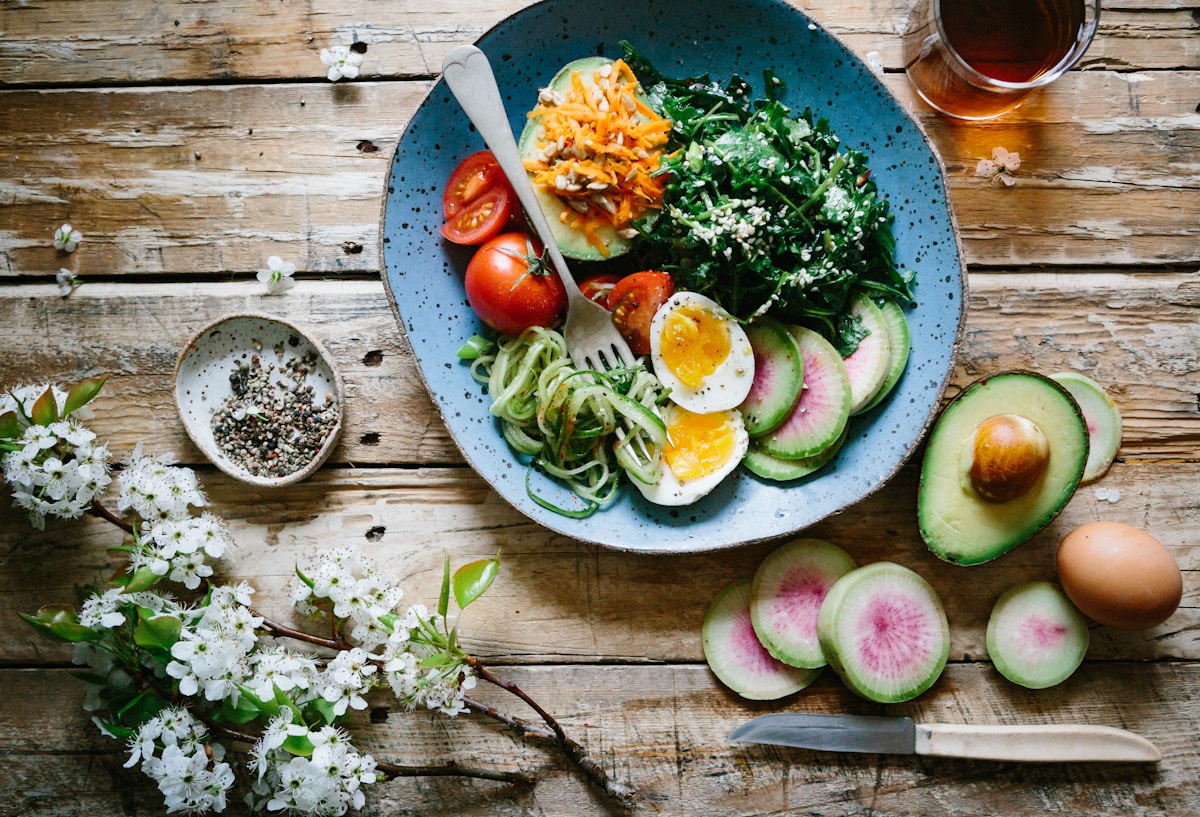
Why Protein Snacks Help Between Meals
Protein is one of the three main nutrients, alongside carbohydrates and fat. Many nutrition sources, including the Harvard Nutrition Source, describe protein as important for building and repairing tissue and as a satisfying part of a balanced diet. Research also suggests protein can help people feel full after eating, which is one reason it features in many sensible snack plans.
That does not mean more is always better. Most healthy adults do well getting protein spread across the day from a mix of foods, and a snack is simply a handy place to add some. If you have a kidney condition or any other medical concern, or you take medication that affects your diet, talk to a doctor or registered dietitian before changing how much protein you eat.
For energy, think of a snack as a small bridge between meals. Aim for roughly 10 to 20 grams of protein where practical, and combine it with fruit, vegetables or whole grains for fibre. If you want a broader list of options, our complete guide to high protein foods is a good companion to this article.
How to Choose a Good No-Cooking Protein Snack
Not every snack marketed as high in protein is a great choice. A few quick checks make shopping much easier, especially when you are new to reading labels:
- Check protein per serving: many packaged snacks land somewhere between 5 and 20 grams, so compare labels before you buy.
- Watch added sugar: flavoured yogurts, bars and shakes can contain quite a lot, which can cancel out the benefit.
- Add fibre: fruit, vegetables, nuts or whole grains slow digestion and add volume to a small snack.
- Think portability: pouches, sticks and single-serve cups travel well in a bag or desk drawer.
- Keep it affordable: plain yogurt, canned fish and eggs usually cost less than branded bars.
Once you know what to look for, the options below are simple to mix, match and rotate so you never get bored.
15 High Protein Snacks With No Cooking
Protein amounts below are rough ranges, because brands, sizes and preparation differ. Use them as a guide and check the packaging for exact numbers.
1. Plain Greek Yogurt With Berries
A single-serve cup of plain Greek yogurt often supplies somewhere around 15 to 20 grams of protein, depending on the brand and size. Choose plain rather than flavoured to keep added sugar low, then stir in fresh or frozen berries for sweetness and fibre. A small sprinkle of nuts on top adds crunch and healthy fat.
2. Cottage Cheese With Fruit or Tomatoes
Half a cup of cottage cheese typically offers roughly 12 to 14 grams of protein. It works sweet with pineapple or peaches and savoury with cherry tomatoes, cucumber and black pepper. If you watch your sodium intake, compare brands, because salt levels can differ quite a bit.
3. Ready-to-Eat Hard-Boiled Eggs
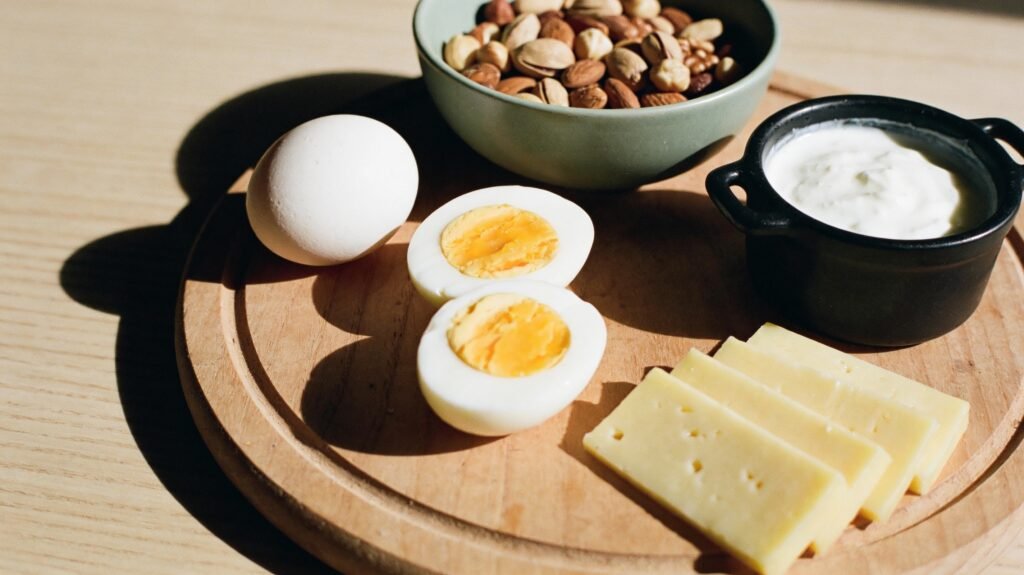
Many supermarkets sell peeled, ready-to-eat hard-boiled eggs, so there is nothing to cook at home. One egg usually gives around 6 grams of protein. Sprinkle with pepper or a pinch of paprika, and pair with a piece of fruit or whole-grain crackers for a more filling snack.
4. String Cheese or Cheese Cubes
A cheese stick is portable, mess-free and generally provides about 6 to 7 grams of protein. Pair it with an apple, grapes or whole-grain crackers to add fibre. Cheese is energy-dense, so one or two portions is usually plenty for a snack.
5. Tuna or Salmon Pouches
Foil pouches of tuna or salmon need only a fork, and many contain roughly 15 to 20 grams of protein. Eat them with whole-grain crackers, on cucumber slices or mixed with a little yogurt. Some people are advised to limit certain types of fish, so check local health guidance if that applies to you.
6. Turkey or Chicken Roll-Ups
Wrap sliced deli turkey or chicken around a cheese stick, a cucumber spear or a smear of hummus. A few slices typically give around 10 grams of protein. Processed meats can be high in sodium, so look for lower-sodium versions and enjoy them as part of a varied diet.
7. Beef or Turkey Jerky
Jerky is shelf-stable and travels anywhere, and an ounce often provides about 9 to 12 grams of protein. The trade-off is that it can be high in sodium and sometimes in added sugar. Read labels, choose simpler ingredient lists, and pair it with fruit to balance things out.
8. Ready-to-Eat Edamame
Pre-cooked, shelled edamame is sold in the refrigerated or frozen section and needs no cooking before eating once thawed. A half-cup serving usually has roughly 8 to 9 grams of protein plus fibre. It is a handy plant-based option; toss it with a squeeze of lemon and a little sea salt.
9. Almonds and Other Nuts
A small handful, about an ounce, offers roughly 6 grams of protein from almonds, along with healthy fats and fibre. Because nuts are calorie-dense, measure a portion into a small container instead of eating from the bag. Unsalted or lightly salted varieties are a good default.
10. Pumpkin Seeds
Pumpkin seeds, also called pepitas, give around 8 grams of protein per ounce and contain minerals such as magnesium. Sprinkle them over yogurt or eat them straight from a small bag. Look for plain or lightly salted options rather than heavily flavoured ones.
11. Peanut Butter on Apple Slices
Two tablespoons of peanut butter commonly provide around 7 grams of protein. Spread it on apple slices or celery for a sweet, crunchy snack with fibre. Choose a spread with a short ingredient list, ideally peanuts and a little salt, and keep portions in check.
12. Roasted Chickpeas
Ready-made roasted chickpeas are crunchy, shelf-stable and typically offer around 5 to 7 grams of protein per quarter cup. They make a good swap for chips. Compare brands for sodium and added oils, or buy plain canned chickpeas, rinse them well and season with spices.
13. Hummus With Raw Vegetables
Hummus gives a modest amount of protein, often around 3 to 5 grams per quarter cup, but served with carrot sticks, bell pepper and cucumber it becomes a fibre-rich snack. Add whole-grain pita or a few nuts if you want a bit more staying power.
14. Ready-to-Drink Protein Shake
Shelf-stable protein shakes can supply roughly 15 to 30 grams of protein in a single bottle, which makes them useful after a workout or on a hectic day. Check the label for added sugar and ingredients you do not recognise, and treat them as a convenience option rather than a daily must.
15. Cheese and Whole-Grain Crackers With Fruit
Combining a protein source with whole-grain carbohydrates and fruit is a reliable formula. A few slices of cheese on high-fibre crackers with a pear or some grapes gives you protein, fibre and natural sweetness. Keep portions modest, and look for crackers with whole grain listed first.
Easy Snack Combos to Mix and Match
You do not have to eat these foods on their own. Combining them keeps snacks interesting and nutritionally balanced. Here are five combinations that need nothing more than a knife and a container:
- Greek yogurt, pumpkin seeds and berries
- A tuna pouch with cucumber slices and whole-grain crackers
- Hummus, carrot sticks and a cheese stick
- Peanut butter, apple slices and a few almonds
- Cottage cheese, cherry tomatoes and black pepper
Rotate your choices through the week so you get a wider range of nutrients, and so you are less likely to get tired of any single snack.
Tips for Keeping Protein Snacks Ready
A little planning makes it much easier to reach for a protein snack instead of whatever the vending machine offers. Try these simple habits:
- Portion nuts, seeds and roasted chickpeas into small containers once a week.
- Keep two or three pouches or cans of fish in your desk or bag.
- Buy yogurt and cottage cheese in single-serve cups for grab-and-go convenience.
- Store peeled hard-boiled eggs in the fridge and eat them within the date on the pack.
- Wash and chop vegetables once so they are ready for dipping.
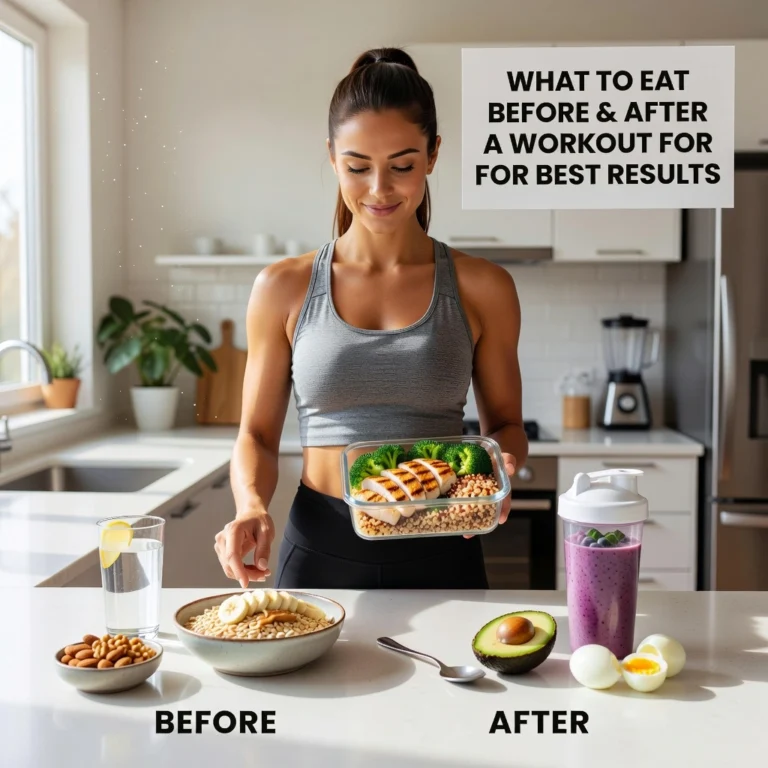
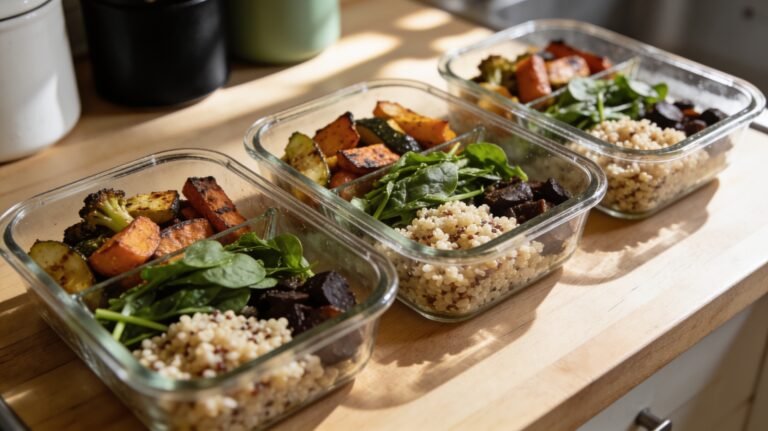
If you like to organise ahead, our beginner meal prep guide and high protein meal prep ideas show how to plan a whole week. For workday inspiration, see these healthy lunch ideas for work, and for snack timing around exercise, read what to eat before and after a workout.
Frequently Asked Questions
How much protein should a snack have?
There is no single rule, but many people aim for roughly 10 to 20 grams of protein in a snack, depending on appetite, body size and activity level. Pairing it with fibre from fruit, vegetables or whole grains helps it feel more satisfying. If you have specific health needs, a registered dietitian can suggest a target that suits you.
Are protein bars a good no-cooking snack?
They can be convenient, but quality varies a lot. Some bars are closer to candy, with plenty of added sugar, while others are built around nuts, seeds and a modest amount of protein. Read the label, compare protein against sugar, and treat bars as a backup for busy days rather than your everyday default.
Can I eat these snacks if I want to lose weight?
Many of them fit well into a weight management plan because protein and fibre can help you feel full. Portions still matter, especially with nuts, nut butter and cheese, which are energy-dense. Aim for sensible servings, and consider speaking with a healthcare professional if you are following a specific plan or have a medical condition.
What are good vegan no-cooking high protein snacks?
Good plant-based options include edamame, roasted chickpeas, hummus with vegetables, peanut butter on apple slices, pumpkin seeds and almonds. Soy yogurt and ready-to-drink plant protein shakes can also work. Because protein content differs between brands, check the nutrition label to see how each choice fits into your day.
The Bottom Line
You do not need a kitchen to eat well between meals. Keep a few of these high protein snacks no cooking required within reach, pair them with fibre-rich foods, and read labels for sugar and sodium. For more general guidance on balanced eating, the NHS Eat Well guide is a reliable place to start.
This article is for general education and is not medical or nutritional advice. If you have a health condition, allergies or take medication, check with a healthcare professional before changing your diet.